
Category: Medications - Page 3
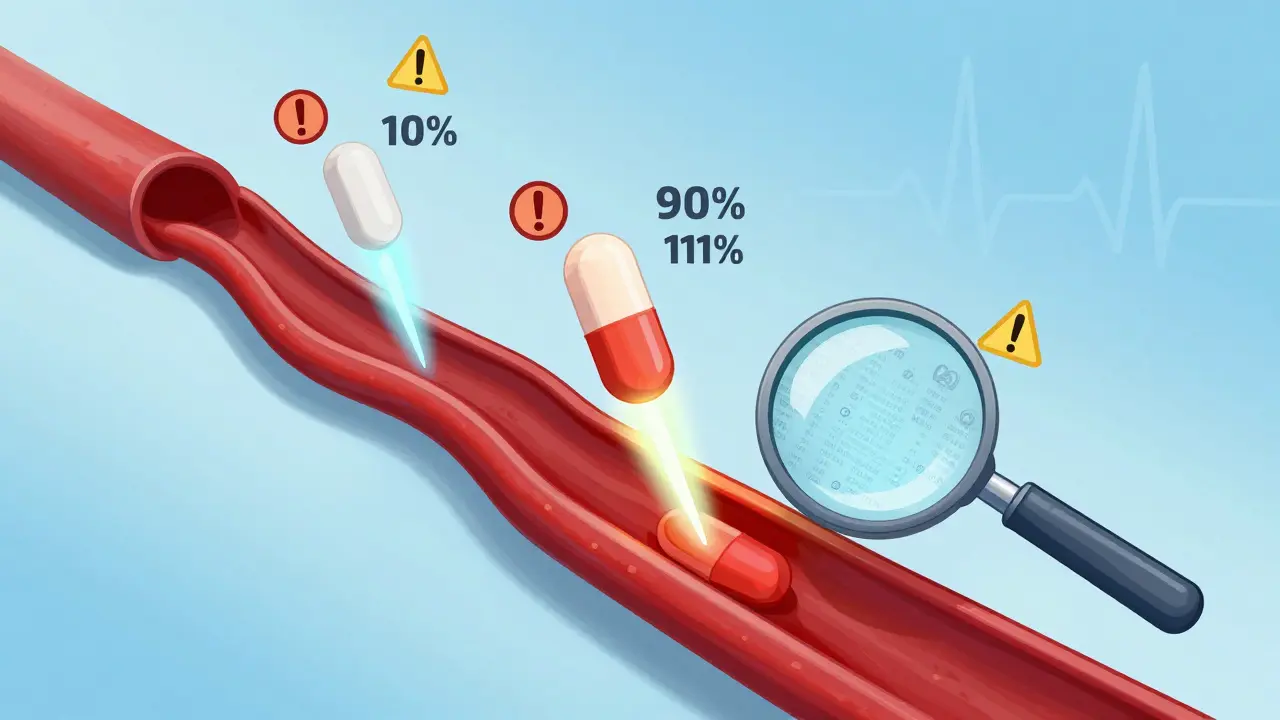
FDA Bioequivalence Standards for NTI Drugs: Special Requirements Explained
The FDA applies strict bioequivalence rules to narrow therapeutic index (NTI) drugs like warfarin and phenytoin, requiring tighter limits (90-111%) and lower variability than standard generics to ensure safety and efficacy.
Read more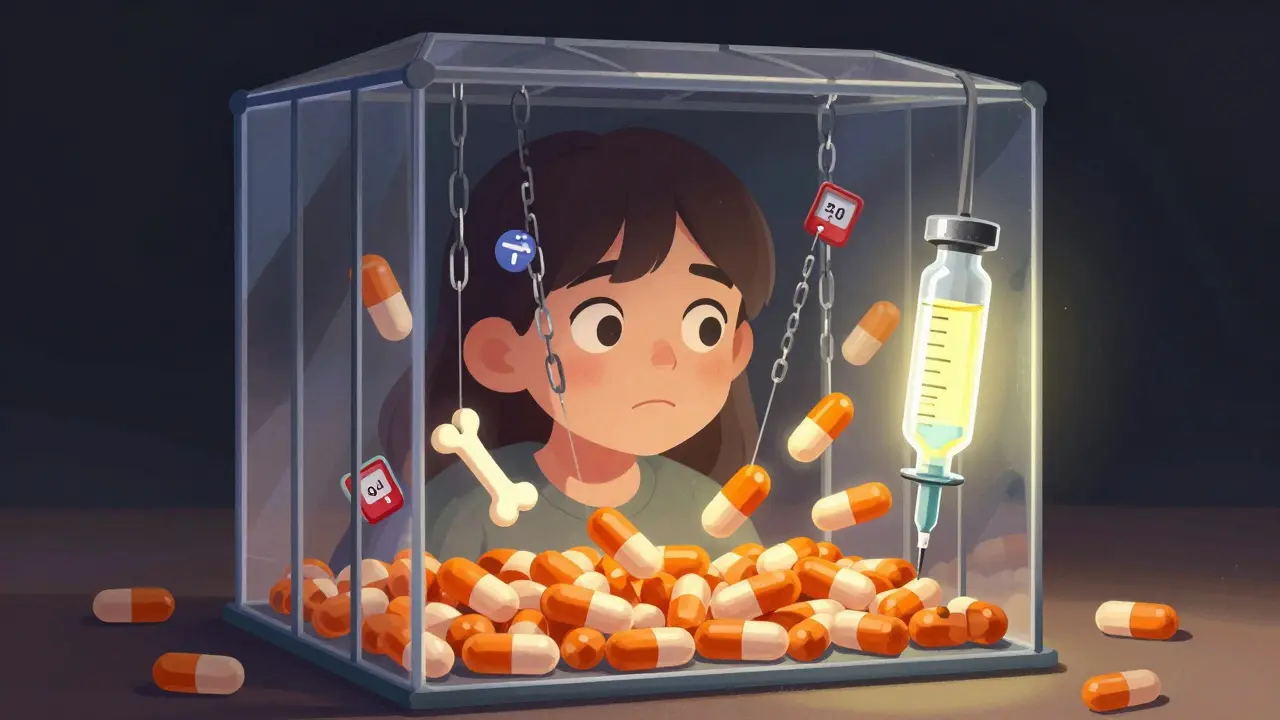
Oral Corticosteroid Burden in Severe Asthma: Proven Alternatives That Work
Oral corticosteroids help control severe asthma but come with dangerous long-term side effects. Learn about proven alternatives like biologics that reduce steroid dependence, lower hospitalizations, and improve quality of life.
Read more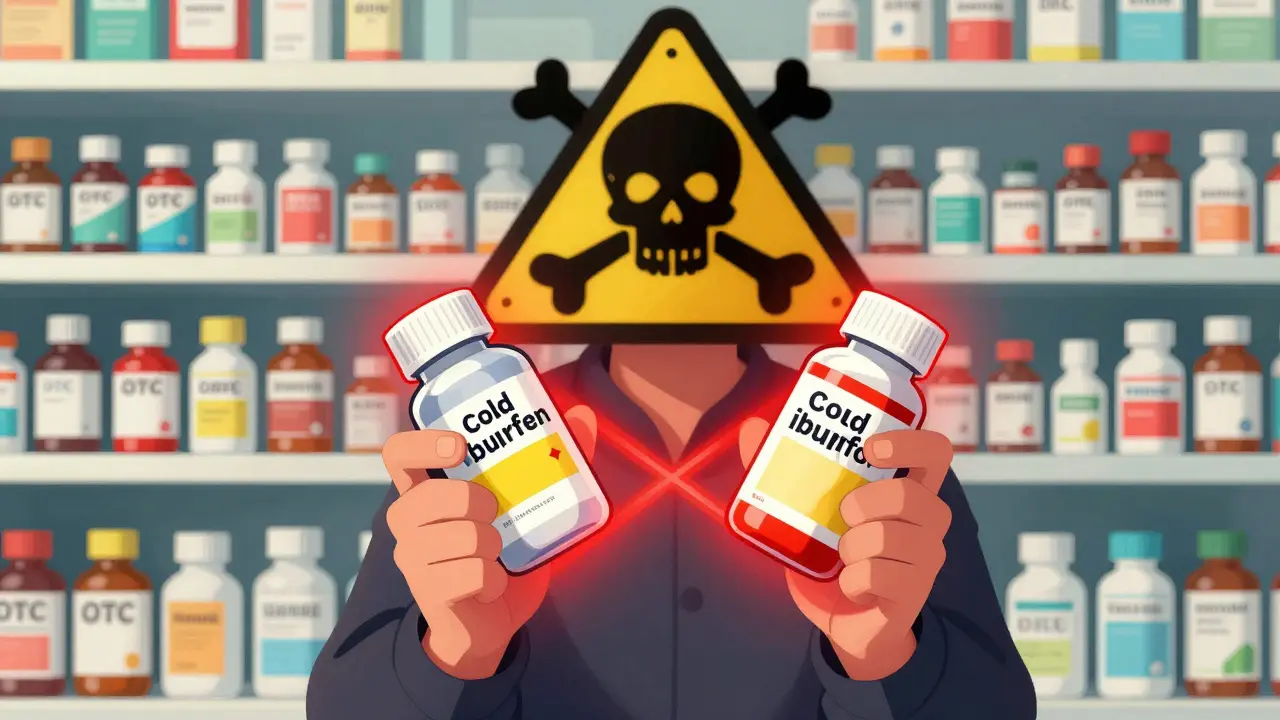
OTC to Prescription Switches: Safety Tips for Consumers Using Medications Without a Doctor
OTC switches make medications easier to access, but they also increase risks like drug interactions, misdiagnosis, and overdose. Learn how to use them safely, especially if you're over 65 or on multiple prescriptions.
Read more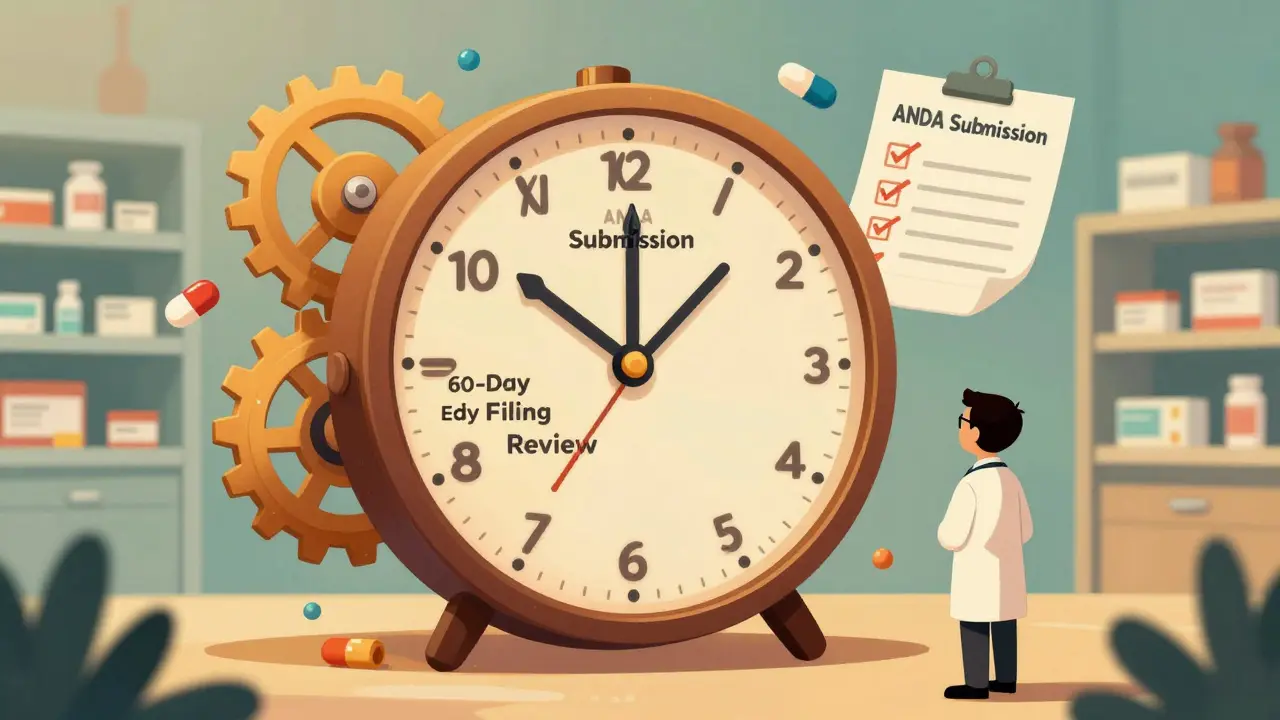
How Long Does the FDA Take to Approve Generic Drugs? 2025 Timelines Explained
Discover how long the FDA takes to approve generic drugs in 2025, from standard 10-month reviews to fast-tracked 1-2 month approvals for critical medications. Learn what affects approval time and why it matters for your health.
Read more
Antihistamine Allergies and Cross-Reactivity: What to Watch For
Some people develop allergic reactions to antihistamines instead of relief - a rare but real condition called paradoxical hypersensitivity. Learn why this happens, which drugs are most likely to trigger it, and what to do if your allergy meds make things worse.
Read more
Opioid Therapy: When It’s Appropriate and How to Avoid Dependence
Opioid therapy can help with severe pain but carries serious risks of dependence and overdose. Learn when it's appropriate, how to reduce risks, and what alternatives exist under current medical guidelines.
Read more
Diuretics: Understanding Electrolyte Changes and Dangerous Drug Interactions
Diuretics help manage fluid buildup and high blood pressure, but they can cause dangerous electrolyte imbalances and deadly drug interactions. Learn how different types affect potassium, sodium, and kidney function - and what to watch for.
Read more
Why Women Experience More Medication Side Effects Than Men
Women are nearly twice as likely as men to have bad reactions to medications due to biological differences and outdated dosing based on male-only trials. Learn why and what you can do.
Read more
Facial Flushing from Medications: Common Triggers and How to Find Relief
Facial flushing from medications is a common side effect caused by blood vessel dilation. Learn which drugs trigger it - from niacin to blood pressure meds - and how to reduce or stop the redness safely.
Read more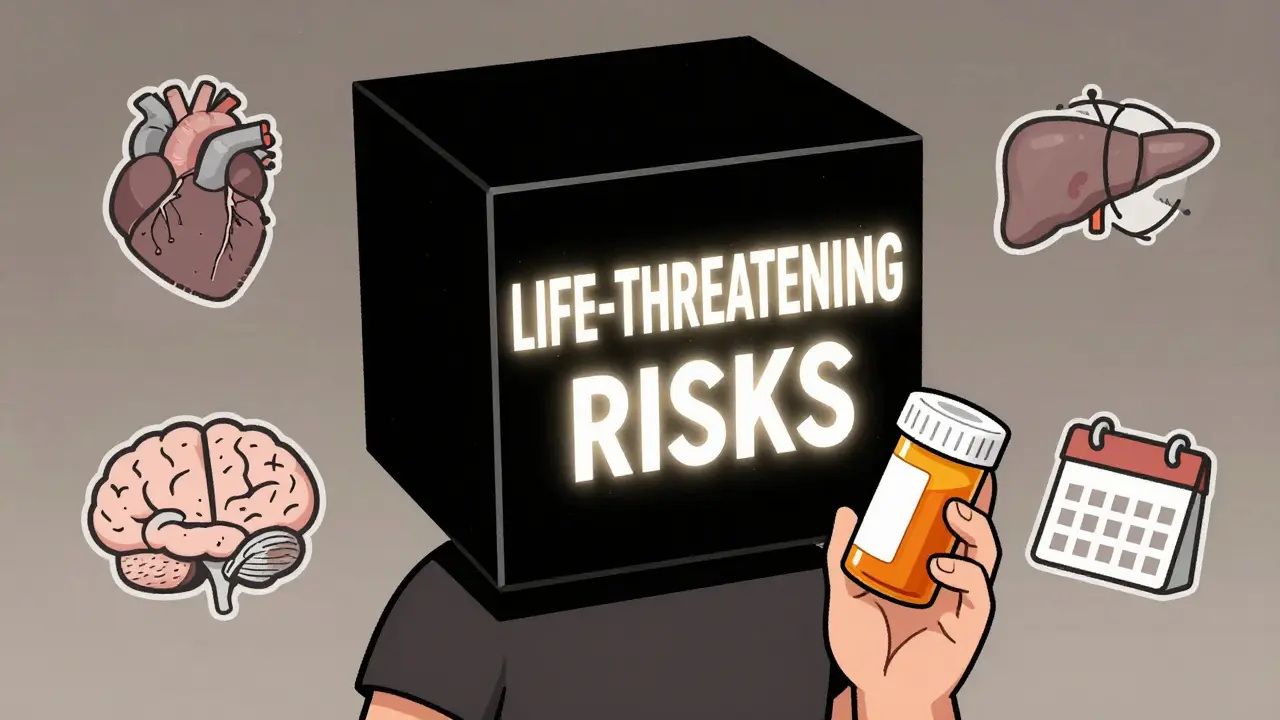
FDA Boxed Warnings Explained: What You Need to Know Before Taking High-Risk Medications
Boxed warnings on prescription drugs signal serious risks - but they don't mean avoid treatment. Learn what they mean, which drugs carry them, and how to talk to your doctor to stay safe.
Read more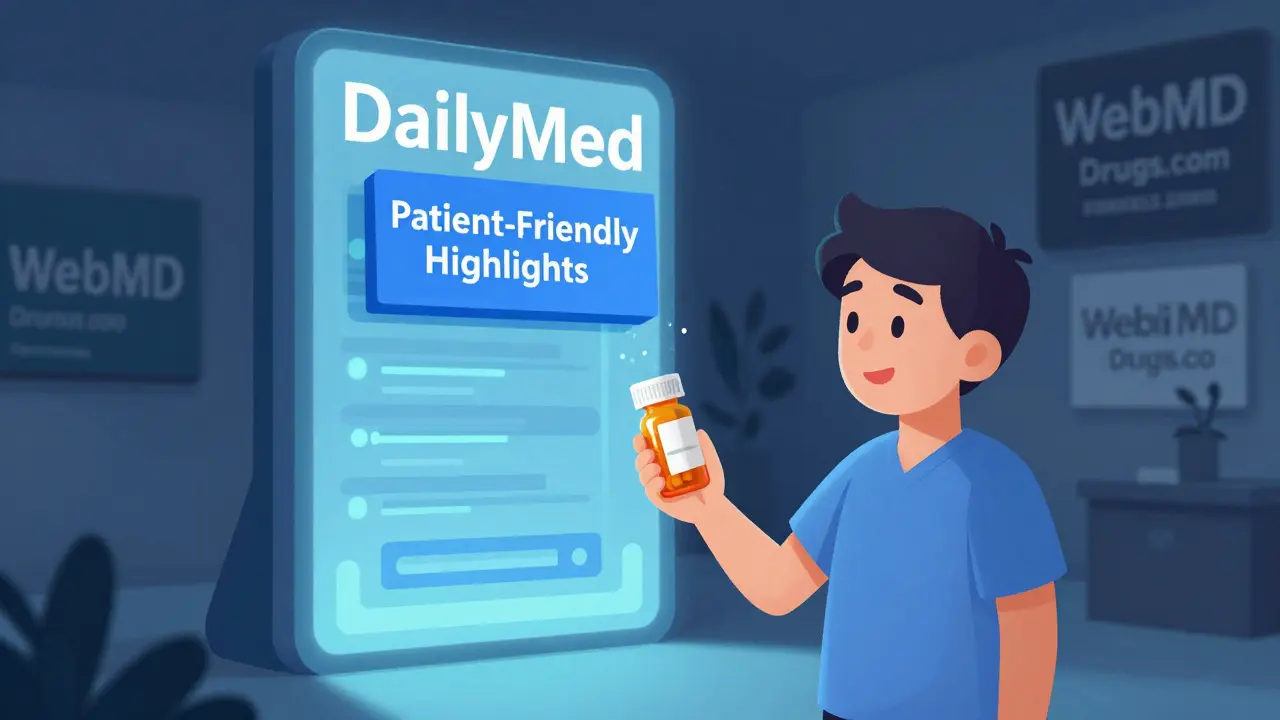
Best Online Drug Databases and Resources for Patients
Discover the most reliable, free online drug databases for patients-DailyMed, LactMed, and DrugBank-backed by the U.S. government and trusted by doctors. Learn how to use them safely and avoid misleading commercial sites.
Read more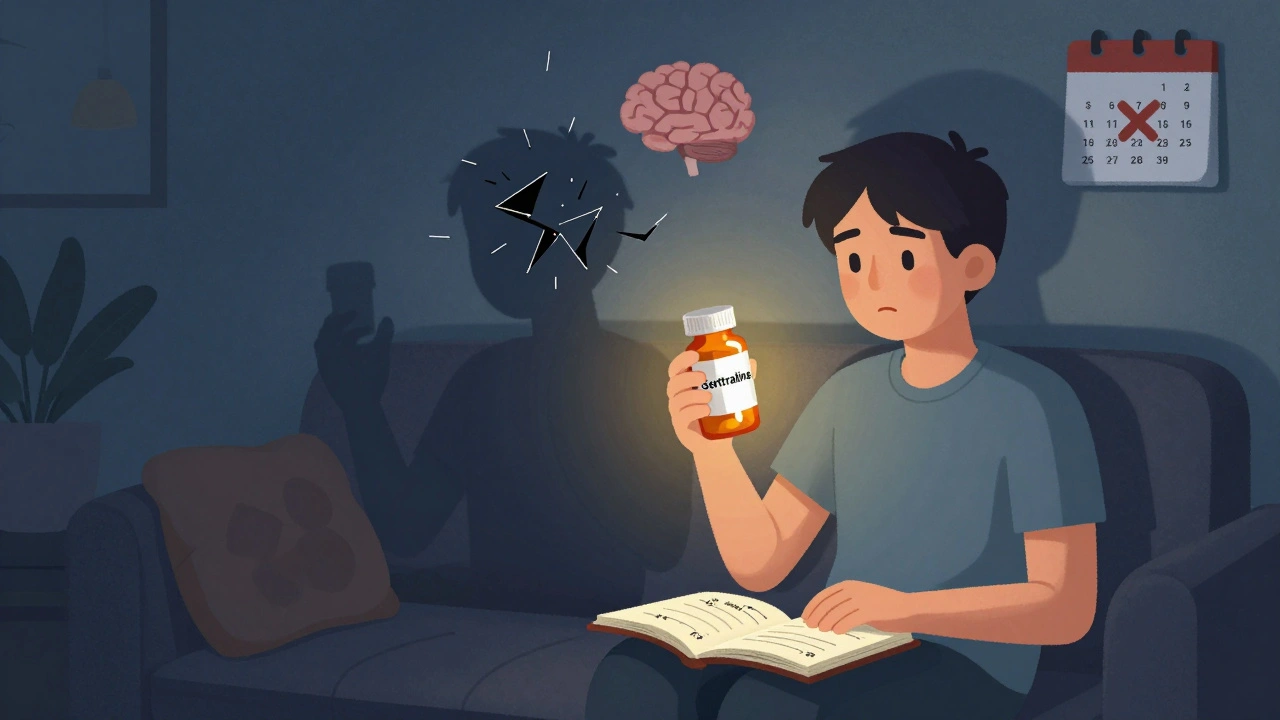
Medication Switching: How Changing Psychiatric Drugs Affects Your Mind
Changing psychiatric medications can trigger emotional, cognitive, and psychological side effects far beyond physical withdrawal. Learn why switching meds-even to generics-can destabilize your mental health and how to do it safely.
Read more