
PharmaInsight - Page 6
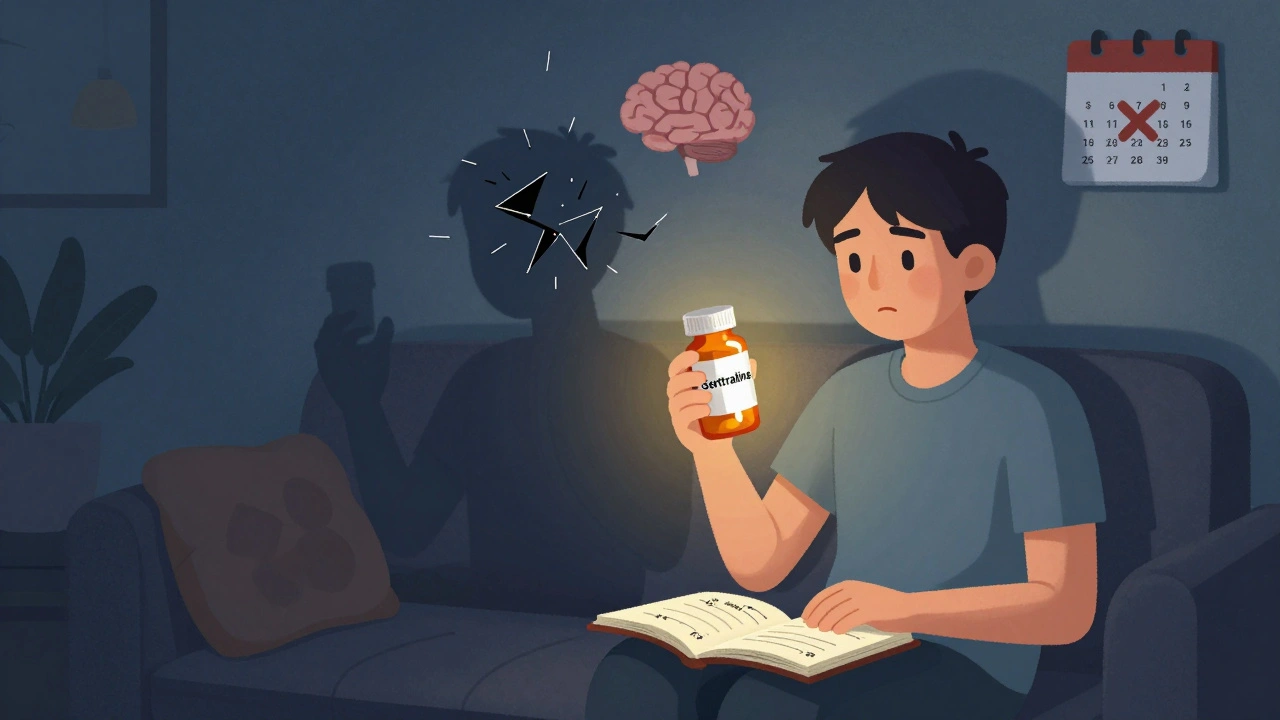
Medication Switching: How Changing Psychiatric Drugs Affects Your Mind
Changing psychiatric medications can trigger emotional, cognitive, and psychological side effects far beyond physical withdrawal. Learn why switching meds-even to generics-can destabilize your mental health and how to do it safely.
Read more
Mandatory Substitution Worldwide: How Legal Frameworks Differ Across Countries
Mandatory substitution laws force replacements in finance, mental health, and environmental policy - but rules vary wildly by country. Learn how the EU, U.S., Canada, and others handle it differently - and why it matters.
Read more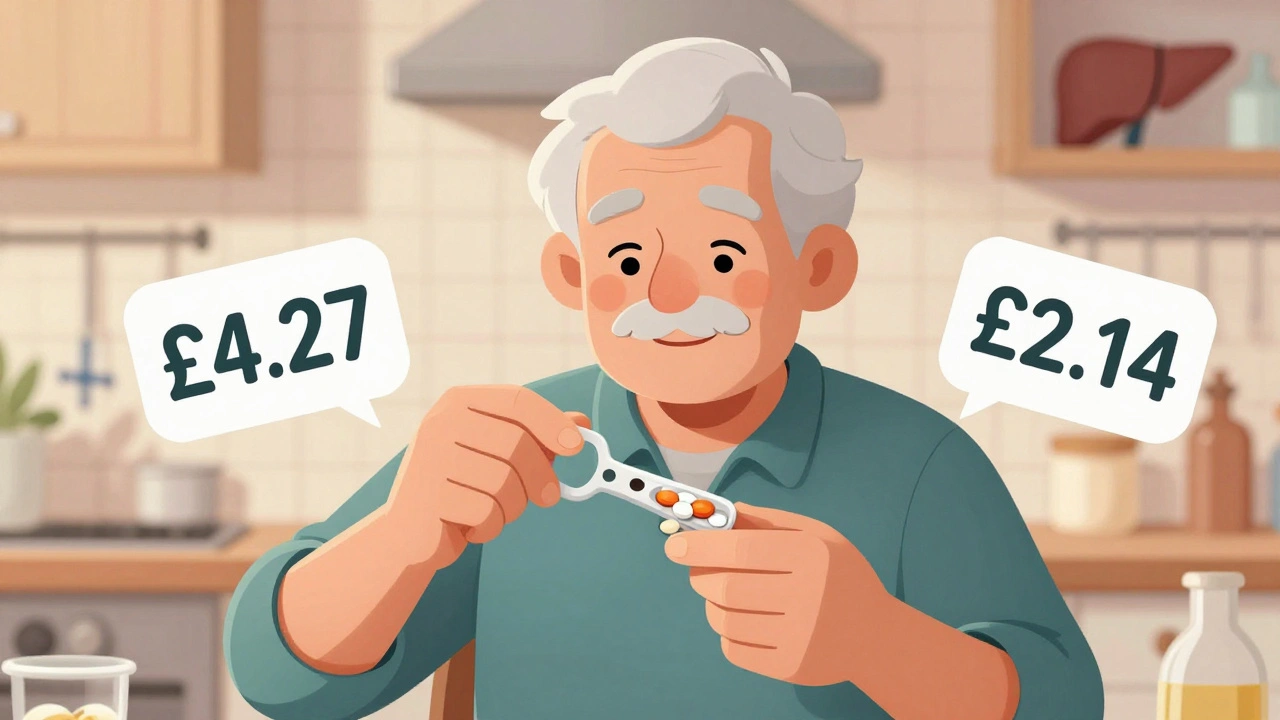
How to Split Pills Safely to Reduce Medication Costs
Pill splitting can save up to 50% on medication costs-but only if done safely. Learn which pills you can split, the right tools to use, and which ones are too dangerous to cut. Avoid costly mistakes and protect your health.
Read more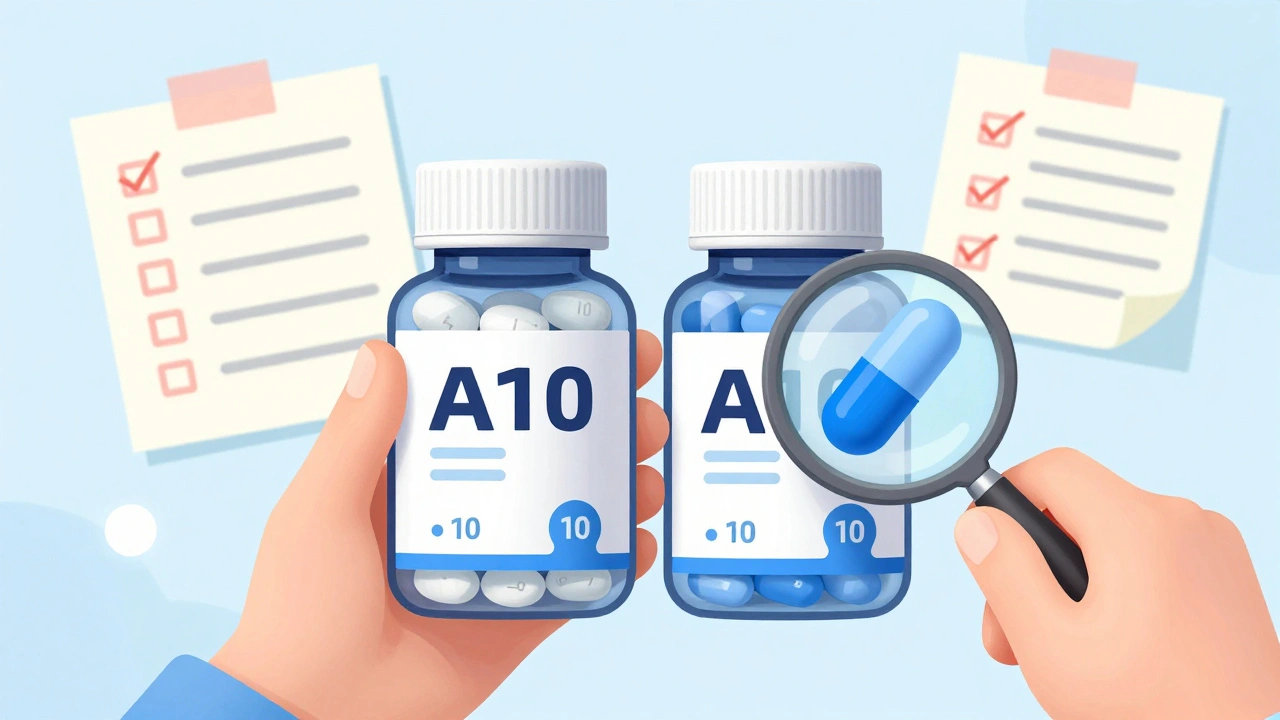
How to Compare New Prescription Labels with Your Old Medication for Safety
Learn how to safely compare new prescription labels with old ones to avoid medication errors. Check the active ingredient, dosage, manufacturer, and pill appearance every time you refill.
Read more
How to Keep Time-Sensitive Medications on Schedule When Flying
Learn how to manage time-sensitive medications like insulin, warfarin, and anti-seizure drugs when flying across time zones. Avoid dangerous dosing errors with expert tips, tools, and real-world strategies.
Read more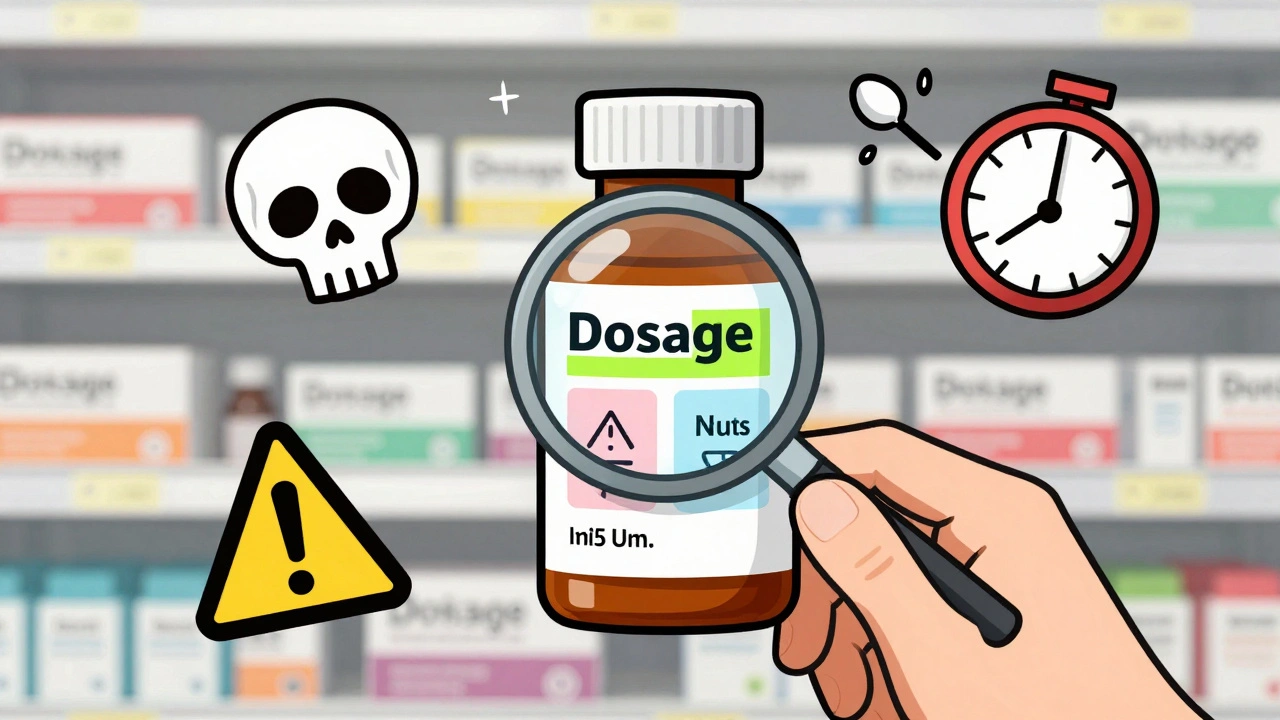
How to Read Medication Labels: Dosage, Directions, and Safety Tips
Learn how to read medication labels correctly to avoid dangerous mistakes. Understand dosage, directions, warnings, and expiration dates for safer medicine use.
Read more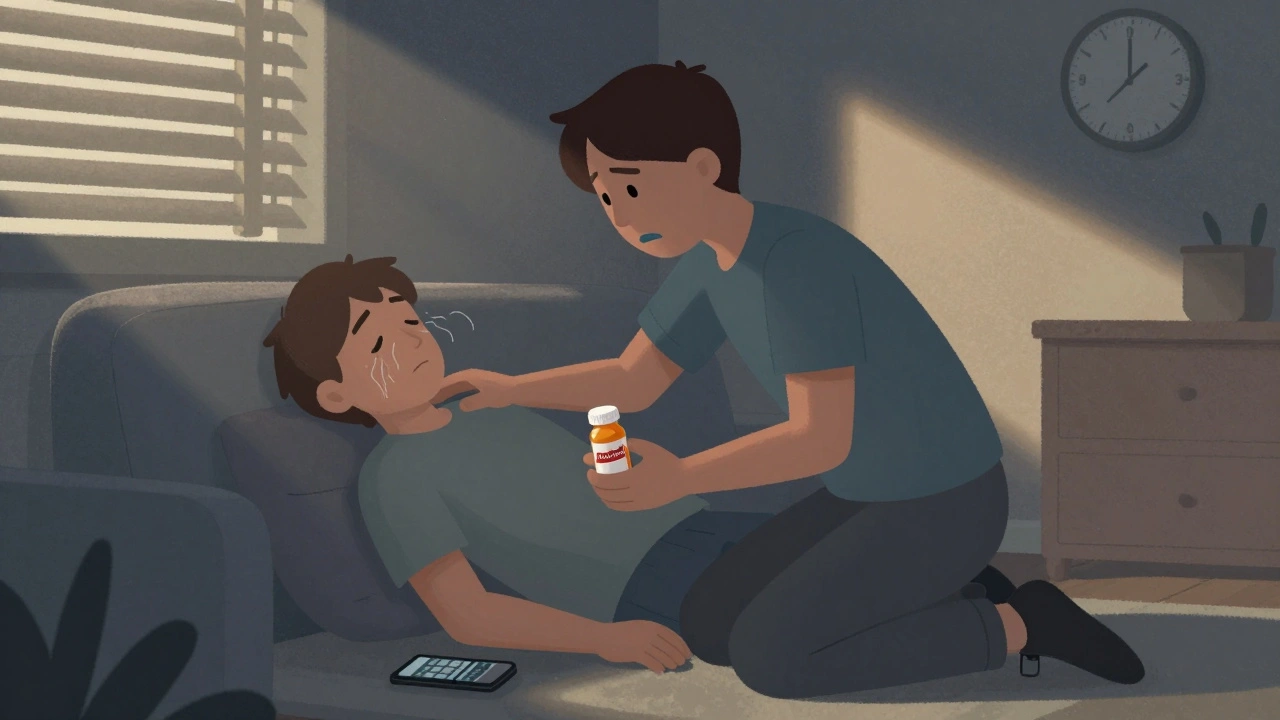
How to Recognize Overdose from Sedatives and Sleep Medications
Learn the critical signs of sedative and sleep medication overdose-unresponsiveness, slow breathing, blue lips, and loss of coordination. Know what to do before it's too late.
Read more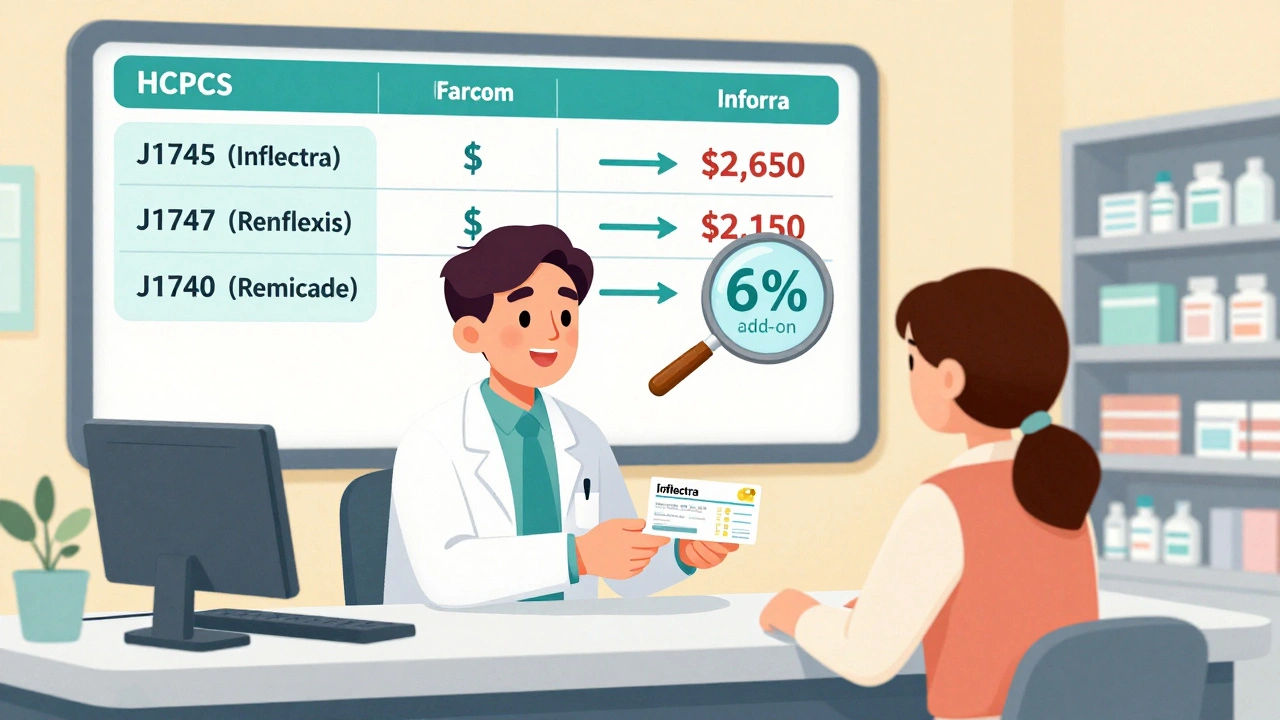
Reimbursement and Coding for Biosimilars: How Billing Works Under Medicare Part B
Learn how biosimilars are billed under Medicare Part B, including HCPCS coding, reimbursement calculations, the JZ modifier, and why adoption remains low despite cost savings. Understand the system providers use and how it affects patient access.
Read more
Penicillin Desensitization: Safe, Proven Methods for Allergic Patients Who Need It
Penicillin desensitization safely allows allergic patients to receive essential penicillin therapy when no alternatives work. Learn how it works, who qualifies, and why it’s critical for fighting antibiotic resistance.
Read more
Caffeine and Medication Safety: What You Need to Know About Dangerous Interactions
Caffeine can interfere with common medications like blood thinners, thyroid drugs, and antidepressants, reducing effectiveness or increasing side effects. Learn which interactions are dangerous and how to stay safe.
Read more
How to Talk to Your Doctor About Staying on a Brand Medication When Generics Are Pushed
Learn how to effectively talk to your doctor about staying on a brand medication when insurers push for generics. Get practical steps, communication tips, and evidence-backed reasons to avoid switching if it affects your health.
Read more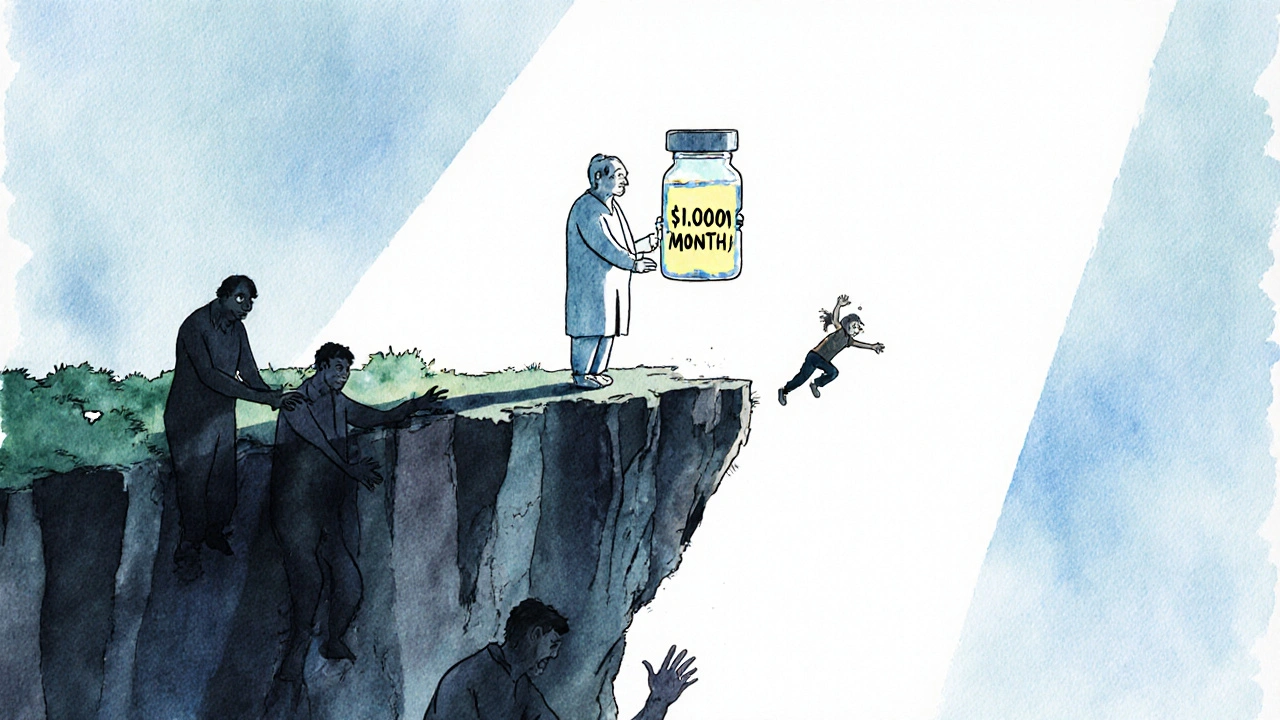
Cost vs Benefit: When Expensive Medications Are Worth the Price Despite Side Effects
Some medications cost tens of thousands - and come with harsh side effects. But for patients with no other options, they’re the only path to survival. Here’s when the price is worth it.
Read more