
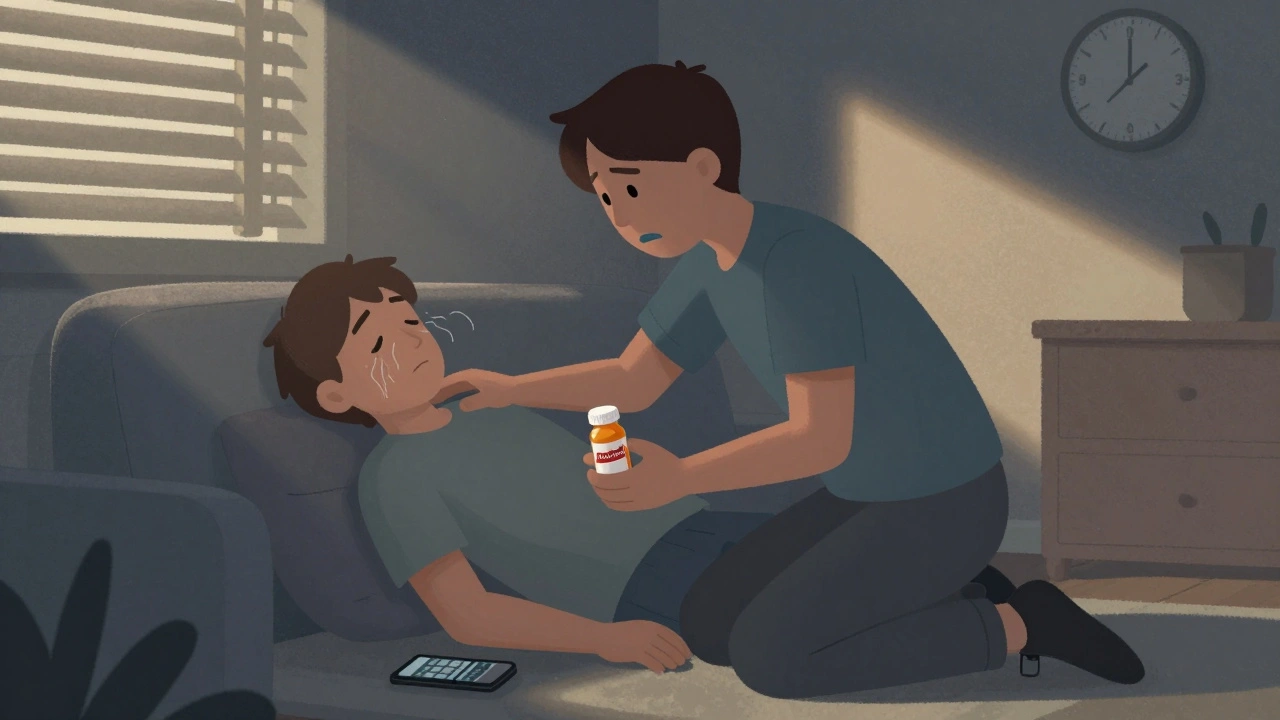
Someone you care about takes a sleeping pill to help them rest. The next morning, they don’t answer your calls. You knock on their door. No response. You find them slumped on the couch, breathing slowly, lips slightly blue. You think, They’re just really tired. But that’s not tiredness. That’s an overdose. And every minute counts.
What Happens When Sedatives Overdose?
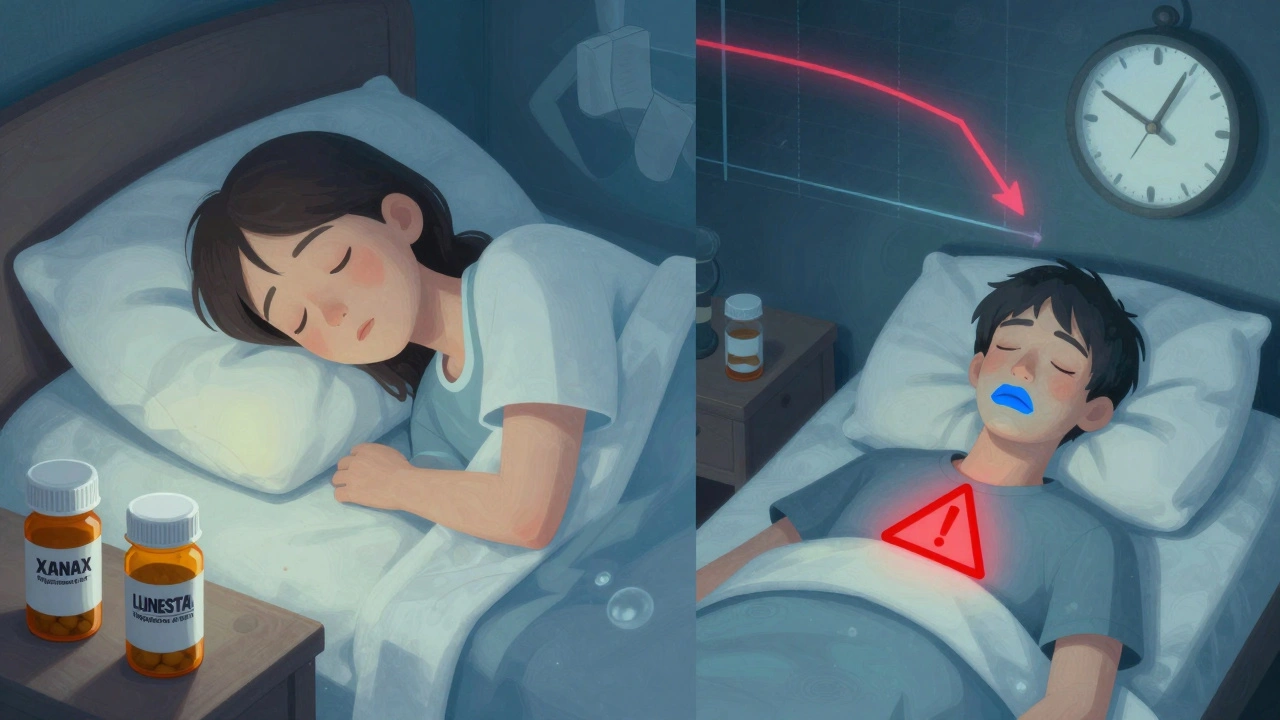
Sedatives and sleep medications work by slowing down your brain and nervous system. That’s how they help you fall asleep. But when too much enters your body, they don’t just slow you down-they shut you down. This isn’t a myth. It’s a medical reality backed by data from the CDC and the National Institute on Drug Abuse.In 2021 alone, over 12,500 people in the U.S. died from overdoses involving benzodiazepines like Xanax or sleep drugs like Ambien. These numbers have more than doubled since 2010. What’s worse? Many of these deaths happen because no one recognizes the signs until it’s too late.
Sedatives include prescription drugs like zolpidem (Ambien), eszopiclone (Lunesta), temazepam (Restoril), and benzodiazepines like diazepam (Valium) or alprazolam (Xanax). They also include older drugs like barbiturates and even some over-the-counter sleep aids with diphenhydramine (like Tylenol PM or Benadryl). All of them can cause overdose if taken in excess, especially when mixed with alcohol or opioids.
The Warning Signs: What to Look For
Recognizing an overdose isn’t about guessing. It’s about spotting a clear pattern of symptoms. Here’s what to watch for, step by step.1. Unresponsiveness
Can you wake them up? Shout their name. Shake their shoulder. Try a sternal rub-firm pressure on the center of their chest. If they don’t open their eyes, move, or respond at all, that’s a red flag. Normal sleep doesn’t mean you can’t rouse someone. If they’re completely unresponsive, it’s not sleep. It’s depression of the central nervous system.
2. Slowed or Shallow Breathing
Count their breaths for 30 seconds. Normal breathing is 12 to 20 breaths per minute. If they’re taking fewer than 8 breaths per minute, they’re in danger. If they’re taking less than one breath every 5 seconds, they’re not getting enough oxygen. Their chest may rise barely at all. This is the most dangerous sign. Respiratory failure causes 92% of deaths in pure sedative overdoses.
3. Bluish Lips or Fingertips
Cyanosis means your body isn’t getting enough oxygen. Look closely at their lips, nail beds, and fingertips. If they look gray, purple, or blue, it’s a sign of severe oxygen deprivation. This often comes after breathing slows down. It’s not subtle. It’s visible.
4. Slurred Speech or Incoherence
They might mumble, speak slowly, or say things that don’t make sense. They can’t follow simple instructions. This isn’t drunkenness-it’s neurological shutdown. Studies show 87% of benzodiazepine overdose cases involve slurred speech.
5. Loss of Coordination
They can’t stand up. They stumble. Their hands shake or can’t hold a cup. This is called ataxia. It’s not just being clumsy. It’s your brain losing control over muscle movement. The Cleveland Clinic describes this as “drunken-like” behavior-even if they haven’t had alcohol.
6. Cold, Clammy Skin and Low Body Temperature
Their skin may feel cold and damp. Their body temperature drops below 95°F (35°C). This is hypothermia caused by slowed metabolism. It’s a sign the body is shutting down.
7. Vomiting or Nausea
About 63% of overdose cases involve nausea. Vomiting happens in 41%. If they’re unconscious and vomiting, they’re at risk of choking. Never leave them lying flat. Turn them on their side.
8. Coma
If they’re completely unresponsive, not reacting to pain, and breathing very shallowly, they’re likely in a coma. A Glasgow Coma Scale score below 8 means they’re in a life-threatening state. This is not a sleepover. This is an emergency.
Different Drugs, Different Risks
Not all sedatives act the same. Knowing the difference can help you understand how serious it is.Benzodiazepines and Z-drugs (Ambien, Xanax, Lunesta)
These are the most common today. They cause deep sedation but often leave heart rate and blood pressure relatively stable until the very end. That’s deceptive. People think, “Their pulse is okay, so they’re fine.” But breathing can stop before their heart does. Isolated overdoses on these drugs are less likely to be fatal-but when mixed with alcohol or opioids, the risk skyrockets.
Barbiturates (phenobarbital, secobarbital)
These are older, rarely prescribed now, but still found in some homes. They’re far more dangerous. Even a small overdose can cause rapid respiratory arrest. They depress breathing more deeply and quickly than benzodiazepines.
Over-the-Counter Sleep Aids (diphenhydramine)
Drugs like Benadryl or Tylenol PM can be deadly in large doses. Symptoms include extreme drowsiness, dry mouth, urinary retention, and sometimes hallucinations or seizures. It’s easy to underestimate these because they’re sold without a prescription. But taking 10 or 20 pills? That’s poison.
Melatonin
This is the exception. Even at very high doses-like 240 mg (60 times the normal dose)-it rarely causes breathing problems. The worst you’ll see is headache, dizziness, or nausea. It’s not life-threatening like prescription sedatives.
Why People Miss the Signs
Most overdoses happen at home. A friend, partner, or family member finds the person asleep. They think, “They’re just exhausted.”A 2022 study of 1,247 overdose cases found that 68% of bystanders waited to call 911 because they thought the person was just sleeping. The average delay? 47 minutes. That’s enough time for oxygen levels to drop to fatal levels.
Reddit threads from r/OverdoseHelp are full of stories like:
- “I thought my roommate was just really tired from work.”
- “I assumed the slurred speech was from drinking.”
- “I didn’t want to make a big deal. I thought they’d wake up.”
These aren’t careless people. They’re loving people who didn’t know what to look for. That’s why education matters.
What to Do Right Now
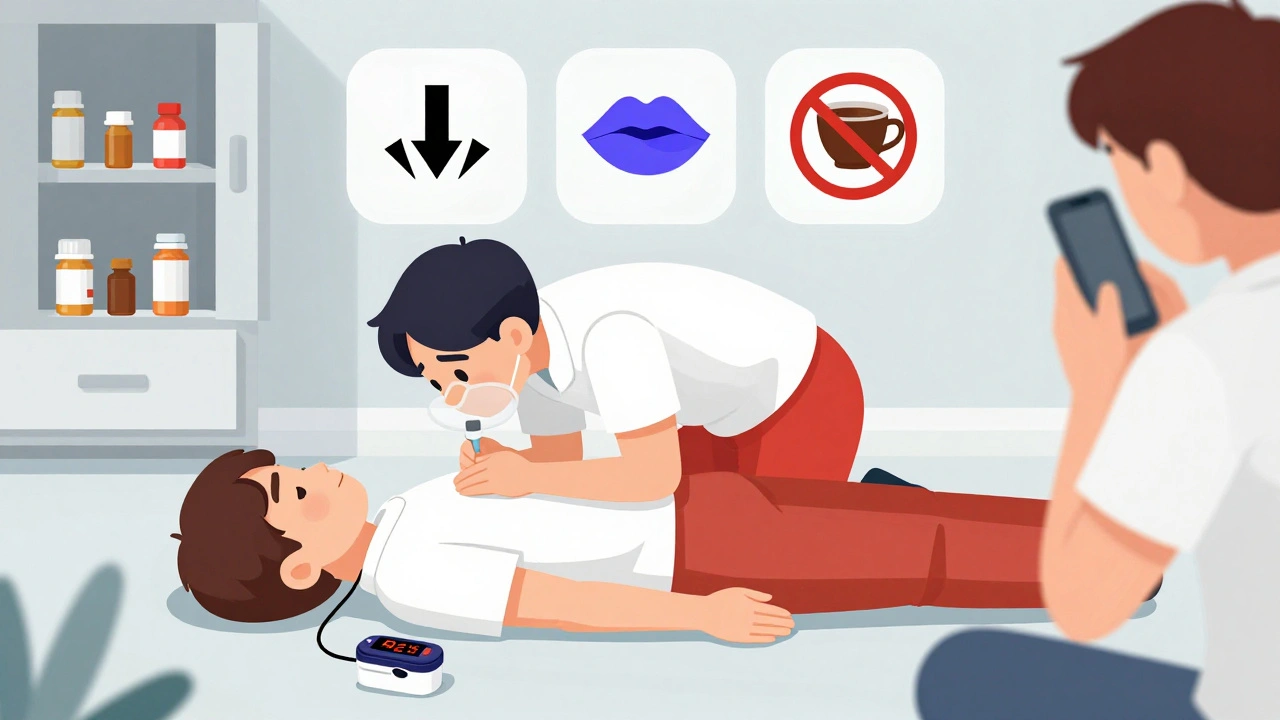
If you suspect an overdose, don’t wait. Don’t try to “wake them up” with cold water or coffee. Don’t assume they’ll be fine in the morning.Step 1: Check Responsiveness
Shout their name. Shake their shoulders. Try a sternal rub. If no response, move to step two.
Step 2: Check Breathing
Look at their chest. Count breaths for 30 seconds. Multiply by two. If it’s less than 12 breaths per minute, call emergency services immediately. If it’s less than 8, or if breathing is irregular or shallow, start rescue breathing now.
Step 3: Call Emergency Services
Dial 999 (UK) or 911 (US). Say: “I think someone has overdosed on sleeping pills.” Tell them if you know the drug name, how much was taken, and if alcohol or other drugs were involved.
Step 4: Start Rescue Breathing if Needed
If they’re not breathing or breathing very little, begin rescue breaths. Tilt their head back, pinch their nose, give one breath every 5 seconds. Don’t stop until help arrives or they start breathing on their own.
Step 5: Put Them in the Recovery Position
If they’re breathing but unconscious, turn them onto their side. This keeps their airway open and prevents choking if they vomit.
Do NOT give them flumazenil.
This is a drug that reverses benzodiazepine overdose-but it’s dangerous outside a hospital. It can trigger seizures in people who are dependent on these drugs. Leave it to paramedics.
What Makes It Worse
The biggest killer isn’t the sedative alone. It’s what’s mixed with it.Alcohol and sedatives together double the risk of respiratory depression. Opioids? Even worse. In 2021, 23% of benzodiazepine-related overdose deaths also involved fentanyl. That combination is lethal. It’s why so many overdose deaths now involve multiple drugs.
Other risk factors:
- Taking more than prescribed
- Using someone else’s prescription
- Having liver disease (slows drug breakdown)
- Being over 65 (body processes drugs slower)
- Using multiple prescriptions from different doctors
Empty pill bottles, multiple prescriptions, or a history of substance use are big warning signs. Don’t ignore them.
What’s Being Done to Help
New tools are emerging. In 2023, the FDA approved intranasal midazolam for emergency use. Pulse oximeters that monitor oxygen levels continuously are being tested in homes. Some communities are handing out free overdose recognition cards in pharmacies.Emergency rooms are now using screening tools like the 8-item Benzodiazepine Dependence Self-Report Questionnaire to catch at-risk patients before it’s too late. Johns Hopkins research shows that wearable devices detecting early oxygen drops could give 15-20 minutes of warning before full collapse.
But none of this helps if no one notices the signs.
Final Reminder
Sedative overdose doesn’t always look dramatic. It doesn’t always involve screaming or convulsions. Often, it looks like someone is just deeply asleep. That’s the trap. That’s why you need to know the signs.If someone is unresponsive, breathing slowly, or turning blue-call for help immediately. Don’t wait. Don’t hope. Don’t assume. Your action could save a life.
Annie Gardiner
December 7, 2025 AT 10:09Okay but have you ever tried to wake up someone who’s just really, really drunk? Or had a 3am panic attack and took 3 Xanax because ‘I just need to chill’? I’m not saying this isn’t serious-but the line between ‘deep sleep’ and ‘overdose’ is way blurrier than this post makes it sound. People aren’t robots. Bodies don’t follow checklists. I’ve seen friends ‘pass out’ and wake up 8 hours later like nothing happened. And I’ve seen others get rushed to the ER for taking one Ambien with a glass of wine. There’s no universal script here, just a lot of fear and bad advice wrapped in CDC data.
Brooke Evers
December 8, 2025 AT 22:41I just want to say thank you for writing this. Not just because it’s informative, but because it’s the kind of thing that saves lives without screaming at people. I lost my cousin last year-he was 29, took a few Valium because he couldn’t sleep after his mom passed, and no one knew what to look for. We thought he was just ‘sleeping it off.’ I wish I’d known about the blue lips, the breath count, the recovery position. I wish someone had handed me this exact guide. If you’re reading this and you’re scared to talk about it with your family, do it anyway. Don’t wait until it’s too late. I’m still living with the guilt. You don’t have to. This post? It’s a gift. Thank you.
Saketh Sai Rachapudi
December 9, 2025 AT 18:08USA always make everything so dramatic! In India we dont have this problem because people dont take sleeping pills like candy. Also, who the hell mixes alcohol with meds? That’s just dumb. Why do you need a 10 point checklist? Just slap them and if they dont wake up, call ambulance. Simple. No need for all this medical jargon. Also, why are you even writing this in english? Why not in hindi? Or at least make it easier to understand. This is why america is so over-medicalized.
joanne humphreys
December 11, 2025 AT 10:12I appreciate how detailed this is. I work in mental health outreach and we’ve had several cases where families didn’t realize their loved one had taken too much because they were ‘just sleeping.’ The part about the recovery position is critical-so many people don’t know that. I’ve trained volunteers to use the 8-breaths-per-minute rule. It’s not perfect, but it’s better than waiting for someone to turn blue. Also, melatonin being safe is a good reminder. People panic about everything these days, but not all sleep aids are equal. Thanks for clarifying the distinctions.
Shayne Smith
December 13, 2025 AT 06:43My sister took 10 Benadryl once because she was ‘overwhelmed.’ She didn’t die. She woke up confused, dry-mouthed, and apologized for being ‘dramatic.’ I didn’t know it could be lethal. This post scared me. But also… I’m glad I read it. I’m going to talk to my mom about her Ambien. She’s 71 and takes it every night. I never thought to ask if she’s ever taken more than prescribed. Maybe I should.
Rashmi Gupta
December 14, 2025 AT 00:15Wow. So the solution to overdose is… more education? You think people don’t know this? People know. They just don’t care. Or they’re too ashamed. Or they’re addicted and don’t want to admit it. This isn’t a knowledge gap-it’s a moral and systemic failure. You can’t fix this with a checklist. You need to fix the loneliness, the trauma, the healthcare access, the stigma. But no. Let’s just tell people to count breaths. Because that’s easier than changing the world.
Andrew Frazier
December 15, 2025 AT 02:13Wow. Just wow. This is why america is falling apart. You people treat every little thing like a life-or-death emergency. I mean, come on. People take pills. Sometimes they sleep too hard. Big deal. If you can't wake someone up, maybe they needed the rest. Why are we making this into a national crisis? And why is everyone so obsessed with calling 911? I’ve seen people get arrested for calling 911 on a friend who was just ‘sleeping.’ You’re creating a culture of panic over common sense. I’m not saying ignore it-but lighten up. People aren’t babies.
Mayur Panchamia
December 16, 2025 AT 10:08Let me be brutally honest: this is why the West is collapsing. People take pills like candy, then panic when they get sleepy. Meanwhile, in India, we have real problems-poverty, hunger, corruption-and you’re writing 2,000 words on how to count breaths? Pathetic. Also, ‘recovery position’? What is this, a yoga class? Just leave them alone. If they’re that weak, they deserve what’s coming. And why are you even mentioning melatonin? It’s just a hormone! Stop overcomplicating everything. Just stop taking drugs if you’re not tough enough to sleep naturally. This post is a symptom of a sick society.