
Author: Kevin Richter
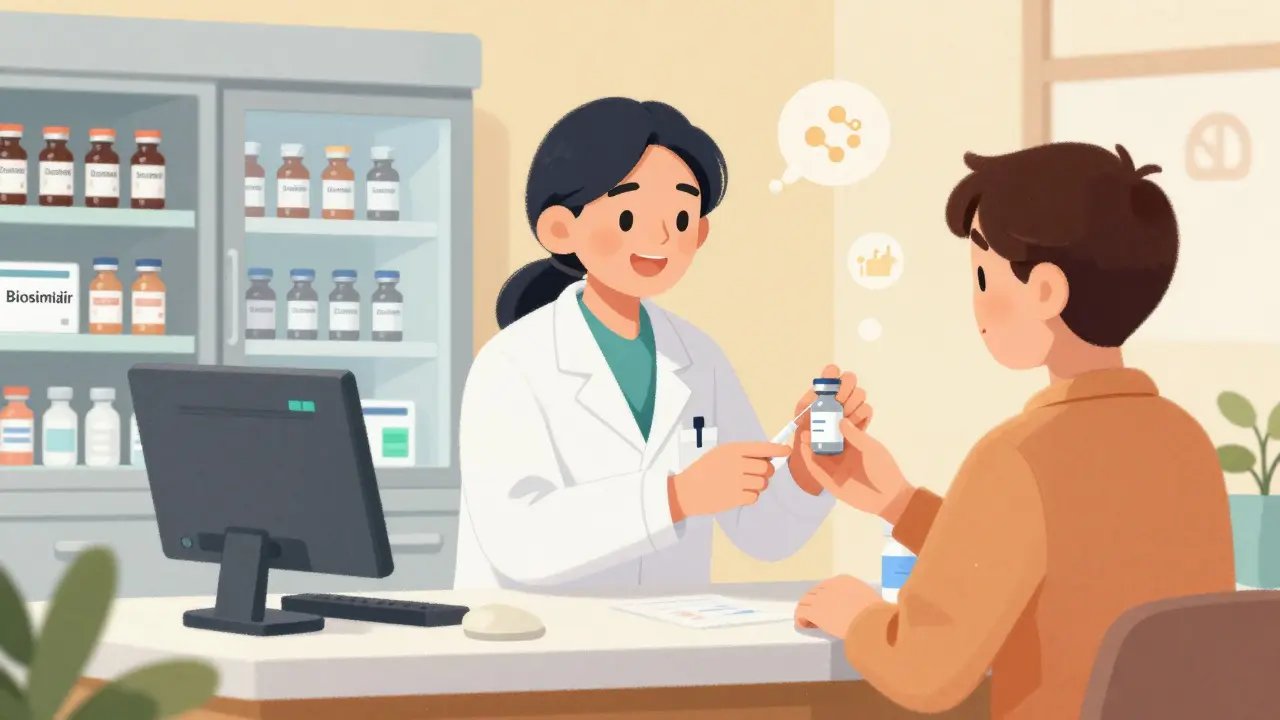
Specialty Pharmacy: How Providers Dispense Generic Specialty Drugs
Specialty pharmacies dispense generic and biosimilar drugs with the same clinical support as branded versions. Learn how providers manage complex medications, why retail pharmacies can't handle them, and what patients should expect.
Read more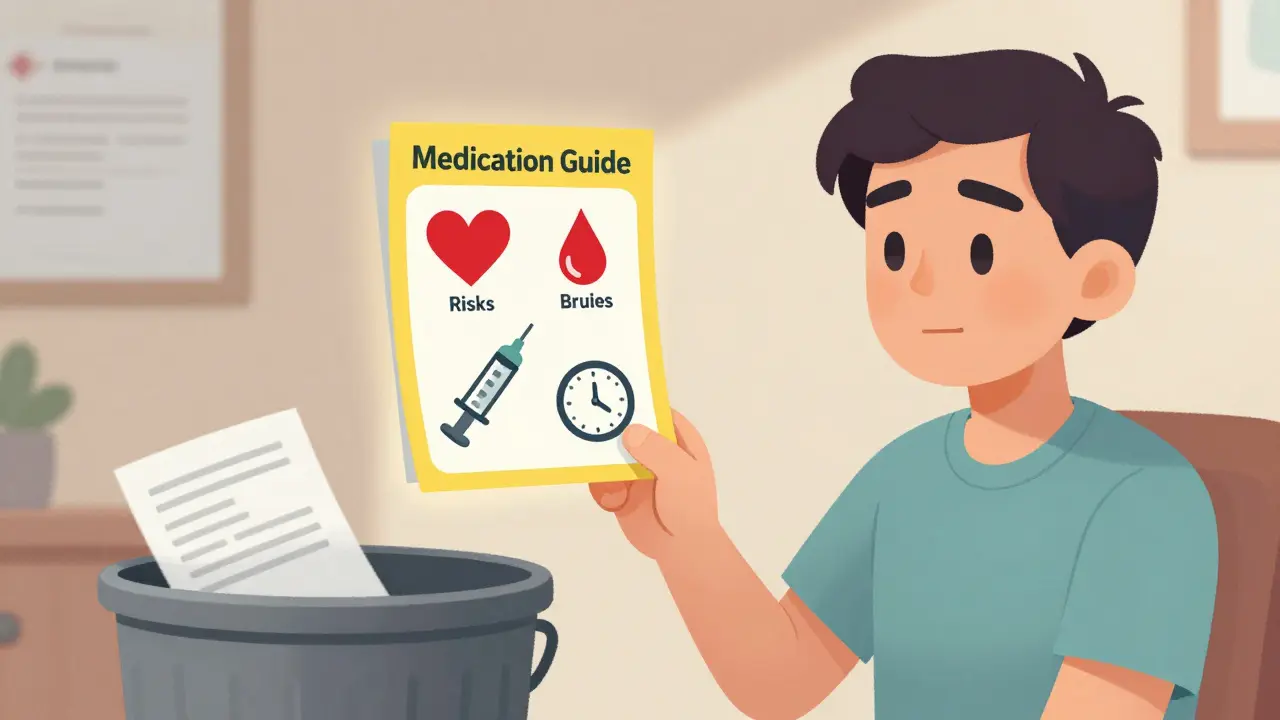
How to Read Medication Guides for Risk and Monitoring Advice
Learn how to read Medication Guides to spot life-saving risk warnings and monitoring instructions for your prescriptions. Know exactly what to watch for, when to act, and what to do if you don’t get the guide.
Read more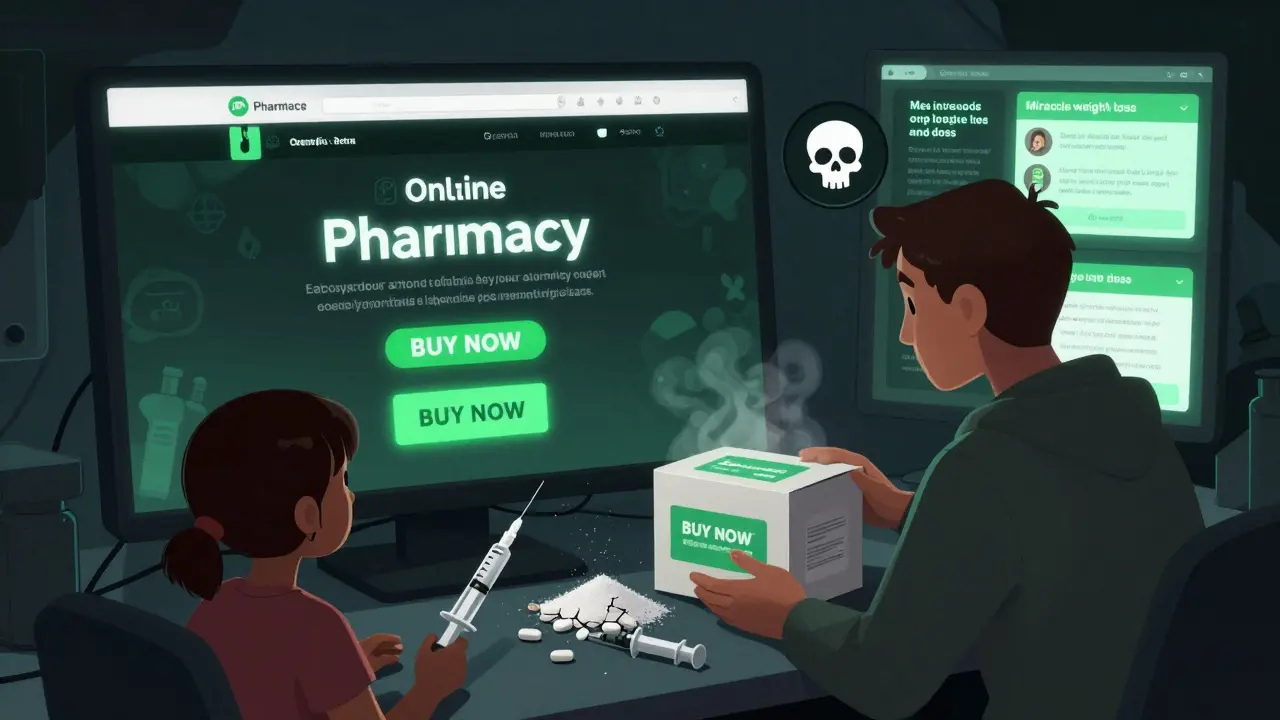
Online Pharmacy Counterfeits: The Hidden Dangers of Buying Medicines Online
Buying medicines online may seem convenient and cheap, but 96% of these sites sell fake, dangerous drugs. Counterfeit pills can contain fentanyl, toxic chemicals, or nothing at all-putting your life at risk.
Read more
Uveitis: Eye Inflammation, Causes, and Steroid Therapy
Uveitis is a serious eye inflammation that can lead to vision loss if untreated. Learn the types, causes, and why steroid therapy is critical-plus what happens if you ignore the symptoms.
Read more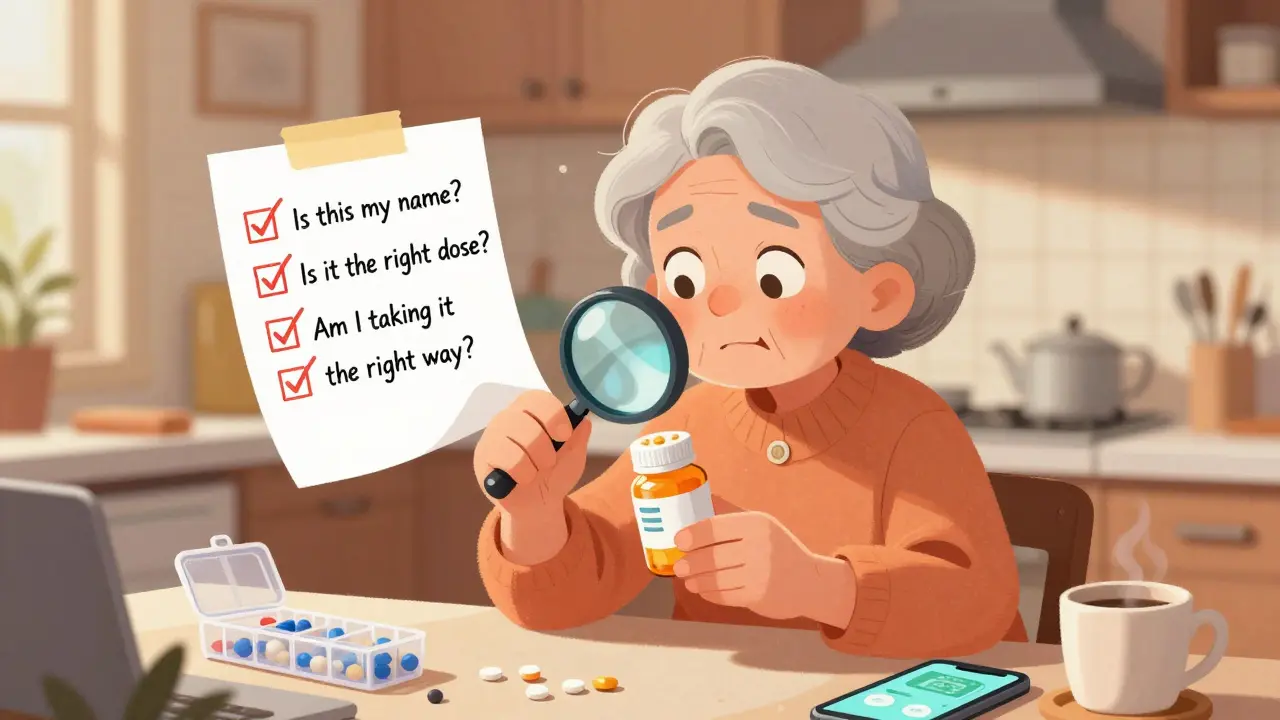
Five Essential Rules for Taking Medication Safely
Learn the five essential rules for taking medication safely to avoid dangerous errors. From knowing your pills to checking doses and timing, these simple steps can prevent hospital visits and save lives.
Read more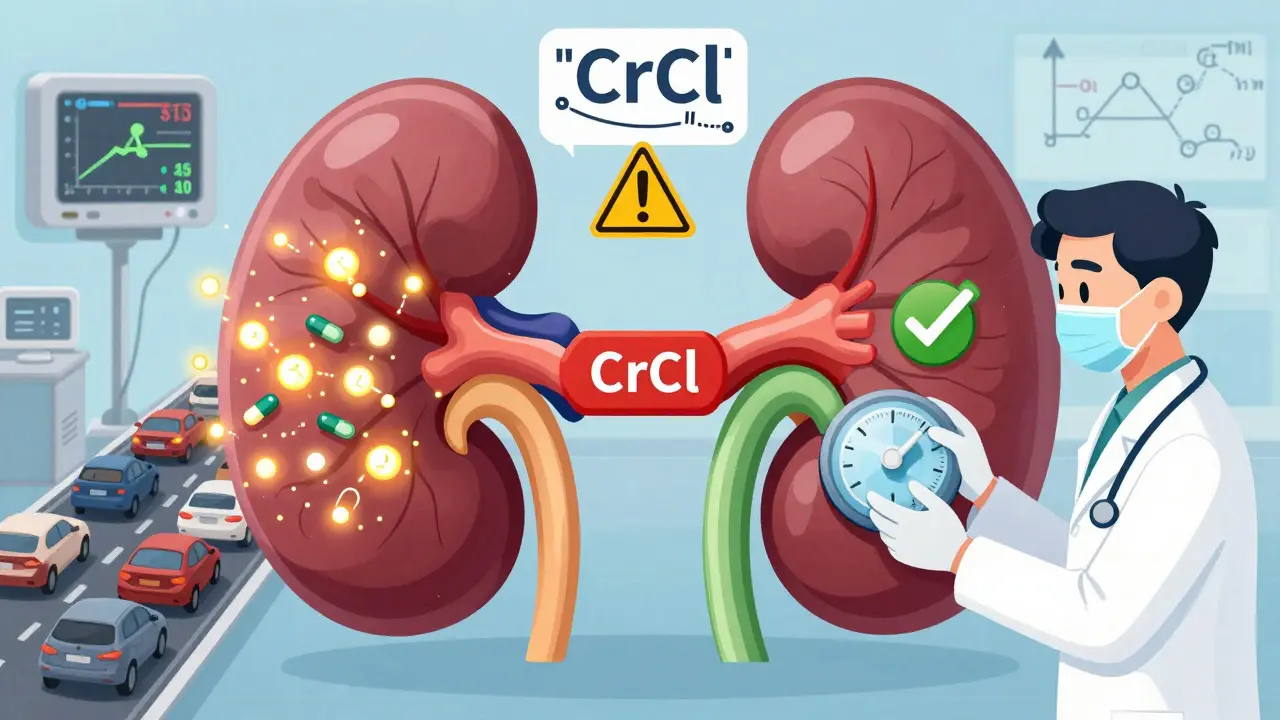
Renal Dosing of Antibiotics: Avoiding Toxicity in Kidney Disease
Renal dosing of antibiotics is critical to avoid toxicity in kidney disease. Learn how creatinine clearance guides dosing, why guidelines differ, and how to prevent life-threatening errors in clinical practice.
Read more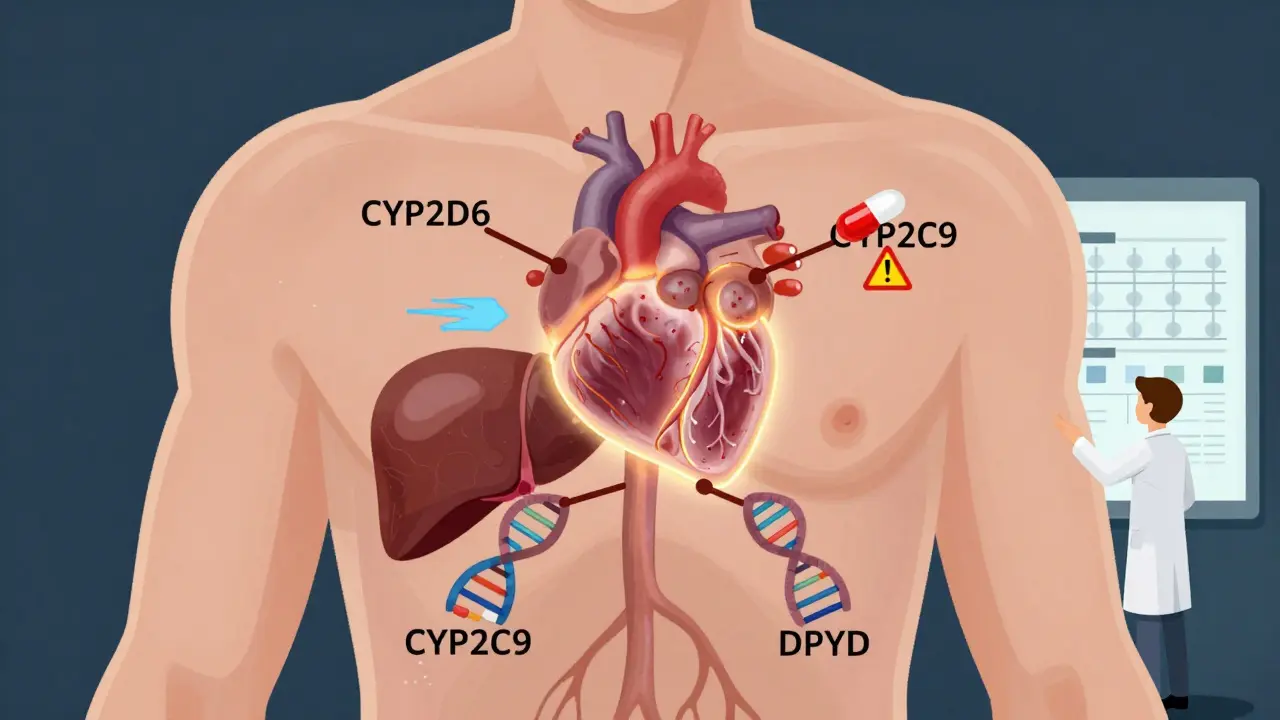
How Family History and Genetics Affect Your Response to Generic Drugs
Family history and genetic factors play a major role in how your body responds to generic drugs. Understanding your genes can prevent dangerous side effects and help you get the right dose - not just the right drug.
Read more
Peripheral Neuropathy: Causes, Symptoms, and Effective Pain Management
Peripheral neuropathy involves nerve damage causing pain, numbness, and weakness. Common causes include diabetes, vitamin deficiencies, and chemotherapy. Effective treatments include medications, physical therapy, and lifestyle changes. Early diagnosis improves outcomes. Learn about managing symptoms and current research advances.
Read more
Financial Toxicity in Cancer Care: How Treatment Costs Are Breaking Patients and What to Do About It
Financial toxicity in cancer care means patients face crushing costs that force them to skip treatments, go into debt, or choose between medicine and basic needs. Here's what it is, who it affects, and what you can do.
Read more
Levodopa and Antipsychotics: How Opposing Dopamine Effects Worsen Symptoms
Levodopa and antipsychotics have opposing effects on dopamine, making it dangerous to use them together. This article explains how this interaction worsens symptoms in Parkinson’s and schizophrenia patients, and what new treatments are emerging.
Read more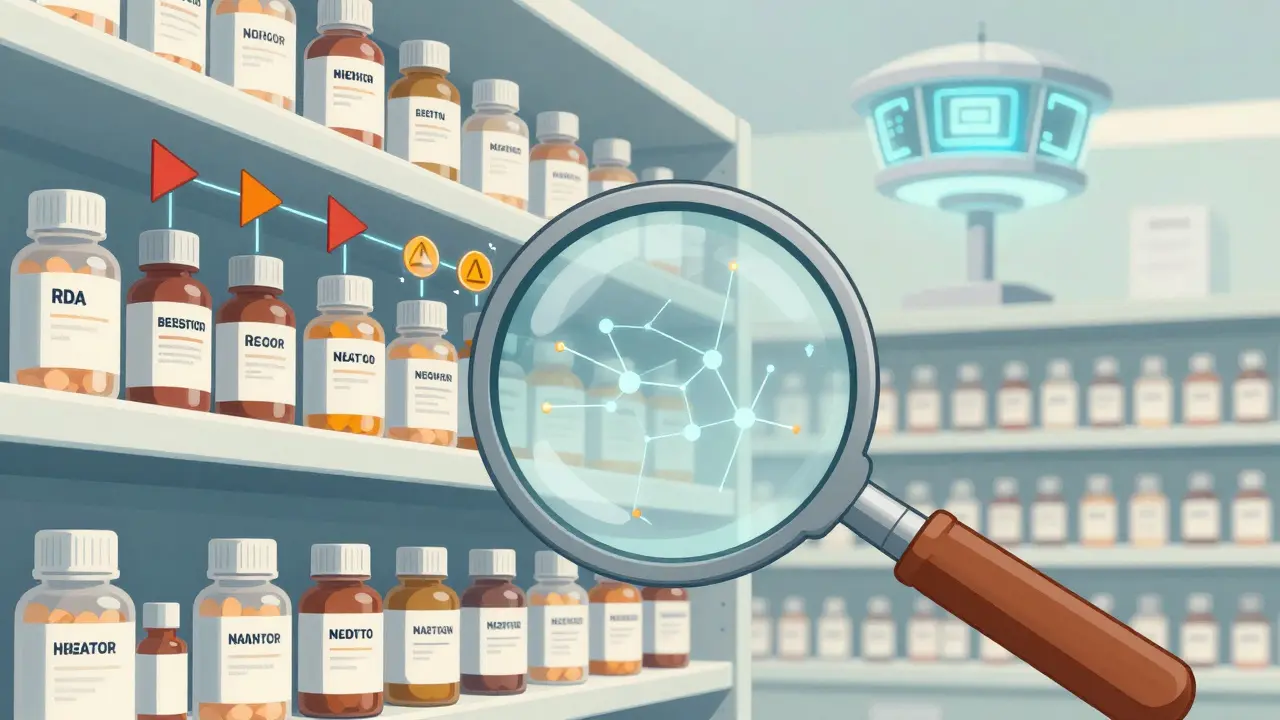
Drug Safety Monitoring: How the FDA Tracks Generic Drugs After Approval
The FDA doesn't stop monitoring generic drugs after approval. It uses real-time data, inspections, and patient reports to catch hidden safety issues. Here's how the system works-and what you can do to help.
Read more
Physical Dependence vs Addiction: Clarifying Opioid Use Disorder
Physical dependence on opioids is common and normal with long-term use - but it's not addiction. Learn the key differences between dependence and Opioid Use Disorder, how to recognize each, and what treatment actually works.
Read more