
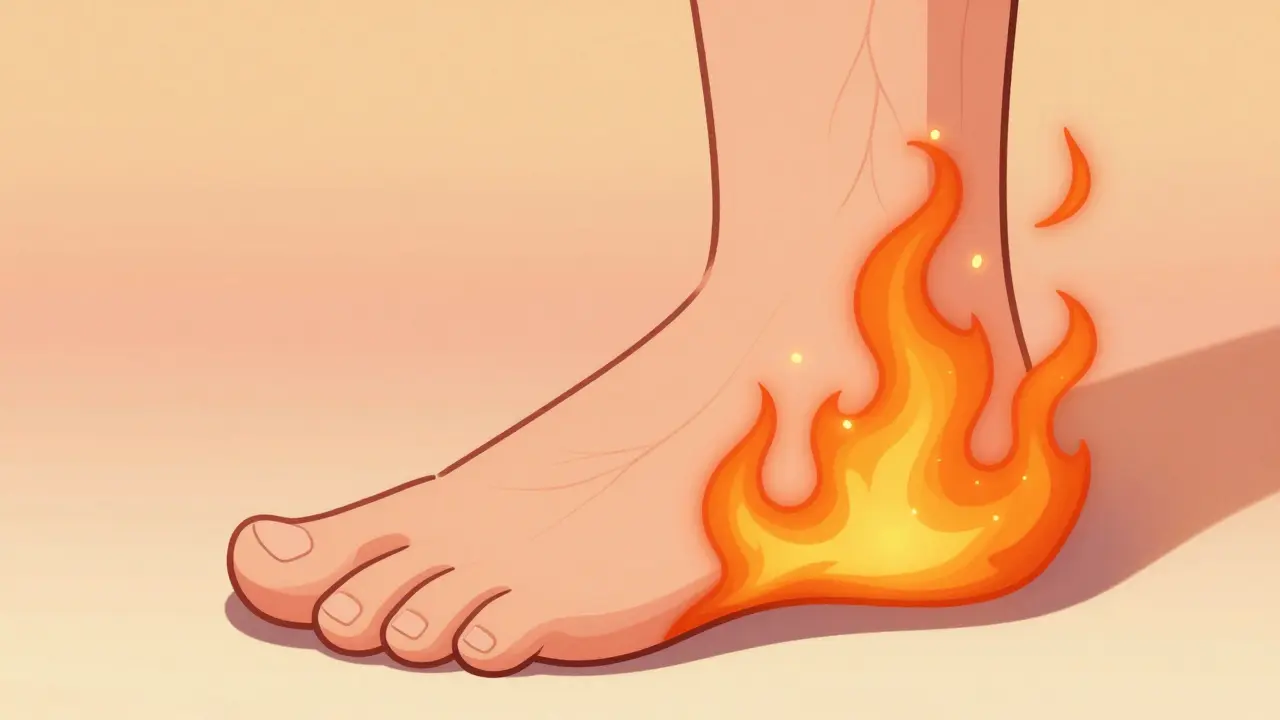
Peripheral Neuropathy is a condition where damage to nerves outside the brain and spinal cord causes pain, numbness, and weakness. Over 20 million Americans live with this condition. Peripheral Neuropathy affects the peripheral nervous system, which connects the brain and spinal cord to the rest of the body. This damage can lead to symptoms like burning sensations, tingling, or loss of feeling, often starting in the feet or hands.
Common Causes of Nerve Damage
Diabetes is the leading cause, affecting about half of all people with diabetes. High blood sugar over time harms nerves. Diabetes accounts for 30% of all peripheral neuropathy cases, according to Mayo Clinic data.
Chemotherapy drugs like vincristine or paclitaxel cause neuropathy in 30-40% of cancer patients. Chemotherapy-induced neuropathy is a common side effect, though not all chemo drugs trigger it.
Vitamin B12 deficiency affects 8% of cases. Without enough B12, nerves lose their protective coating. Vitamin B12 Deficiency can be corrected with supplements, often reversing symptoms if caught early.
Other causes include autoimmune diseases like lupus, alcohol misuse, infections like shingles, and genetic disorders. Some cases have no known cause (idiopathic).
Recognizing the Symptoms
Symptoms usually begin in the feet or hands and may spread upward. People often describe sensations as stabbing, burning, or tingling. Peripheral Neuropathy symptoms vary widely but commonly include numbness, heightened pain sensitivity, and muscle weakness.
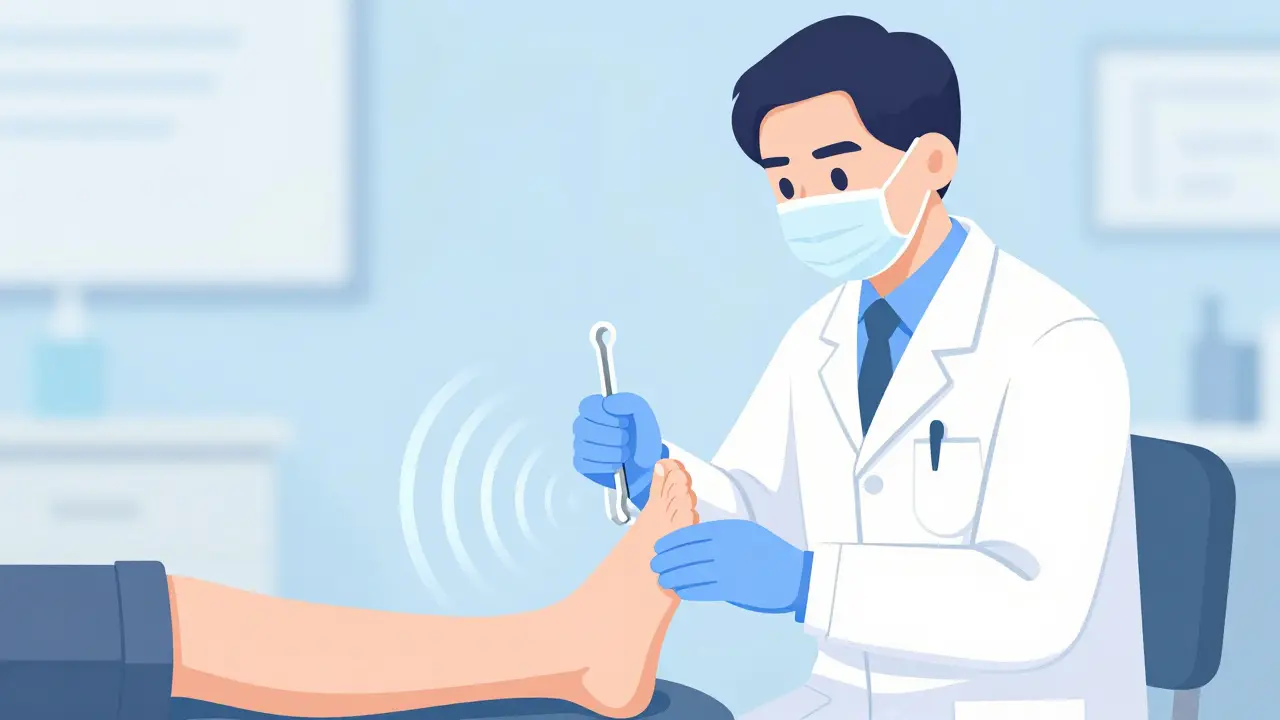
Doctors use tests like the 10-gram monofilament test to check for reduced touch sensation. Vibration perception is measured with a 128-Hz tuning fork. Abnormal nerve conduction velocities (below 40 m/s) confirm nerve damage.
Diagnosis Process
Diagnosing peripheral neuropathy typically takes 2-4 weeks. It involves nerve conduction studies (costing $500-$1,500 in the US), electromyography (EMG), and sometimes blood tests or skin biopsies. Nerve Conduction Study measures how well electrical signals travel through nerves, helping pinpoint damage location and severity.
Early diagnosis is critical. Mayo Clinic research shows intervention within six months of symptoms improves treatment response by 40% compared to delayed care.
Treatment Options: Medications and Beyond
Medications are often the first line of defense. Pregabalin (Lyrica) reduces pain by 50% in 37% of patients at doses between 150-600 mg daily. However, dizziness and drowsiness affect many users.
Duloxetine (Cymbalta) works for 35% of patients at 60 mg daily. It's also used for depression, so it may help with mood-related symptoms too.
Amitriptyline provides 50% pain relief in 41% of patients but has high side effects: 75% report dry mouth and 60% feel drowsy. Non-drug options include Physical Therapy, which improves balance by 25% after 12 weeks of exercises. Scrambler Therapy uses electrical stimulation to reduce pain; 85% of patients see 50% pain relief after 10 sessions.
Managing Daily Life with Peripheral Neuropathy
Self-care is essential. Diabetics must monitor blood sugar closely-keeping HbA1c below 7% reduces neuropathy progression by 60%. Daily foot inspections prevent injuries that could lead to serious infections. Therapeutic shoes reduce foot ulcers by 50% in diabetic patients.
Physical therapy exercises improve balance and strength. Simple routines like heel-to-toe walking or chair stands can cut fall risk by 30% after 8-12 weeks. Avoiding alcohol and quitting smoking also helps slow nerve damage.
The Future of Neuropathy Care
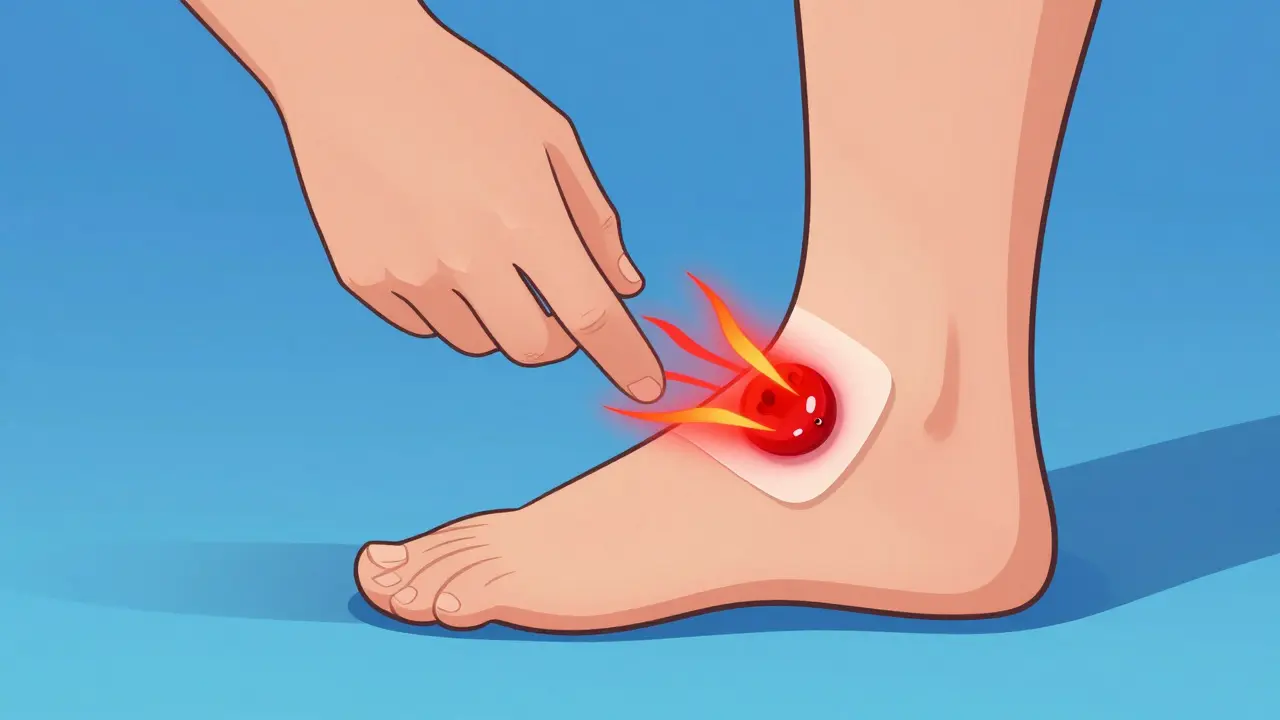
New treatments are emerging. The FDA-approved Qutenza patch (capsaicin 8%) provides three months of relief from a single 30-minute application, with 31% pain reduction in clinical trials. Gene therapy for conditions like Charcot-Marie-Tooth disease is in early trials, showing 20% improvement in nerve conduction at six months.
AI tools may soon cut diagnosis time from 18 months to six months by 2025. Wearable nerve stimulators expected in 2024 aim to provide continuous relief. Experts predict combination therapies targeting both pain and nerve repair will become standard by 2030.
Can peripheral neuropathy be cured?
While peripheral neuropathy can't always be fully cured, managing the underlying cause often stops progression and improves symptoms. For example, controlling blood sugar in diabetes can prevent further damage. In cases like vitamin B12 deficiency, supplementation may reverse nerve damage if caught early. However, for some types like chemotherapy-induced neuropathy, symptoms may persist even after treatment ends. The key is early intervention-most treatments work best when started within six months of symptoms beginning.
What are the first signs of peripheral neuropathy?
Early symptoms typically appear in the feet or hands and include tingling, numbness, or a "pins and needles" sensation. Some people describe sharp, burning pain or increased sensitivity to touch. These symptoms often worsen at night and may spread up the limbs over time. If you notice these signs, especially if you have diabetes or other risk factors, see a doctor promptly.
How does diabetes cause nerve damage?
High blood sugar over time damages nerves and the small blood vessels that supply them. This reduces oxygen flow to nerves, leading to dysfunction. The Diabetes Control and Complications Trial showed that keeping HbA1c below 7% reduces neuropathy progression by 60%. Managing blood sugar early is crucial-damage can start before symptoms appear.
Are there side effects to neuropathy medications?
Yes. Pregabalin causes dizziness (40% of users) and weight gain. Duloxetine may lead to nausea (30%) and insomnia. Amitriptyline often causes dry mouth (75%) and drowsiness (60%). Many patients stop taking these due to side effects. Always discuss alternatives with your doctor-some find relief with non-drug options like physical therapy or scrambler therapy.
What lifestyle changes help with neuropathy?
Daily foot checks prevent injuries. Wear cushioned shoes to avoid pressure sores. Quitting smoking improves blood flow to nerves. Limiting alcohol protects nerves from further damage. For diabetics, consistent glucose monitoring and healthy eating are critical. Even small changes like walking 20 minutes daily can improve balance and reduce fall risk by 25%.
Mayank Dobhal
February 7, 2026 AT 06:05Burning feet every night. Lyrica helps but drowsiness is rough. 😔
Marcus Jackson
February 7, 2026 AT 19:09Diabetes causes 30% of cases, but chemo drugs like vincristine hit 30-40% of cancer patients. B12 deficiency is rare but reversible. Simple facts.
Natasha Bhala
February 8, 2026 AT 18:53tingling in hands cant sleep
Gouris Patnaik
February 9, 2026 AT 16:17Western medicine is useless for neuropathy. In India, we have Ayurvedic treatments that have been used for thousands of years. These herbs work better than any drug. The government here should ban these expensive medications. It's all about the money. They don't care about real cures. Only profit. I've personally cured myself with turmeric and neem. No need for fancy tests. Just traditional wisdom. Science is just a fad.
Jesse Lord
February 11, 2026 AT 10:10i feel for anyone dealing with this. physical therapy really helps with balance. just need to stay consistent. its tough but possible
AMIT JINDAL
February 12, 2026 AT 04:05Most doctors dont know the real causes. like planetary alignments are the real cause. 😜 Also i read a study where 80% of cases are due to electromagnetic fields from cell phones. The FDA should regulate this. Plus, my cousin in Mumbai had a miracle cure with yoga and chanting. It's all about the energy flow man. 🌈✨ But seriously, the real issue is modern lifestyle. We're all sitting too much. Our ancestors walked miles daily. Now we're glued to screens. That's why neuropathy is so common. Also, the government is hiding the truth about vaccines causing nerve damage. I saw a video where a doctor said... Oh and don't forget about the moon phases. Full moon makes symptoms worse. I've personally noticed it. The moon's gravitational pull affects our nerves. It's all connected. You need to live off the grid. No electricity. No internet. Just pure nature. That's the real solution. Science is just a tool to control us. Wake up people!
Catherine Wybourne
February 12, 2026 AT 07:28Scrambler therapy works. 85% pain relief is impressive. Maybe my doctor will try it. Or maybe not. Who knows.
Joey Gianvincenzi
February 12, 2026 AT 17:41The information presented is entirely insufficient. One must consult peer-reviewed studies before disseminating such incomplete data. This is unacceptable. The lack of proper citations renders this article unreliable.