
Every day, millions of Americans take generic drugs. They’re cheaper, widely available, and just as effective as brand-name medicines-or so we’re told. But what happens after the FDA approves a generic drug? Does the agency just walk away, assuming it’s safe forever? Not even close.
Approval isn’t the end-it’s just the beginning
The FDA doesn’t approve a generic drug because it’s perfect. It approves it because it’s bioequivalent. That means, in a study with maybe 24 to 36 healthy volunteers, the generic version releases the same amount of active ingredient into the bloodstream as the brand-name drug. That’s it. No large-scale trials. No long-term data on rare side effects. No real-world evidence from older patients, pregnant women, or people with multiple chronic conditions. So when a generic hits the market, the FDA doesn’t declare victory. It starts watching. And watching. And watching.The systems behind the scenes
The FDA doesn’t rely on guesswork or luck. It uses a network of tools, teams, and databases built over decades. At the core is the FDA Adverse Event Reporting System (FAERS). Every year, FAERS collects around 2 million reports of possible side effects-from doctors, pharmacists, patients, and drug companies. These aren’t confirmed causes, but red flags. A spike in reports of liver problems linked to a specific generic blood pressure pill? That triggers an investigation. Then there’s the Sentinel Initiative. Launched in 2008 and expanded under the 21st Century Cures Act, Sentinel pulls data from electronic health records across more than 100 million patients. It doesn’t wait for someone to file a report. It actively scans for patterns: Are people taking a certain generic statin more likely to have muscle pain? Are there more hospital visits after switching to a new generic version of an epilepsy drug? Sentinel finds these signals before they become public crises. Behind the scenes, the Office of Generic Drugs (OGD) has a dedicated team called the Clinical Safety and Surveillance Committee. It includes doctors, chemists, and toxicologists who meet regularly to review safety data. They don’t just look at reports-they dig into manufacturing records, impurity levels, and even tiny differences in inactive ingredients that might affect how a drug behaves in certain patients.Why generics need extra scrutiny
Brand-name drugs go through years of clinical trials with thousands of patients. Generics? They skip that. That’s the whole point-they’re copies. But copies can have differences. The active ingredient might be identical, but the fillers, dyes, or coatings? Those can vary. And sometimes, those differences matter. Take a generic version of a narrow therapeutic index drug-like warfarin or levothyroxine. A tiny change in how the pill dissolves can throw off blood levels enough to cause a clot or a thyroid crash. These aren’t theoretical risks. The FDA has issued warnings and even recalled generics after reports of therapeutic failure. The FDA doesn’t assume all generics are the same. It tracks which manufacturer made which batch. If a batch from Company A shows more reports of dizziness than Company B’s version-even though both are labeled the same-the agency can demand answers. That’s why inspections matter.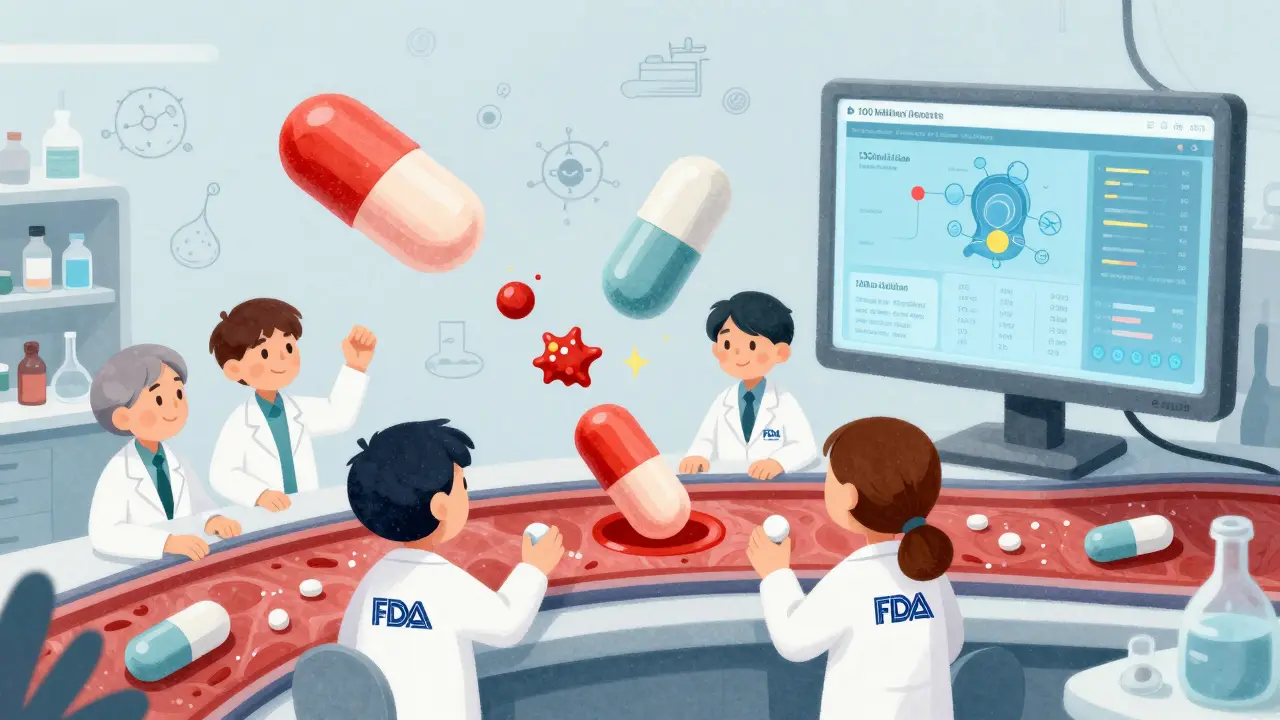
Manufacturing checks never stop
The FDA inspects around 1,200 U.S. drug factories and 600 foreign ones every year. Some are scheduled. Many are surprise visits. Inspectors don’t just check for cleanliness. They look at raw material sourcing, production controls, and lab testing methods. They check if a manufacturer is hiding impurities or cutting corners. One key area: impurities. Even tiny amounts of unknown chemicals can be dangerous. The FDA sets strict limits. If a generic manufacturer’s product shows an impurity above that limit-even if it’s below the level found in the brand-name drug-the FDA can block the product. That’s not a loophole. It’s a safety net.What happens when something goes wrong?
The FDA doesn’t wait for hundreds of injuries to act. When a pattern emerges, they move fast. Here’s what can happen:- A Dear Healthcare Provider letter is sent out, warning doctors about a potential risk.
- The drug’s label gets updated with new warnings.
- The manufacturer is ordered to change the formulation or testing process.
- In rare cases, the product is recalled.
Who reports the problems?
You might think only doctors report side effects. But anyone can. The FDA’s MedWatch system lets patients and caregivers submit reports directly. You don’t need a doctor’s note. You just need to describe what happened. Here’s the catch: only 1% to 10% of adverse events are ever reported. That’s a huge blind spot. That’s why the FDA uses data mining. They look for clusters-like a sudden rise in reports of kidney issues tied to a specific generic antibiotic made by one company. Even without a flood of reports, patterns can show up.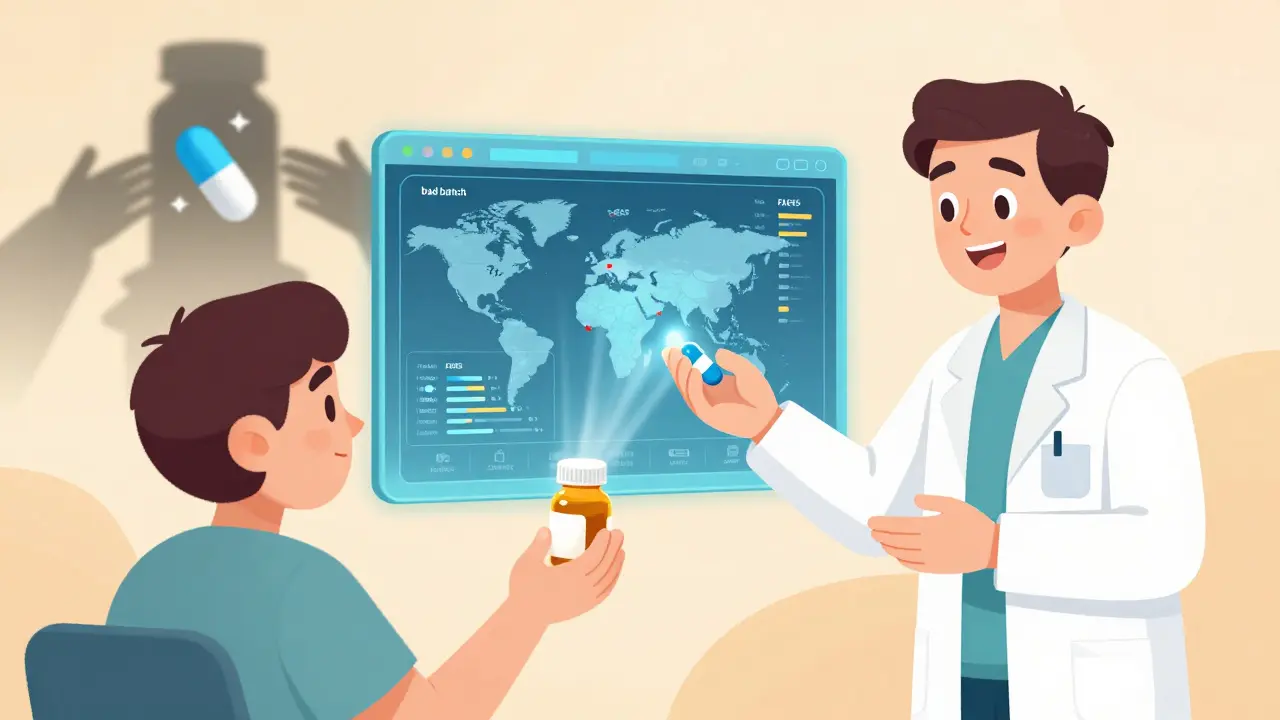
The numbers don’t lie
Generic drugs make up 90% of all prescriptions filled in the U.S. But they cost only about 23% of total drug spending. That’s why safety monitoring isn’t optional-it’s essential. One failure in a widely used generic can impact millions. The FDA approved about 1,000 new generic drugs in 2023. Each one enters the market with less safety data than a new brand-name drug. That’s why the agency’s post-market systems are more critical now than ever.What’s next?
The FDA is pushing further. Under GDUFA III (2023-2027), the agency is expanding its focus to complex generics-like inhalers, injectables, and topical creams-that are harder to copy exactly. They’re also building better tools to predict risks before they happen, using artificial intelligence to spot anomalies in real-time data. The goal? To make sure that when you pick up a generic pill at the pharmacy, you’re not just saving money-you’re getting a medicine that’s as safe as the brand-name version, even years after approval.What you can do
You don’t have to wait for the FDA to act. If you notice a change in how a generic drug affects you-new side effects, reduced effectiveness, or strange reactions-report it. Use MedWatch. Talk to your pharmacist. Ask your doctor if the generic you’re taking has had safety alerts. Your report might be one of the few that triggers an investigation. And that could protect someone else down the line.Are generic drugs as safe as brand-name drugs?
Yes, when they’re properly made and monitored. The FDA requires generics to be bioequivalent to the brand-name drug, meaning they work the same way in the body. But because generics don’t go through large clinical trials, some rare side effects or manufacturing issues may only appear after the drug is widely used. The FDA’s post-market systems are designed to catch these issues before they become widespread problems.
How does the FDA find problems with generics after approval?
The FDA uses multiple systems: the FAERS database for patient and doctor reports, the Sentinel Initiative to analyze electronic health records from over 100 million people, and routine inspections of manufacturing facilities. They also use data mining to spot unusual patterns, like a sudden increase in reports of a specific side effect tied to one manufacturer’s version of a generic drug.
Can different brands of the same generic drug be different?
Yes. While the active ingredient must be identical, the inactive ingredients-like fillers, dyes, or coatings-can vary between manufacturers. For most people, this doesn’t matter. But for drugs with a narrow therapeutic index (like thyroid meds or blood thinners), even small differences can affect how the drug is absorbed. That’s why the FDA tracks which company makes which batch and investigates any safety signals tied to specific products.
What should I do if I think a generic drug isn’t working for me?
Don’t stop taking it without talking to your doctor. But do report your experience. Use the FDA’s MedWatch system to file a report, or ask your pharmacist to help. If multiple people report the same issue with a specific generic, the FDA may investigate. Also, check the label for the manufacturer’s name-you might need to switch to a different brand of the same generic.
Are generic drugs from other countries safe?
The FDA inspects foreign manufacturing plants just like U.S. ones. About 600 foreign facilities are inspected each year. If a foreign-made generic is sold in the U.S., it must meet the same standards as domestic ones. But if you buy generics online from overseas sites not regulated by the FDA, there’s no guarantee of safety. Always get your prescriptions from licensed U.S. pharmacies.
owori patrick
January 31, 2026 AT 17:26Really appreciate this breakdown. I work in community health in Nigeria, and we rely on generics every day. It’s wild how little people know about how these drugs are monitored after approval. This kind of transparency matters more than we think.
Especially when folks are getting meds shipped from overseas and assume they’re safe because they ‘look the same.’ We need more of this info in local languages.
Claire Wiltshire
February 1, 2026 AT 15:17This is one of the most thorough and reassuring explanations I’ve read about generic drug safety. The FDA’s post-market surveillance systems-FAERS, Sentinel, and the Clinical Safety Committee-are underappreciated marvels of public health infrastructure.
It’s easy to assume ‘generic = lower quality,’ but the reality is far more nuanced. The agency doesn’t just approve and forget-it actively watches, compares, and acts. That’s not something we should take for granted.
Darren Gormley
February 3, 2026 AT 03:39LOL so the FDA ‘watches’... 🤡
Meanwhile, 40% of generic pills fail bioequivalence tests in independent labs. And the FDA doesn’t even test them-they just trust the manufacturer’s paperwork. The whole system’s a joke.
Also, why do we even call them ‘generics’? They’re knockoffs. And knockoffs aren’t supposed to be safe-they’re supposed to be cheap. 🤷♂️
Mike Rose
February 4, 2026 AT 17:54generic drugs are just ripoffs. why do we even bother? i took one and felt weird. my doc said ‘it’s the same’ but nah, it’s not. i switched back to brand and felt fine. FDA is just sleeping on the job.
also why do they even test 24 people? that’s less than my yoga class.
Diksha Srivastava
February 5, 2026 AT 13:52This is such a hopeful read! 💛 It’s easy to feel powerless about healthcare, but knowing there are teams quietly watching over every batch of medication? That’s comforting.
Even if you’re not a scientist, your report on MedWatch could be the one that saves someone. Don’t underestimate your voice. Keep speaking up!
Sidhanth SY
February 6, 2026 AT 12:40Love how the article doesn’t just say ‘trust the FDA’ but shows exactly how they work. The part about impurities and inactive ingredients? That’s the real story.
My uncle had a bad reaction to a generic levothyroxine-switched manufacturers and it fixed everything. Nobody knew why until we looked up the batch. This system isn’t perfect, but it’s trying.
Also, props to the FDA for inspecting 600 foreign plants. Most countries don’t even do that.
Adarsh Uttral
February 6, 2026 AT 22:35bro the FDA just lets anyone report stuff? i once thought my coffee made me dizzy so i filed a medwatch report lol
but then i saw some guy reported his generic blood pressure med made him pass out and they pulled it. so maybe my dumb report was kinda useful?
also why do they care about dye in pills? that’s wild.
Sheila Garfield
February 7, 2026 AT 21:40Honestly, I used to think generics were sketchy until I read this. I’m a nurse in the UK and we use generics daily-my patients are always shocked to learn how much they save.
But I’ve seen the same issue Sidhanth mentioned: two different brands of the same generic, one works, one doesn’t. The label says ‘identical,’ but the body knows better.
Big up to the FDA for tracking batches. That’s the kind of detail most people don’t even think about.
Shawn Peck
February 8, 2026 AT 06:54THEY’RE JUST COPYING PILLS AND CALLING IT SCIENCE?!
Do you know how many people die because some factory in India skips a quality check? The FDA doesn’t even test the pills-they just read the PDFs the company sends them!
This is a scam. A $500 billion scam. And you’re all sitting here like ‘oh how nice they’re watching.’
They’re NOT watching. They’re just hoping.
Niamh Trihy
February 8, 2026 AT 18:51I’ve worked in pharmacovigilance for 12 years, and this summary is accurate but too gentle. The real issue? Underfunding. FAERS is a data graveyard-only 2% of reports get reviewed manually. Sentinel helps, but it’s still reactive.
The system works… barely. We need mandatory real-time reporting from pharmacies and AI-driven anomaly detection built into prescribing software. Until then, we’re playing whack-a-mole with safety.
Sarah Blevins
February 9, 2026 AT 04:06The data presented here is methodologically flawed. FAERS reports are not causally linked events-they are correlations with high noise-to-signal ratios. The Sentinel Initiative is promising, but its observational nature limits causal inference. The conclusion that the system is ‘robust’ is unsupported by the evidence provided.
Further, the claim that ‘one failure can impact millions’ is statistically hyperbolic without incidence rate data. The tone of the article is alarmist without sufficient risk quantification.
Jason Xin
February 11, 2026 AT 00:01Yeah, sure. The FDA’s ‘watching.’
Meanwhile, my cousin’s kid had a seizure after switching to a generic seizure med. Took six months to get anyone to listen. The FDA didn’t ‘act fast’-they waited for 17 other cases. And the manufacturer? Still selling it.
It’s not that the system doesn’t exist. It’s that it’s broken by design. You think your report matters? Nah. It just goes into a black hole labeled ‘Pending Review.’
But hey, at least the pill’s cheaper.