
Author: Gina Lizet - Page 2
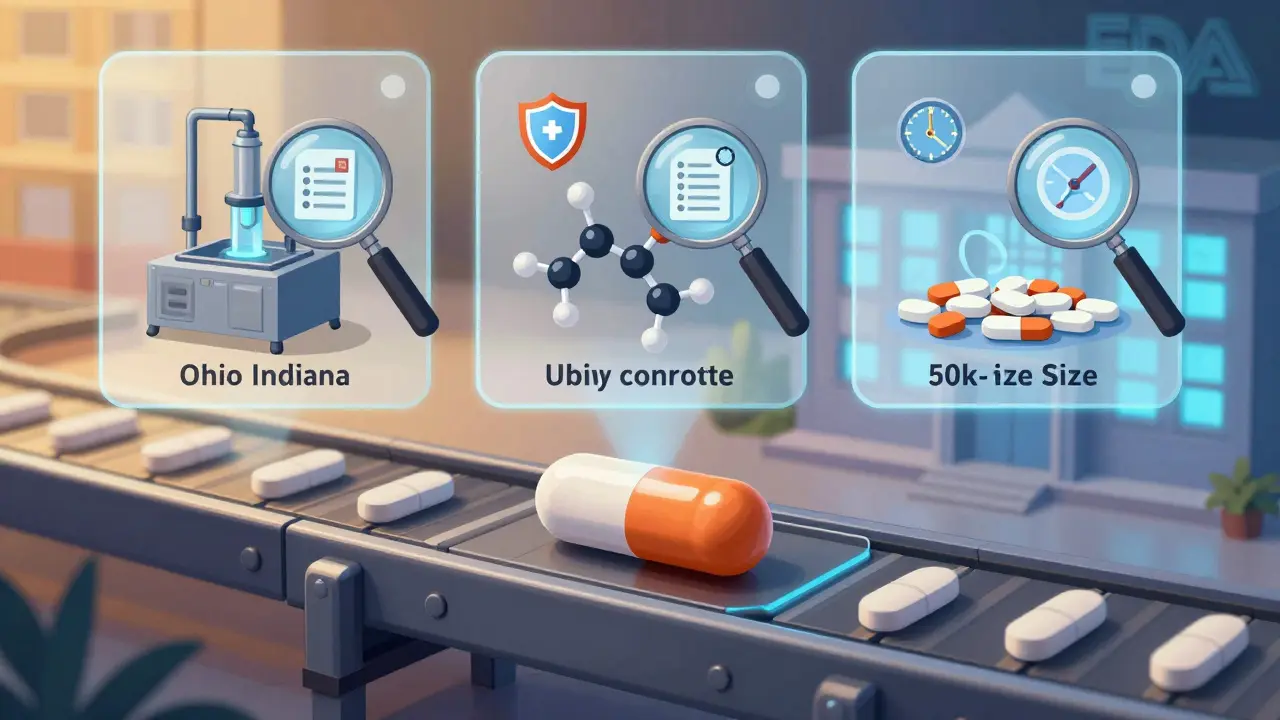
Manufacturing Changes and Generic Approval: What Triggers FDA Re-Evaluation
Manufacturing changes in generic drugs can trigger full FDA re-evaluation. Learn what modifications require prior approval, how long reviews take, and how new programs are speeding up the process.
Read more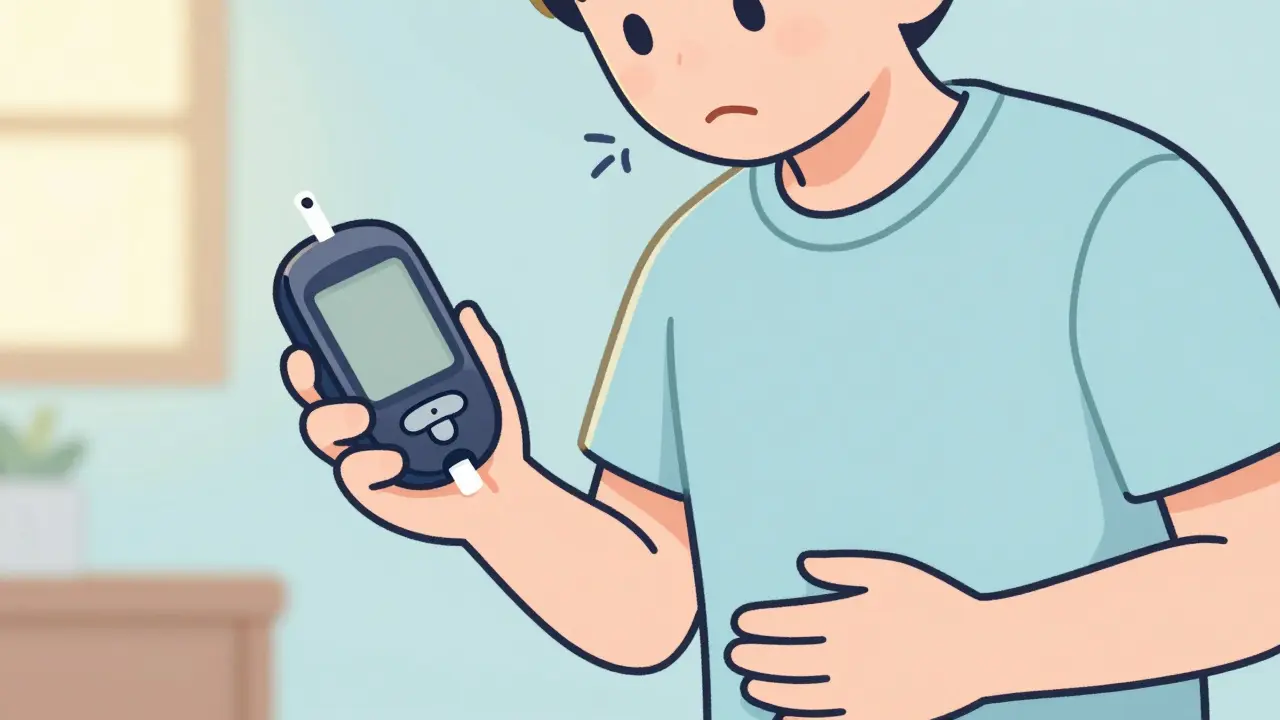
SGLT2 Inhibitors and Diabetic Ketoacidosis Risk: Symptoms, Causes, and Prevention
Learn how SGLT2 inhibitors for type 2 diabetes can cause diabetic ketoacidosis even with normal blood sugar. Understand symptoms, risk factors, and how to prevent this serious complication. Includes latest guidelines and real-world data on managing this rare but dangerous side effect.
Read more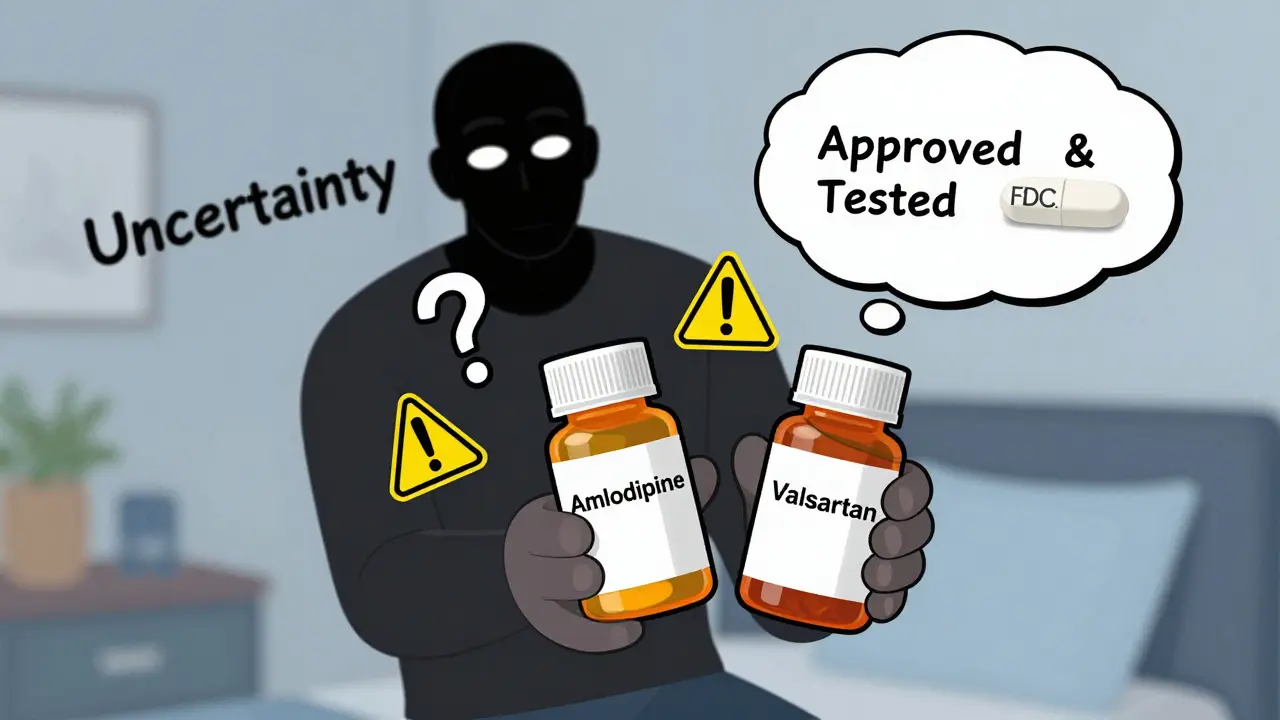
De facto combinations: Why taking separate generics instead of FDCs is common - and risky
Many patients take separate generic drugs instead of fixed-dose combinations (FDCs) for cost or dosing reasons. But this practice, called a de facto combination, carries hidden risks like lower adherence and untested drug interactions. Learn when it's safe - and when it's not.
Read more
Medical Weight Management: Clinics, Medications, and Monitoring
Medical weight management combines clinics, FDA-approved medications like Wegovy and Zepbound, and ongoing monitoring to treat obesity as a chronic disease. Learn how it works, who qualifies, and why it’s more effective than diet programs.
Read more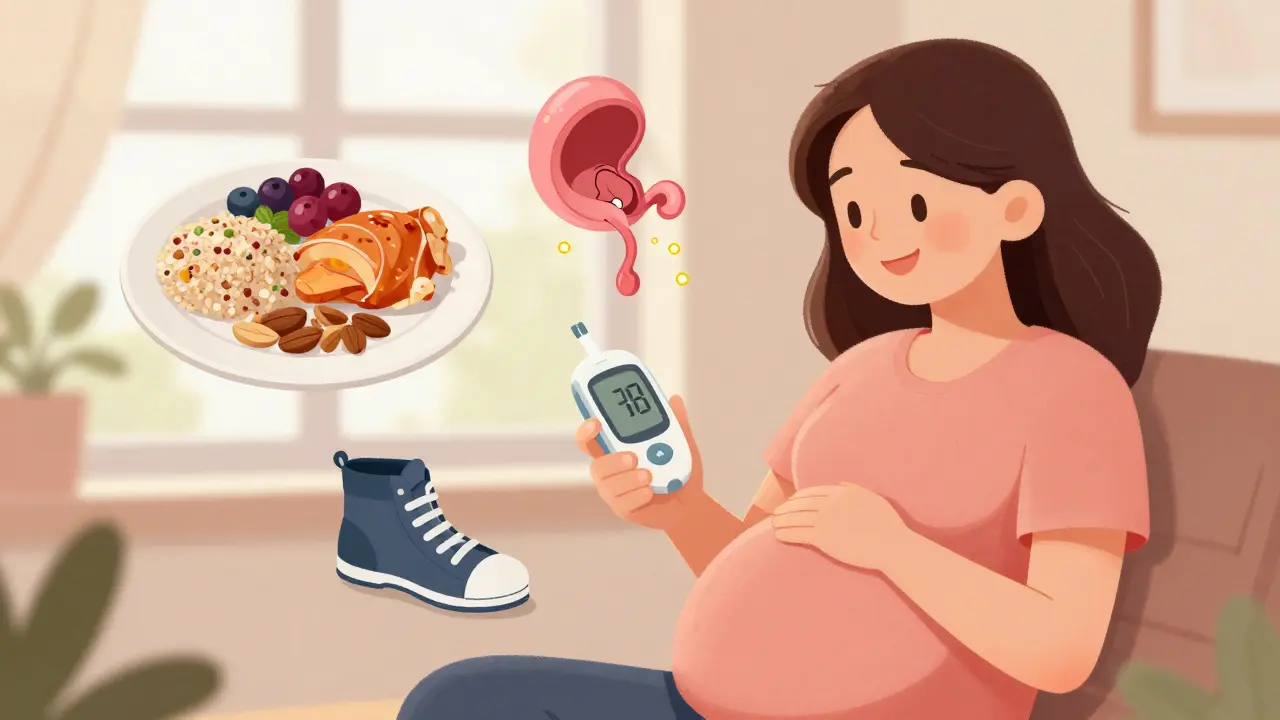
Gestational Diabetes: How to Manage Blood Sugar During Pregnancy
Learn how to manage blood sugar during pregnancy with gestational diabetes through diet, exercise, monitoring, and when medication is needed. Reduce risks to you and your baby with proven, practical strategies.
Read more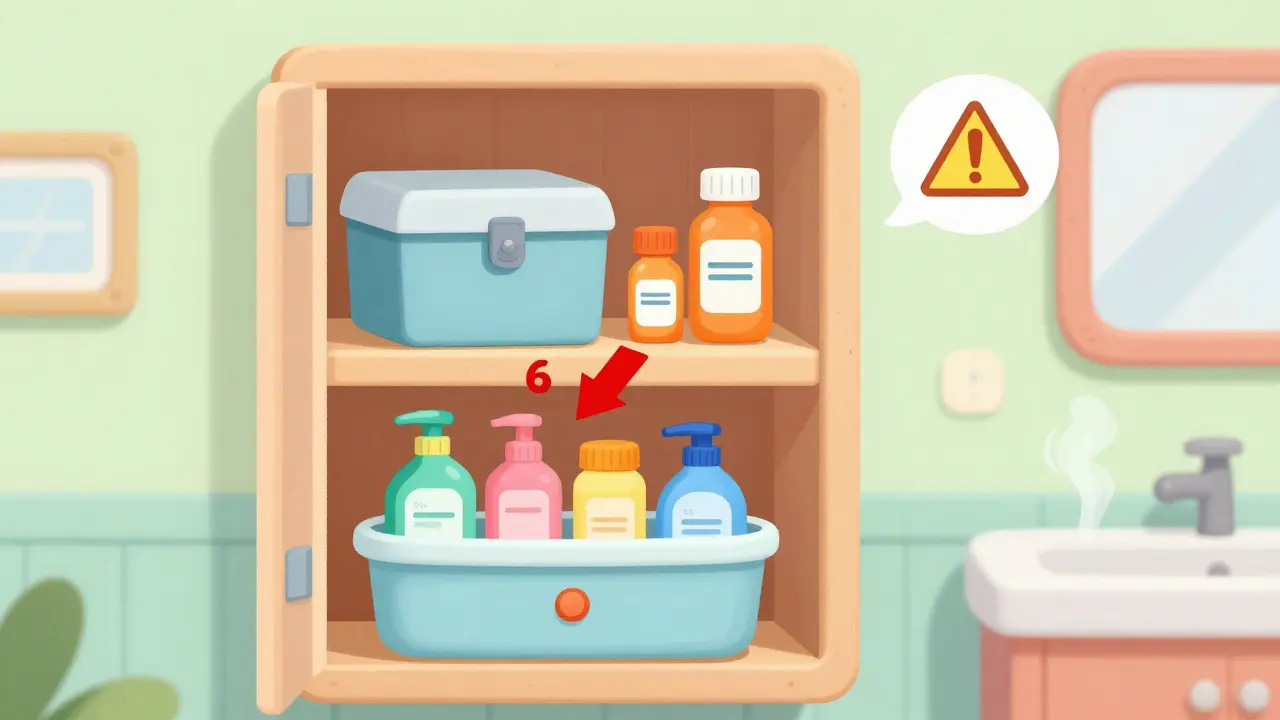
How to Separate Household Chemicals from Medication Storage for Safety
Learn how to safely separate household chemicals from medication storage to prevent poisoning, maintain medicine effectiveness, and protect kids and adults from accidental exposure. Simple steps make a big difference.
Read more
Child and Adolescent Depression: How Family Therapy and Medications Work Together
Family therapy and SSRIs like fluoxetine and escitalopram are the most effective treatments for child and adolescent depression. Combined, they reduce symptoms faster and lower suicide risk. Learn how they work, when to use each, and what families need to know.
Read more
Authorized Generics vs Brand Drugs: What You Need to Know About Identical Medications
Authorized generics are the exact same drugs as brand-name medications, made by the same company with identical ingredients. Learn how they differ from regular generics, why they cost less, and when to ask for them at the pharmacy.
Read more
How to Use Compounded Medications for Children Safely
Compounded medications for children can be lifesaving-but only if used safely. Learn how to verify dosing, choose accredited pharmacies, and avoid deadly errors with custom-formulated drugs.
Read more
Acarbose and Miglitol: How to Manage Flatulence and GI Side Effects
Learn how to manage gas, bloating, and GI side effects from acarbose and miglitol with proven dose titration, dietary tips, and OTC solutions that actually work-without quitting the medication.
Read more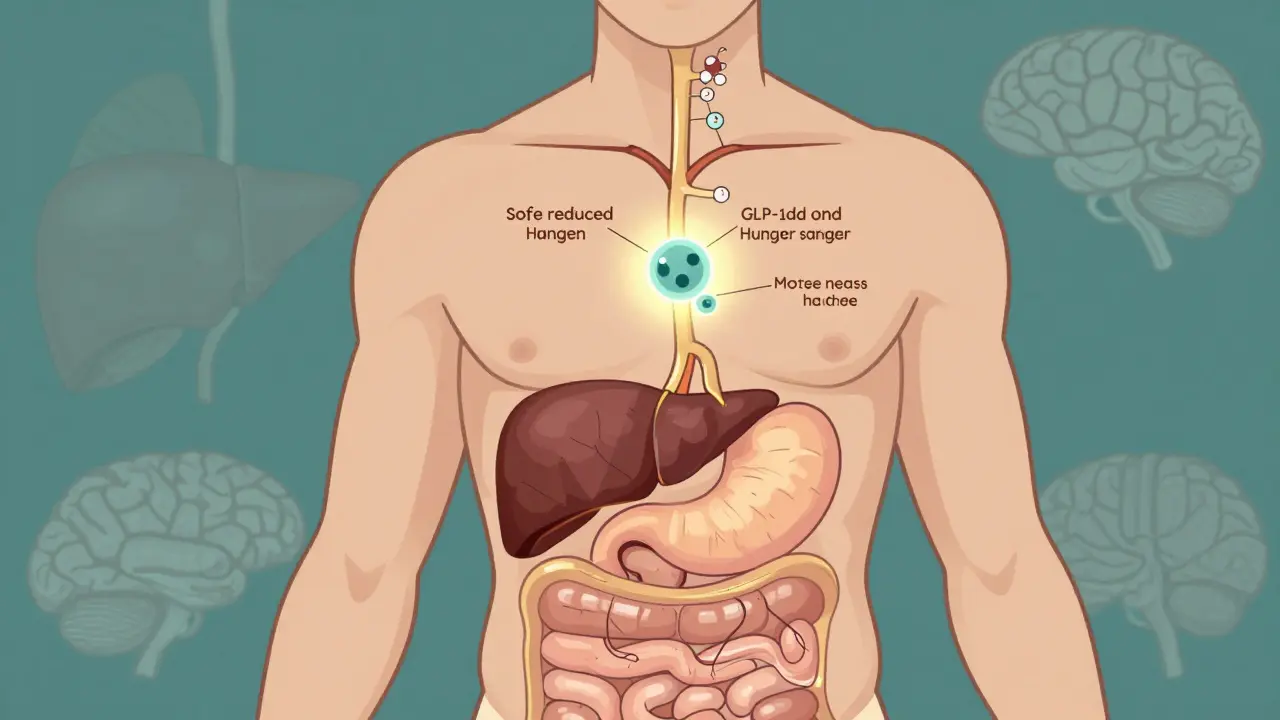
GLP-1 Agonists and Weight Loss: How These Diabetes Drugs Are Changing Obesity Treatment
GLP-1 agonists like Ozempic and Wegovy were designed for diabetes but now lead the weight loss revolution. Learn how they work, who benefits most, their surprising brain and heart perks, and the real costs and side effects.
Read more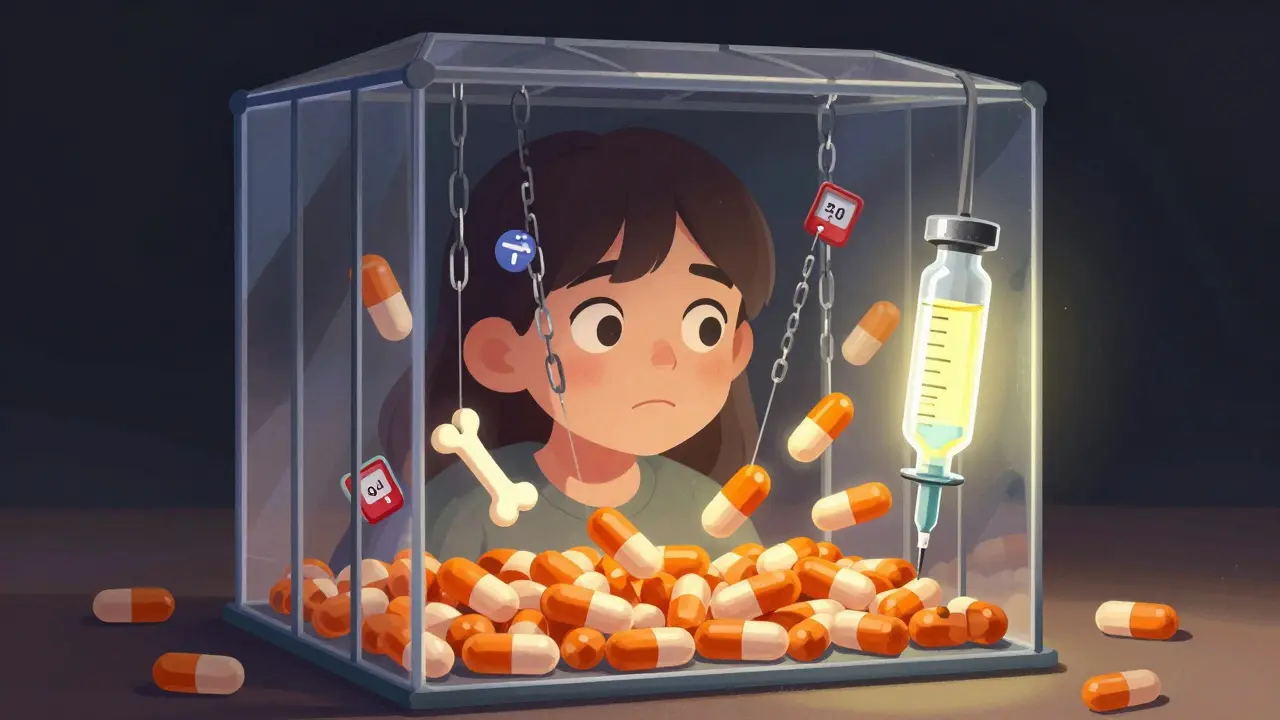
Oral Corticosteroid Burden in Severe Asthma: Proven Alternatives That Work
Oral corticosteroids help control severe asthma but come with dangerous long-term side effects. Learn about proven alternatives like biologics that reduce steroid dependence, lower hospitalizations, and improve quality of life.
Read more