
Author: Gina Lizet

Vitamin K Supplements and Warfarin: How to Keep Your INR Stable
Struggling with wild INR swings on Warfarin? Learn how low-dose Vitamin K supplements can stabilize your levels, reduce dangerous excursions, and improve TTR.
Read more
Prior Authorization for NTI Drugs: Why Insurers Require Brands and How to Navigate It
Navigating prior authorization for NTI drugs can be confusing. Learn why insurers require brand-name versions, which drugs are affected, and strategies to get coverage quickly in 2026.
Read more
How to Address Allergies to Inactive Ingredients in Generic Medications
Learn how to spot allergens in generic drugs like lactose, gluten, and dyes, and why the inactive ingredient list matters for your safety.
Read more
How to Request Translator Services for Medication Counseling
Learn how to legally request professional interpreter services for medication counseling at pharmacies. Know your rights, avoid dangerous errors, and get clear, accurate instructions for your prescriptions.
Read more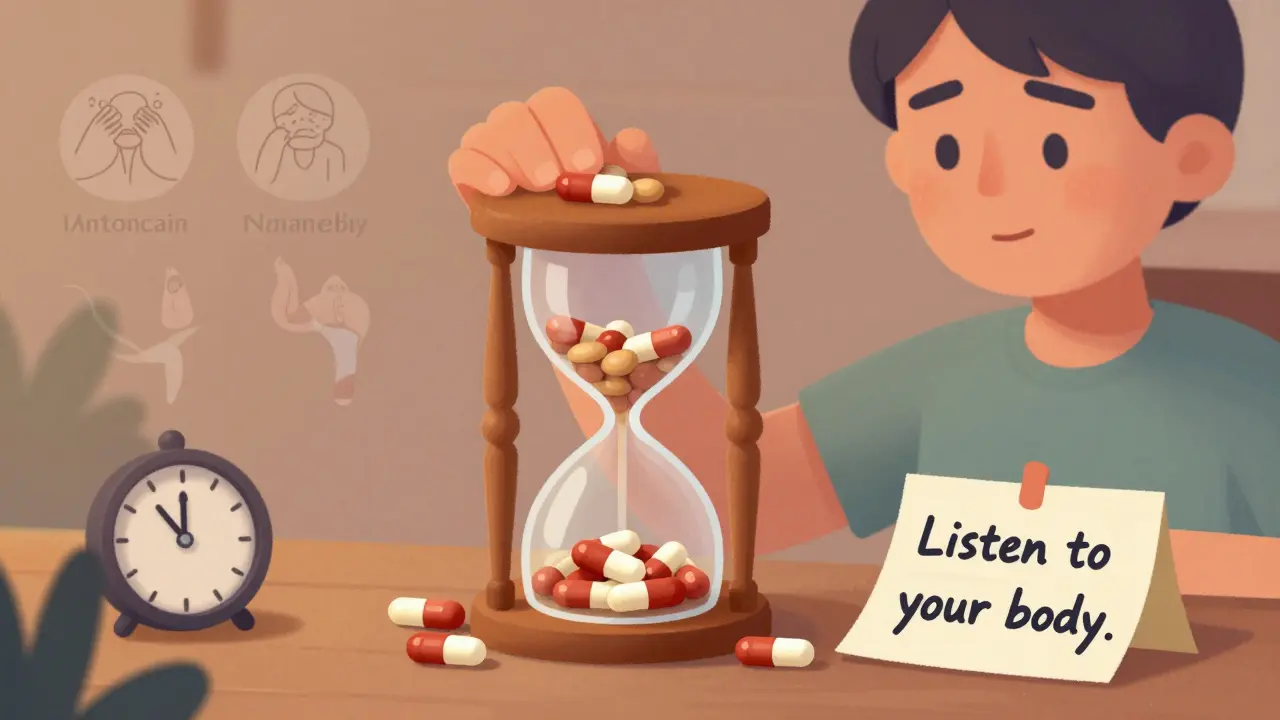
Tapering Opioids Safely: How to Reduce Side Effects and Withdrawal Symptoms
Learn how to safely reduce opioid doses to avoid withdrawal symptoms and side effects. Evidence-based strategies from the CDC and clinical studies show that slow, patient-led tapering improves pain, function, and safety.
Read more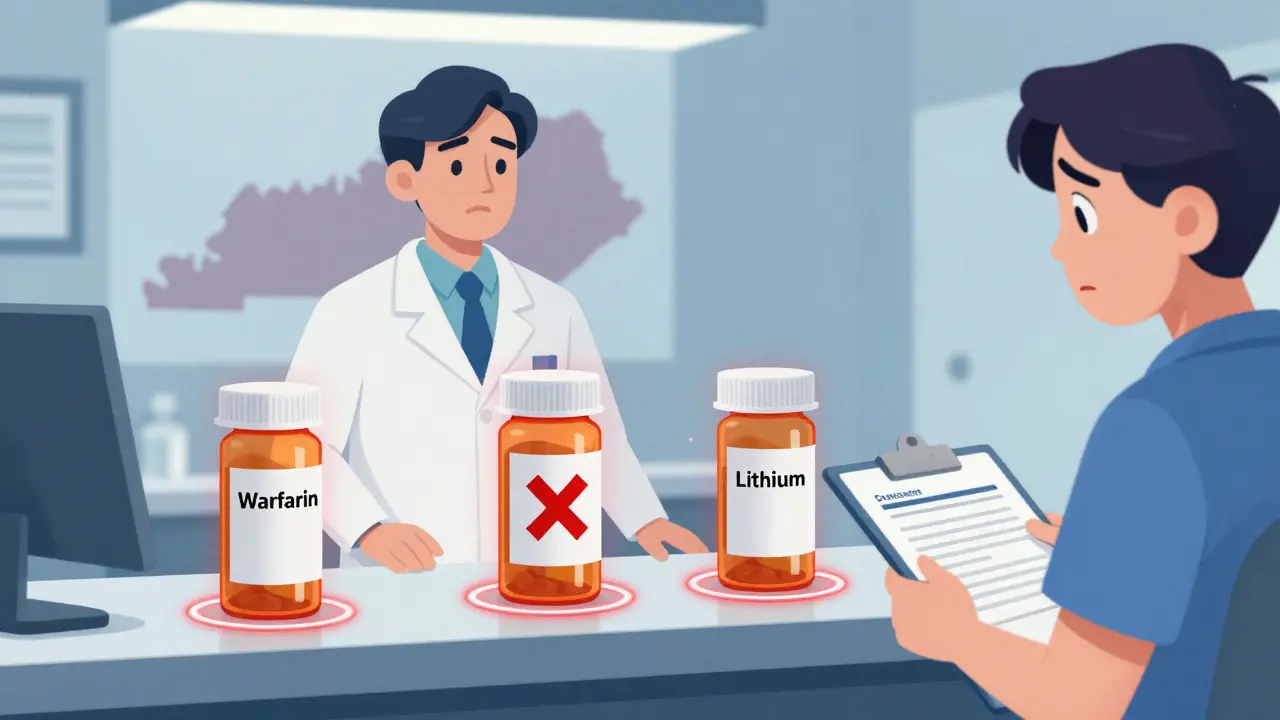
NTI-specific substitution laws: which states have special rules
Twenty-seven states have special rules blocking or restricting generic substitution for Narrow Therapeutic Index (NTI) drugs like warfarin and levothyroxine. These state laws override FDA guidelines and create a patchwork of requirements - from mandatory consent to outright bans.
Read more
Hashimoto’s Thyroiditis: Understanding Autoimmune Hypothyroidism and TSH Monitoring
Hashimoto’s thyroiditis is the leading cause of hypothyroidism in the U.S., affecting 4% of adults. TSH monitoring is the cornerstone of treatment, guiding levothyroxine dosing to restore normal thyroid function and prevent complications.
Read more
How Paragraph IV Patent Challenges Speed Up Generic Drug Entry
Paragraph IV under the Hatch-Waxman Act lets generic drug makers challenge brand patents to speed up affordable drug access. It’s how most generic drugs enter the market-and why prices drop so sharply.
Read more
How to Prepare for Pediatric Procedures with Pre-Op Medications
Learn how to safely prepare your child for surgery using pre-op medications, fasting rules, and anxiety-reducing strategies backed by pediatric anesthesia guidelines. Reduce fear, prevent complications, and ensure a smoother experience.
Read more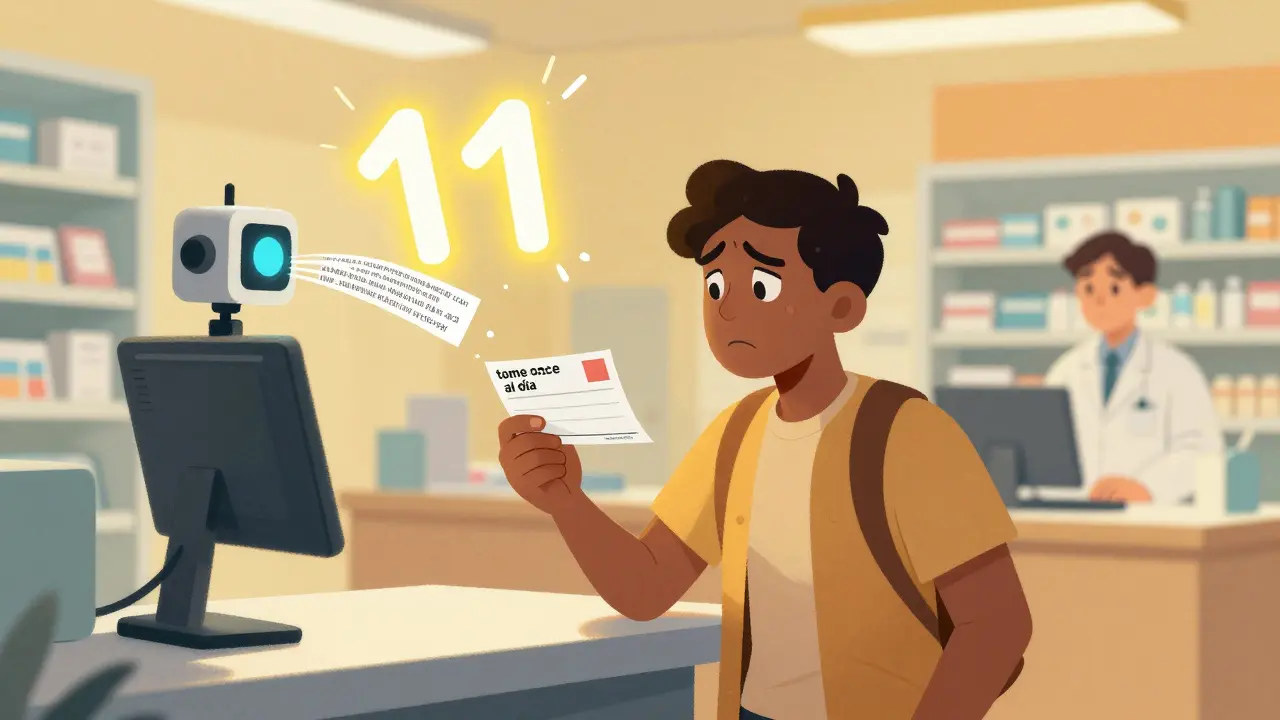
Common Translation Issues on Prescription Labels and How to Get Help
Millions of Americans struggle with mistranslated prescription labels, leading to dangerous medication errors. Learn why translation fails, how it harms patients, and what you can do to get accurate instructions.
Read more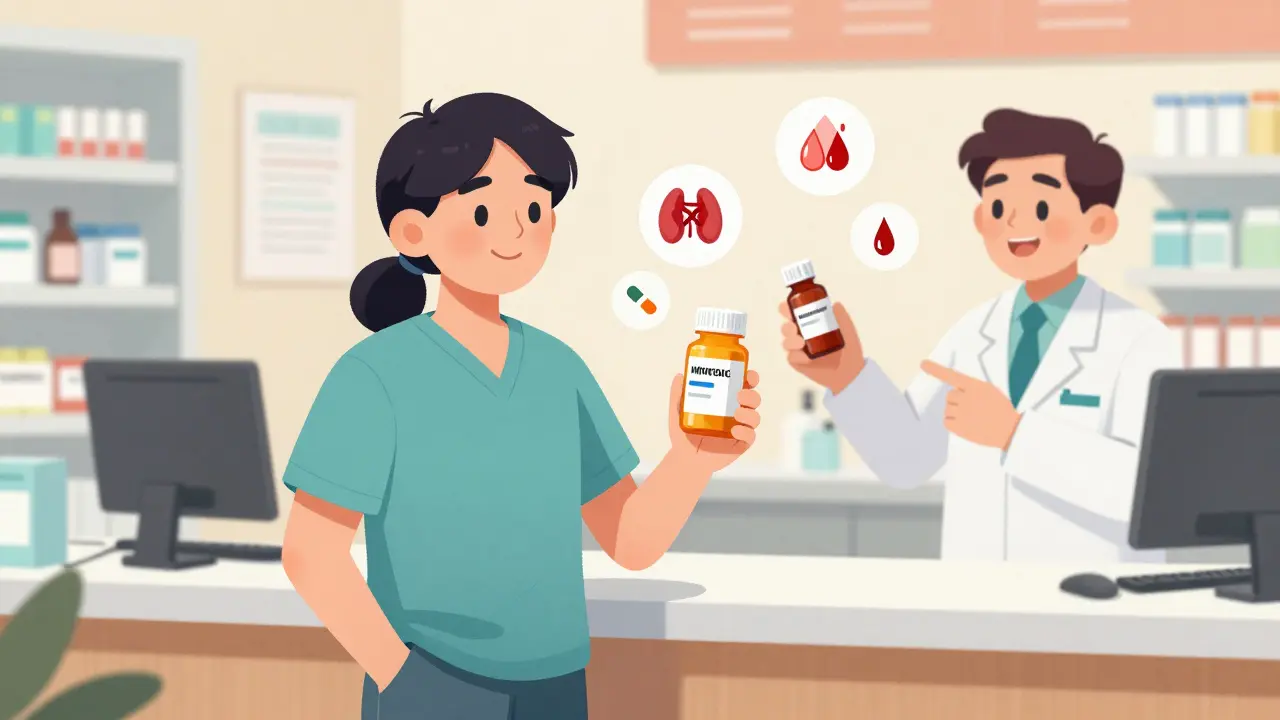
How to Communicate with Your Pharmacy During Generic Drug Transitions
When your medication switches to a generic, communication with your pharmacy is key. Learn how to prepare, what to watch for, and how to speak up if something feels off.
Read more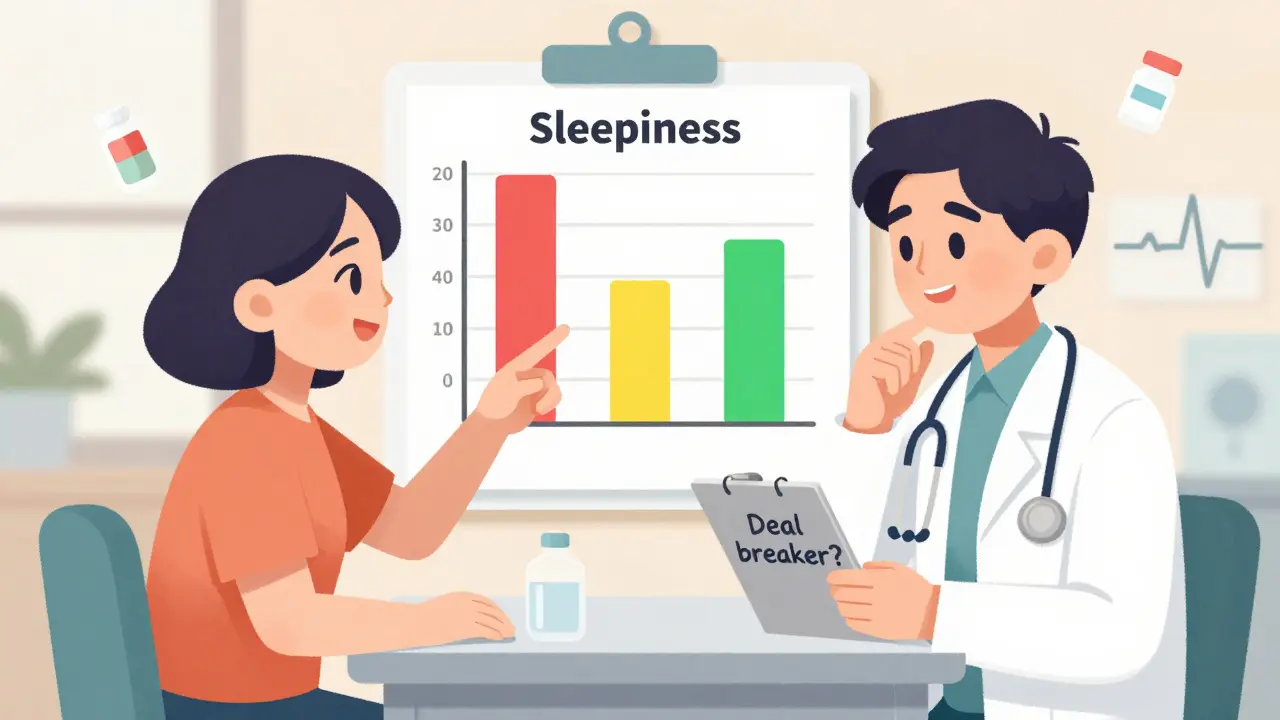
Shared Decision-Making Scripts for Side Effect Trade-Offs in Medication Choices
Shared decision-making scripts help patients and doctors weigh medication side effects together, leading to better adherence, fewer regrets, and more personalized care. Learn how clear communication and real numbers make a difference.
Read more