

When a child is scheduled for surgery or a procedure requiring sedation, the biggest worry for parents isn't just the surgery itself-it's how their child will handle the wait, the needles, and the unfamiliar environment. The good news? Pre-op medications are one of the most effective tools we have to make this process smoother, safer, and less traumatic. Used correctly, they can cut postoperative behavioral issues by nearly 40% and significantly reduce the chance of complications during anesthesia.
Why Pre-Op Medications Matter for Kids
Children aren't small adults. Their bodies process drugs differently. They have faster metabolisms, immature airway reflexes, and developing nervous systems that react strongly to stress. A 3-year-old facing an IV in a strange room can panic, cry uncontrollably, or even fight off caregivers. That stress doesn't just make the procedure harder-it raises the risk of breathing problems, low oxygen levels, and even vomiting during anesthesia.
Studies from the Royal Children’s Hospital in Melbourne show that kids who get proper pre-op sedation are 37% less likely to develop lasting anxiety or behavioral changes after surgery. At Children’s Hospital of Philadelphia, using a structured pre-medication protocol led to a 28% drop in anesthesia-related complications between 2020 and 2025. And parents? Their satisfaction scores jumped from 6.2 to 8.7 out of 10 when their child was calm and cooperative before the procedure.
Fasting Rules: What Your Child Can and Can’t Have
Before any sedation, your child must have an empty stomach. But the rules for kids are different-and often more flexible-than for adults.
- Clear liquids (water, Pedialyte, apple juice without pulp, Sprite, 7-Up): Allowed up to 2 hours before the procedure.
- Breast milk: Can be given up to 4 hours before.
- Milk or formula: Must stop 6 hours before.
- Solid foods: Nothing after midnight the night before (for kids over 12 months).
These timelines are based on Texas Children’s Hospital’s 2023 protocol and are widely adopted across U.S. children’s hospitals. Why the shorter fasting time for liquids? Kids empty their stomachs faster than adults. Holding them longer doesn’t make them safer-it just makes them hungrier, thirstier, and more anxious.
One common mistake? Parents think orange juice or milkshakes count as "clear liquids." They don’t. Pulp, fat, or dairy can delay emptying and increase aspiration risk. Stick to what’s listed. If you’re unsure, call the hospital. Better safe than sorry.
Common Pre-Op Medications and How They Work
There are three main types of pre-op medications used for children. Each has its place, depending on the child’s age, anxiety level, and medical history.
Oral Midazolam
This is the most common pre-op sedative. It’s sweet-tasting, easy to swallow, and works in 20-30 minutes. The dose? 0.5 to 0.7 mg per kilogram of body weight, with a max of 20 mg. For example, a 20 kg (44 lb) child would get 10-14 mg.
Midazolam calms the brain without knocking the child out. Most kids become drowsy, quiet, and cooperative. In studies at RCH Melbourne, nurses saw a drop in anxiety scores from 8.2 to 3.1 on the Modified Yale Preoperative Anxiety Scale after giving oral midazolam.
Intranasal Midazolam
For kids who refuse to swallow or have vomiting risks, this option is sprayed into each nostril. Dose: 0.2 mg per kg, max 10 mg total. It works faster-within 10-15 minutes-and is just as effective. But about 12% of children get nasal irritation or a burning sensation, so it’s not ideal for kids with chronic congestion or nasal surgery.
Intramuscular Ketamine
This is reserved for kids who are extremely anxious, have developmental delays, autism, or won’t cooperate with oral or nasal meds. Given as a shot in the thigh, it takes 3-5 minutes to kick in. The dose is 4-6 mg per kg. Unlike midazolam, ketamine doesn’t make kids sleep-they enter a dreamlike state where they’re detached but still breathing on their own. Parents often report their child seems "peaceful but awake," which helps with the transition to the operating room.
But there’s a catch: 8-15% of kids experience emergence delirium-confusion, crying, or thrashing-when they wake up. That’s why ketamine is usually given in a controlled setting with trained staff ready to manage side effects.

Special Cases: What to Do If Your Child Has Other Conditions
Not every child is the same. Some medications need to keep going. Others need to stop.
- Seizure medications (like phenytoin, levetiracetam): Keep giving them with a sip of water on the day of surgery. Stopping these can trigger seizures.
- Acid reflux meds (PPIs like omeprazole, H2 blockers like famotidine): Continue as usual. They reduce stomach acid and lower the risk of aspiration.
- Asthma inhalers (albuterol): Use them as scheduled the morning of surgery. Studies at CHOP show this cuts intraoperative bronchospasm by 40%.
- GLP-1 agonists (like semaglutide, exenatide): If your child is on these for weight management or diabetes, they must be stopped 1 week before (semaglutide) or 3 days before (exenatide). These drugs slow stomach emptying and raise aspiration risk.
Also, avoid nitrous oxide (laughing gas) in kids with severe asthma or pulmonary hypertension. It can trigger 25-30% more airway reactivity, according to StatPearls 2020 guidelines.
Preparing Your Child (and Yourself)
Medication alone isn’t enough. Preparation starts hours before the hospital visit.
Start talking to your child 24 hours ahead. Use simple words: "The doctor is going to give you a special drink to help you sleep so you won’t feel anything." Don’t say "shot" or "needle" unless necessary. Bring a comfort item-a stuffed animal, blanket, or tablet with their favorite show.
At the hospital, ask for a quiet room away from the noisy pre-op area. Many hospitals now have child life specialists who use play therapy to explain the procedure. Ask for one. They reduce anxiety better than any drug.
For children with autism or developmental delays, some hospitals use clonidine (a blood pressure medication) 4 hours before surgery at 4 mcg per kg. It helps calm the nervous system without deep sedation. RCH Melbourne data shows 40% of these kids need this adjusted approach.
Pitfalls to Avoid
Even with great guidelines, mistakes happen. Here are the most common ones:
- Delaying the pre-op med: Giving it too late means it won’t work. Aim for 20-30 minutes before transport.
- Incorrect dosing: Dosing by age instead of weight is a major error. Always confirm weight in kilograms.
- Stopping seizure meds: This is the #1 preventable medication error. Double-check with your neurologist.
- Confusing "clear liquids": Orange juice, smoothies, and milk don’t count. Stick to water, apple juice, or Pedialyte.
- Skipping the pre-op checklist: Hospitals use checklists for a reason. Ask to see it. Confirm fasting time, meds, allergies, and weight.
According to the American Society of Anesthesiologists, 17% of hospitals report at least one pre-op medication error every month. Most are preventable with clear communication and double-checking.
What Happens After the Medication?
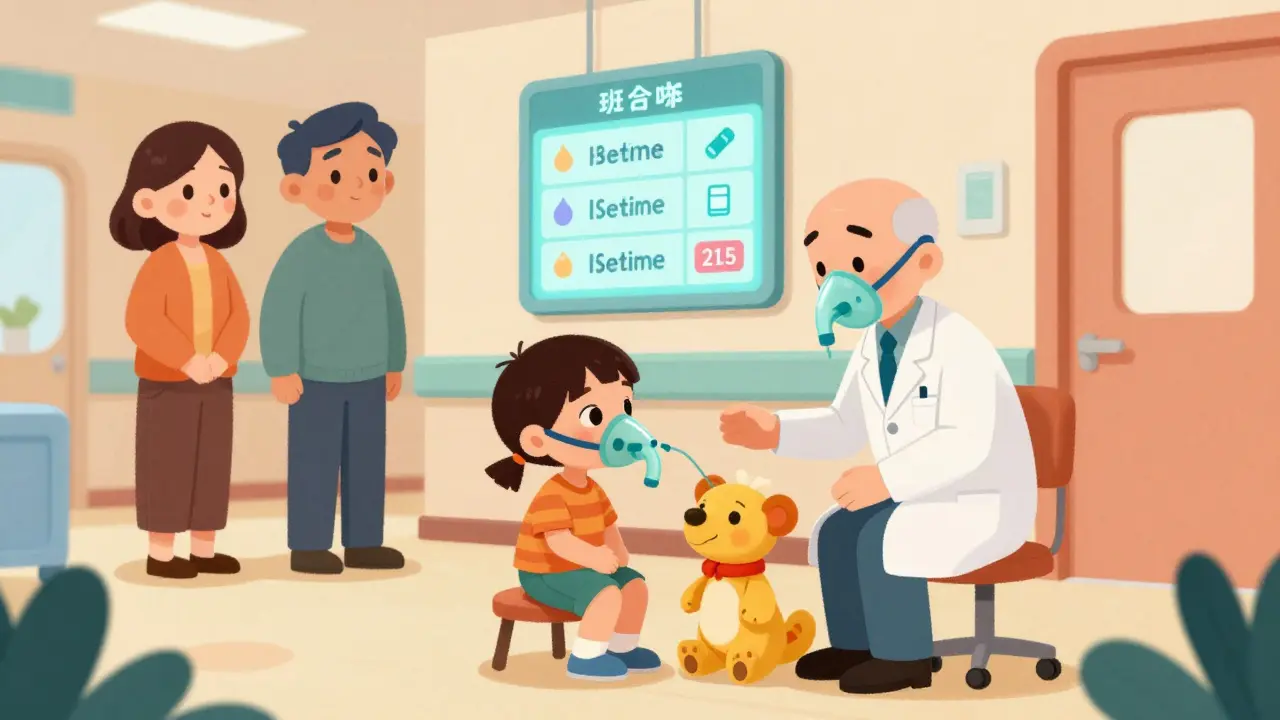
Once your child gets the pre-op med, they’ll likely get sleepy within 15-30 minutes. They might giggle, feel dizzy, or just zone out. That’s normal. Don’t force them to stay awake. Let them rest. Keep them close-many hospitals allow one parent to stay with the child until they’re taken to the OR.
When they’re wheeled away, you’ll be given a time to wait. Most procedures for kids are outpatient and take under an hour. Recovery usually happens in a quiet room, not the busy ER. Your child may be groggy, cry a little, or be clingy. That’s not pain-it’s the medication wearing off. Comfort, cuddles, and a quiet environment help them recover faster.
What to Ask Before the Day of Surgery
Don’t wait until the day of surgery to get answers. Call ahead and ask:
- "What exact medication will my child get, and how much?"
- "Will my child get it orally, nasally, or by shot?"
- "Should I continue my child’s regular medications?"
- "Can I stay with my child until they fall asleep?"
- "Do you have a child life specialist available?"
If they can’t answer clearly, ask to speak with the anesthesiologist. You have the right to understand the plan.
Looking Ahead: What’s New in Pediatric Pre-Op Care
The field is evolving fast. In 2025, CHOP updated its guidelines to recommend 20% higher midazolam doses for children with obesity-standard doses weren’t working for 35% of these kids. New AI tools are being tested to calculate dosing based on genetic factors that affect how drugs are metabolized. Mobile apps now let parents schedule pre-op meds, track fasting times, and get reminders.
But the biggest change? Recognition that pre-op preparation isn’t just about drugs. It’s about reducing fear, building trust, and involving families. The hospitals that succeed most aren’t the ones with the fanciest meds-they’re the ones who treat the child as a whole person, not just a procedure.
Can my child have candy or gum before surgery?
No. Any solid food, including candy or gum, counts as a solid. It must be avoided after midnight. Even chewing gum can stimulate stomach acid and delay emptying. Stick to clear liquids only up to 2 hours before.
What if my child gets sick the day before surgery?
Call the hospital immediately. A fever, cough, or runny nose may mean the procedure should be delayed. Children with respiratory infections have a higher risk of breathing problems during sedation. Most hospitals have a 24-hour hotline for this exact situation.
Is it safe to give my child a bath before surgery?
Yes. Bathing is fine and even encouraged to reduce infection risk. Just avoid letting them drink water while bathing. If they accidentally swallow a little, it’s not a problem-unless they’ve been told to stop all liquids less than 2 hours before.
Can I bring my other kids to the hospital?
It’s best not to. The pre-op area can be overwhelming for young children. If you must bring siblings, ask if the hospital has a waiting room with toys or a child life specialist who can help distract them. But plan to have another adult care for them during the procedure.
What if my child refuses to take the medicine?
Tell the nurse right away. There are alternatives: intranasal spray, a different flavor, or even a shot. Some hospitals offer numbing spray for the nose before intranasal midazolam. Never force it-this increases trauma. The team will adjust the plan.
Betsy Silverman
March 1, 2026 AT 18:16My daughter had her tonsillectomy last year and they gave her oral midazolam. She was giggling and holding her stuffed bear like it was a concert. We were allowed to stay with her until she drifted off - that alone made the whole experience bearable. I wish more hospitals allowed that. It’s not just about the meds, it’s about keeping the human connection.
Mike Dubes
March 3, 2026 AT 00:17So many parents panic about fasting rules. I read this and thought, ‘Wait, apple juice is okay up to 2 hours?’ My kid’s pediatrician said ‘nothing after midnight’ and I almost gave her a juice box at 11:55pm thinking I was being ‘safe.’ Turns out, she was just dehydrated and miserable. This article saved us.
Gretchen Rivas
March 4, 2026 AT 22:10GLP-1 agonists need to be stopped 1 week before? That’s huge. My niece was on semaglutide and they didn’t tell us until the day before. We had to reschedule. Don’t assume everyone knows this.
Dean Jones
March 5, 2026 AT 15:38There’s a deeper philosophical layer here that most people miss. We treat children as biological systems to be optimized - fluids in, drugs in, sedation timed, output monitored. But the real innovation isn’t in midazolam dosing or fasting windows. It’s in recognizing that a child’s trauma isn’t measured in oxygen saturation or anxiety scales - it’s measured in how many times they looked at their parent before being wheeled away and saw fear instead of calm. The most effective pre-op medication isn’t pharmacological. It’s presence. Consistency. A voice that says, ‘I’m still here.’ That’s the real breakthrough.
Zacharia Reda
March 6, 2026 AT 22:38They say ketamine causes emergence delirium in 8-15% of kids. But honestly, how many of those cases are just parents panicking because their kid woke up smiling and confused? My nephew was giggling and trying to high-five the anesthesiologist. We thought he was having a seizure. Turns out he was just… happy. Maybe we need to redefine ‘bad reaction’.
Alex Brad
March 7, 2026 AT 18:50Child life specialists are underrated. My son had autism and refused all meds. The specialist used a visual schedule with pictures of the OR, the mask, the bed. He walked in holding her hand. No drugs needed. Just clarity.
Renee Jackson
March 9, 2026 AT 13:50Thank you for this comprehensive guide. As a pediatric nurse, I see parents overwhelmed by misinformation daily. This is the kind of resource we wish we could hand out to every family. I’ve already shared it with our pre-op education team.
Ethan Zeeb
March 10, 2026 AT 00:44Did anyone else notice they didn’t mention dexmedetomidine? It’s becoming standard in many pediatric ICUs for high-anxiety cases. Less emergence delirium than ketamine, no respiratory depression. Maybe it’s not for every hospital yet, but it’s worth asking about.
Stephen Vassilev
March 11, 2026 AT 20:32Wait - so we’re trusting hospitals to give sedatives to children based on ‘studies from Melbourne’ and ‘CHOP guidelines’? Who funds these studies? Are the anesthesiologists on pharma payrolls? Did you know that midazolam was originally developed as a military sedative for combat trauma? And now we’re giving it to toddlers because ‘it’s sweet-tasting’? This is a system that prioritizes efficiency over ethics. I’m not letting my kid near a pre-op med unless I’ve reviewed every clinical trial in PubMed.
Callum Duffy
March 13, 2026 AT 03:44Interesting how the article emphasizes parental presence as a key factor. In the UK, we’ve had policies since 2018 allowing one parent in the induction room. It’s not just comfort - it’s neurodevelopmental safety. Kids who see a familiar face during transition have lower cortisol spikes. The science is clear. Why isn’t this universal?
Divya Mallick
March 14, 2026 AT 16:50As an Indian mother, I find this article extremely Western-centric. In our culture, we believe in prayer, japa, and the power of ancestral blessings before surgery. We don’t rely on ‘sweet-tasting drugs’ - we chant mantras and apply turmeric paste on the forehead. Why isn’t this acknowledged? Is modern medicine afraid of spirituality? The system ignores holistic healing because it can’t quantify it - but we know it works.
Pankaj Gupta
March 15, 2026 AT 01:10Correction: The dose for intranasal midazolam is 0.2 mg/kg, not 0.2 mg/kg per nostril. Total dose is capped at 10 mg regardless of nostril administration. Many clinicians misinterpret this and risk overdose. This is a critical clarification.
John Smith
March 16, 2026 AT 06:55They say ketamine makes kids ‘peaceful but awake’? Nah. My kid looked like he was on a hallucinogenic retreat. He started talking to the ceiling like it was his therapist. ‘I see the dragons, Mom.’ We didn’t know if it was the drug or if he’d been watching too much Avatar. The hospital laughed. We didn’t.
Megan Nayak
March 16, 2026 AT 21:48Let’s be real - this whole system is designed to make hospitals run smoother, not to care for children. They push meds to make kids ‘cooperative’ so nurses don’t have to deal with crying. They shorten fasting times not because it’s safer - but because hungry kids slow down the OR schedule. This isn’t medicine. It’s logistics disguised as care.