
PharmaInsight: Your Guide to Medicines and Health Choices
Confused about a prescription? Unsure if an online pharmacy is legit? Or just want honest info about the meds you take? PharmaInsight makes things simple. Here you’ll find practical facts on medications, straight talk on side effects, and guides on everything from the newest supplements to smart ways to manage conditions like diabetes or asthma.
We’re here for real questions—no medical jargon or sales pitches—and we update guides with the latest research. Whether you’re checking a drug’s risks, searching for safe alternatives, or curious about health tech, you’re in the right spot. Dive in and take control of your healthcare decisions today.
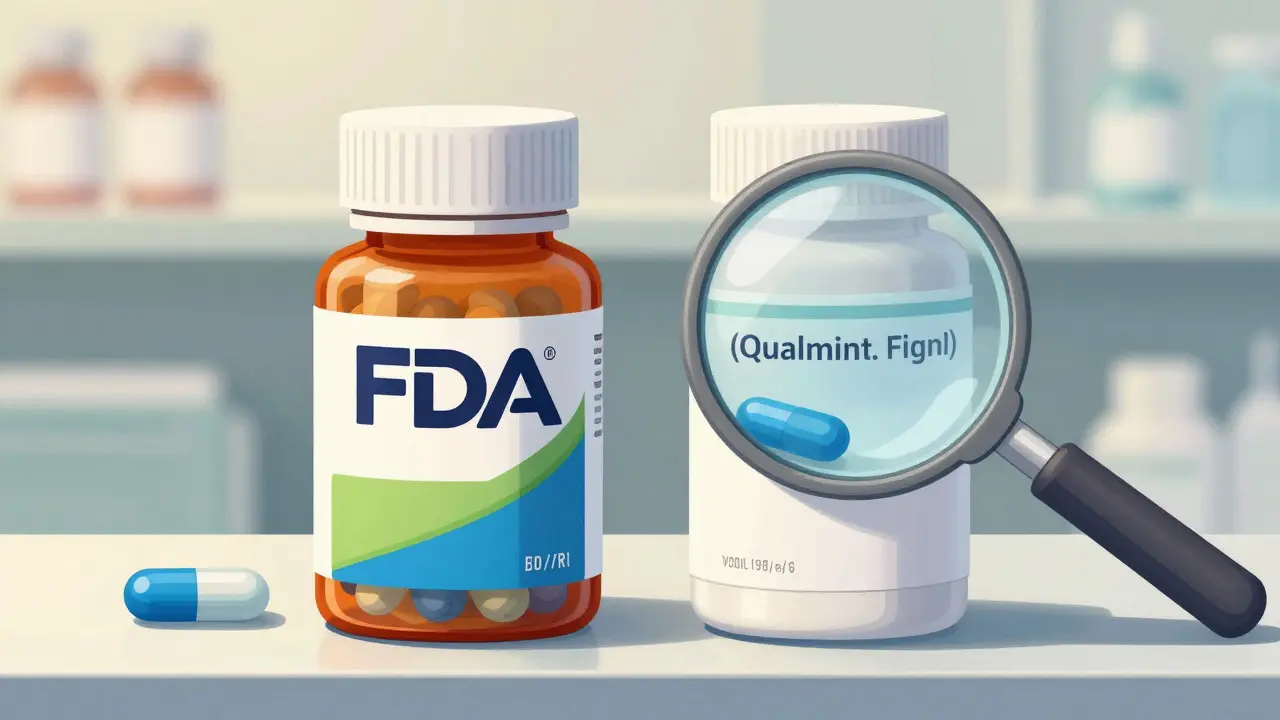
Authorized Generics vs Brand Drugs: What You Need to Know About Identical Medications
Authorized generics are the exact same drugs as brand-name medications, made by the same company with identical ingredients. Learn how they differ from regular generics, why they cost less, and when to ask for them at the pharmacy.
Read more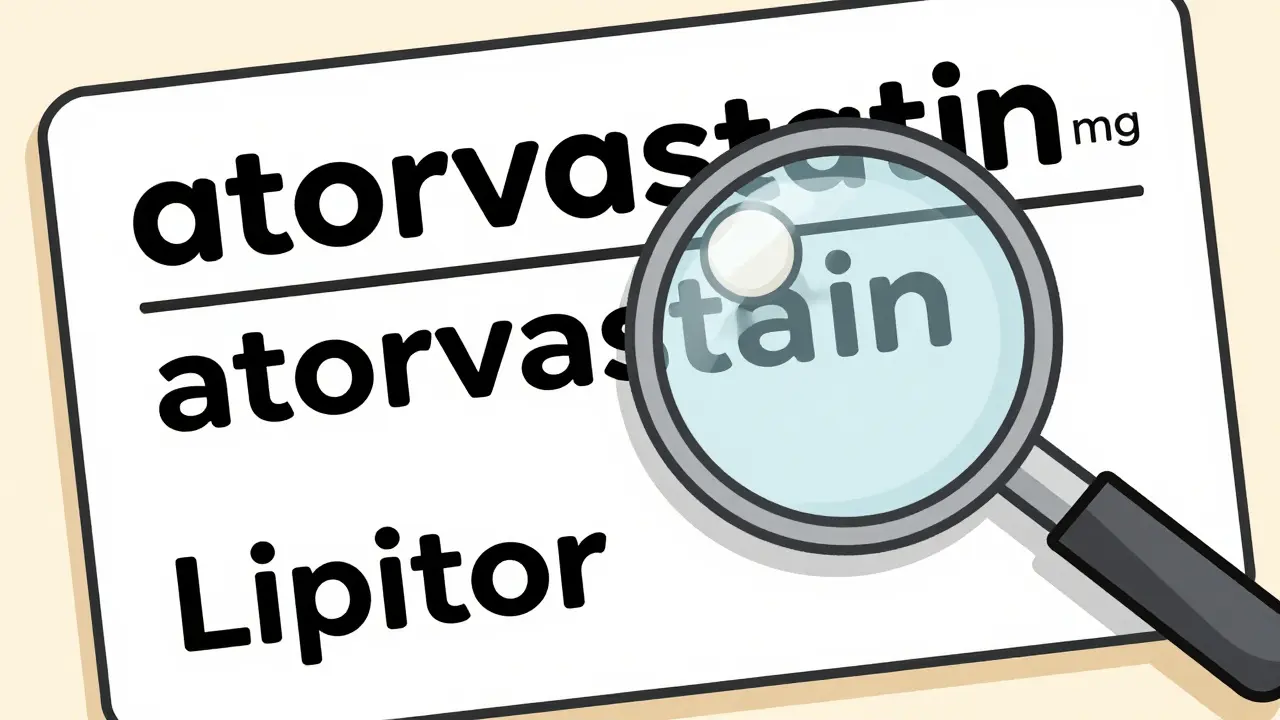
What Each Part of Your Rx Medication Label Means for Patients
Understand every part of your prescription label-from your name to the expiration date-to avoid dangerous mistakes. Learn what each section means and how to use it for safer medication use.
Read more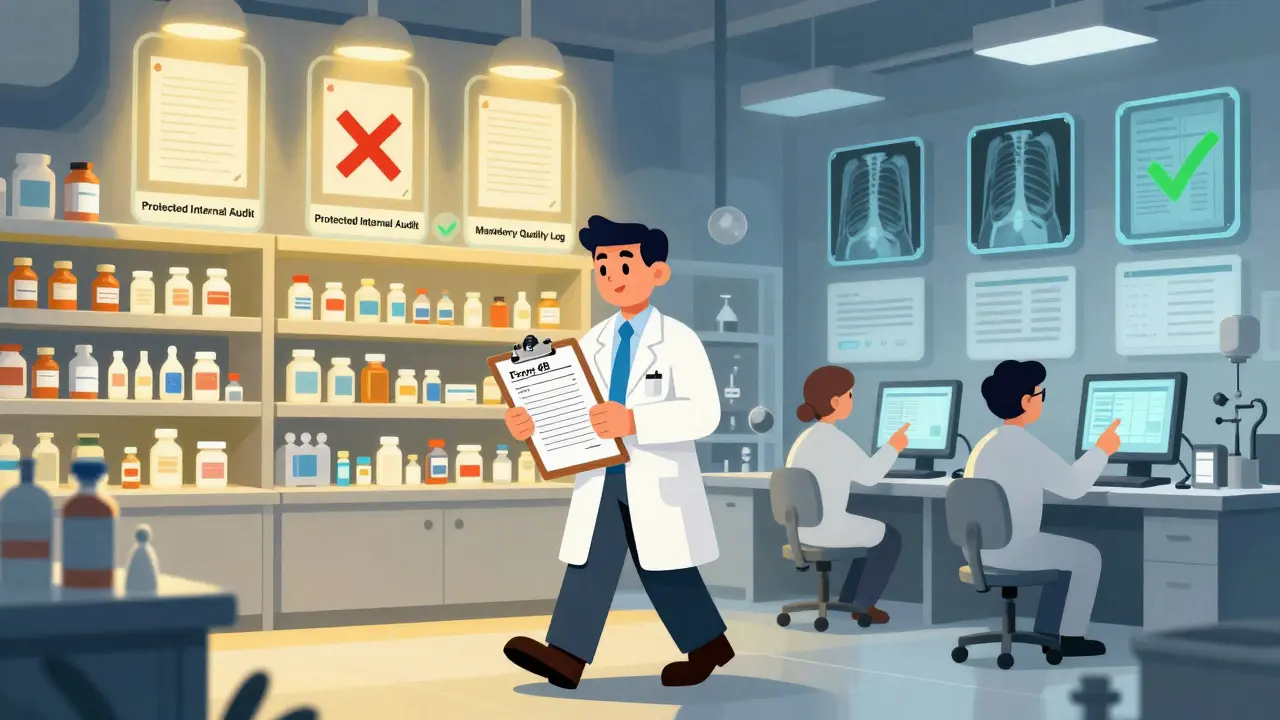
Manufacturing Transparency: How to Access FDA Inspection Records for Drug and Device Factories
Learn how FDA inspection records work, what manufacturers must disclose, and why transparency in drug and device production matters for public safety. Understand Form 483, CGMP rules, and how unannounced inspections are changing the game.
Read more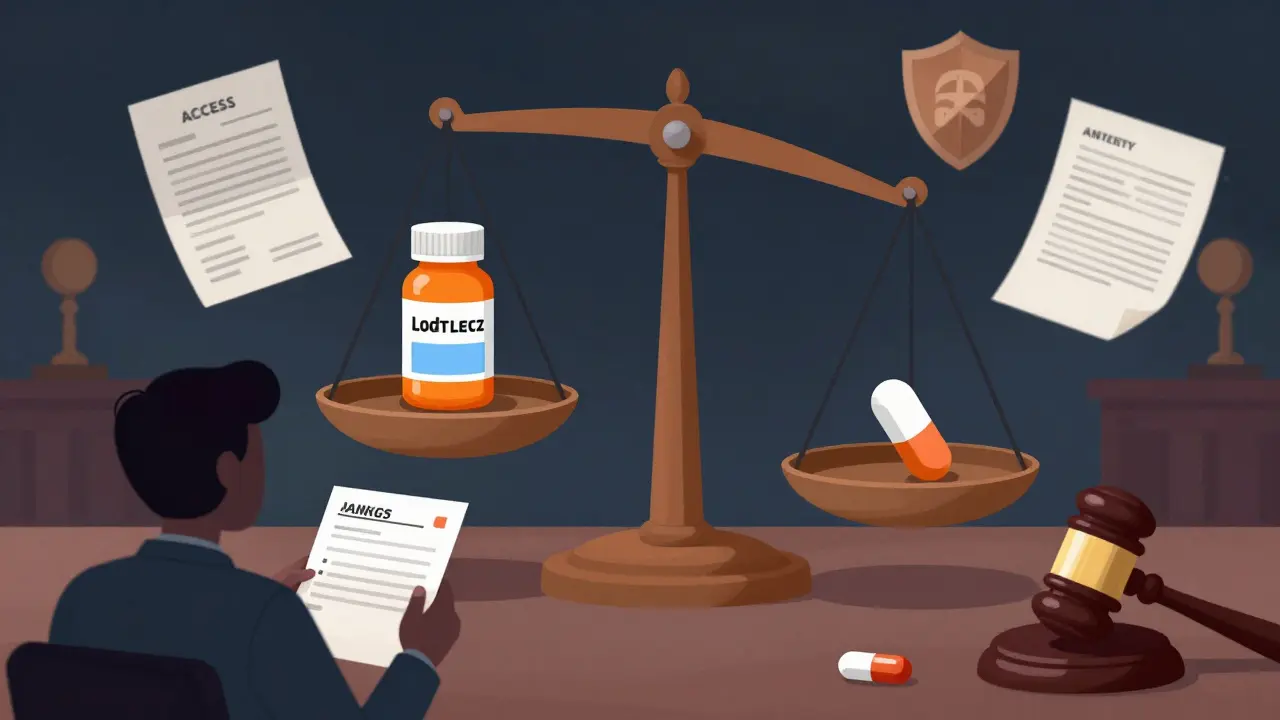
Generic Patent Case Law: Landmark Court Decisions That Shape Drug Access
Landmark court decisions in generic patent law shape whether affordable drugs reach patients. Key rulings like Amgen v. Sanofi and Allergan v. Teva are redefining how patents are challenged and enforced in the pharmaceutical industry.
Read more
How to Store Insulin and Biologics During Long Flights: A Practical Guide
Learn how to safely store insulin and biologics during long flights with proven methods, temperature guidelines, and airline tips to avoid dangerous medication damage while traveling.
Read more
Restless Legs and Akathisia from Medications: How to Tell Them Apart and What to Do
Akathisia and restless legs syndrome both cause leg restlessness but have different causes and treatments. Learn how to tell them apart, why misdiagnosis is dangerous, and what to do if you're on antipsychotics or other triggering medications.
Read more
How to Use Compounded Medications for Children Safely
Compounded medications for children can be lifesaving-but only if used safely. Learn how to verify dosing, choose accredited pharmacies, and avoid deadly errors with custom-formulated drugs.
Read more
Acarbose and Miglitol: How to Manage Flatulence and GI Side Effects
Learn how to manage gas, bloating, and GI side effects from acarbose and miglitol with proven dose titration, dietary tips, and OTC solutions that actually work-without quitting the medication.
Read more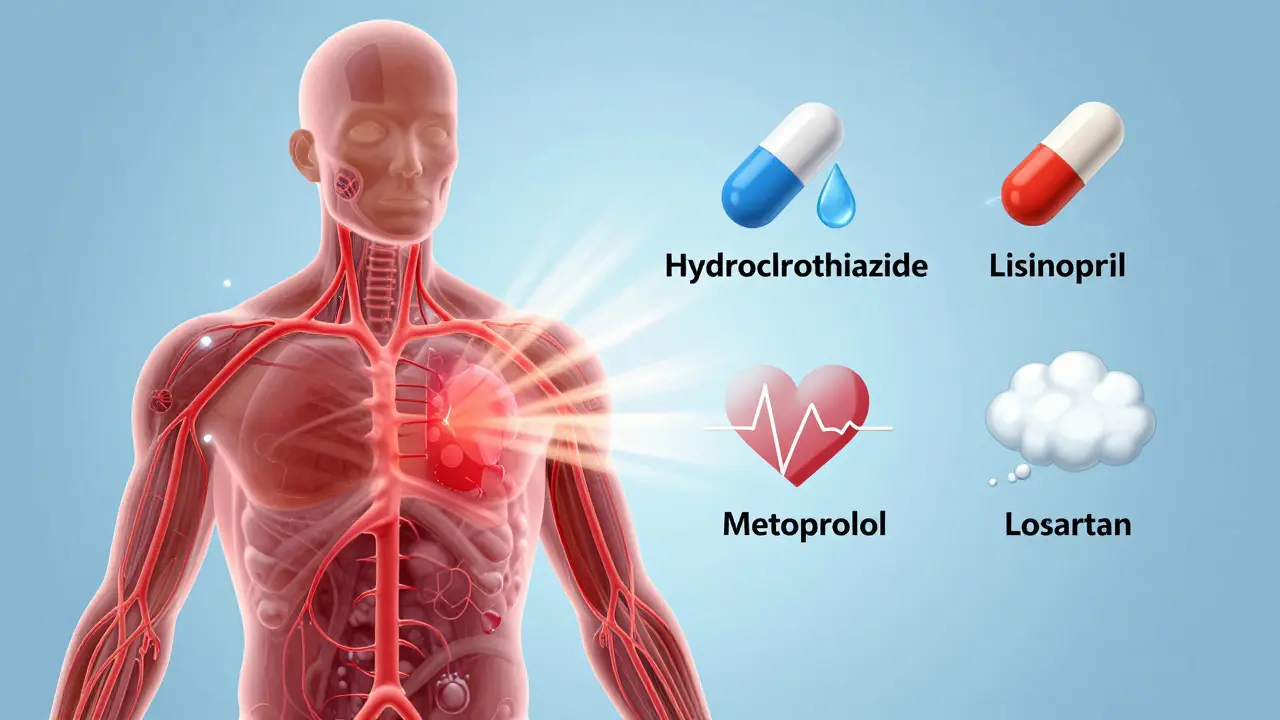
Blood Pressure Medications: Types, Side Effects, and Safety
Learn the most common blood pressure medications, their side effects, and safety tips. Understand why certain drugs are chosen based on your health and how to avoid dangerous interactions.
Read more
ACE Inhibitor Angioedema: How to Recognize Swelling as a Drug Reaction
ACE inhibitor angioedema is a dangerous, often misdiagnosed drug reaction causing sudden facial or throat swelling. Unlike allergies, it doesn't respond to epinephrine or antihistamines. Learn how to recognize it, what actually works, and why stopping the drug is the only cure.
Read more
GLP-1 Agonists and Weight Loss: How These Diabetes Drugs Are Changing Obesity Treatment
GLP-1 agonists like Ozempic and Wegovy were designed for diabetes but now lead the weight loss revolution. Learn how they work, who benefits most, their surprising brain and heart perks, and the real costs and side effects.
Read more
Statin-Induced Muscle Pain: Understanding Myalgia and Myositis
Statin-induced muscle pain affects up to 30% of users, ranging from mild myalgia to severe immune-mediated myositis. Learn the differences, warning signs, and what to do if you're experiencing muscle weakness or pain while on statins.
Read more