
Health Conditions: Your Everyday Guide to Symptoms, Relief, and Smart Choices
Ever wonder if your weird rash is more than just a skin thing? Or worry if that chest pain could be serious? When health problems hit, answers shouldn’t be hard to find—or full of jargon that leaves you confused. That’s where this page comes in. We break down common health conditions like lupus, diabetes, rosacea, and even the often-misunderstood food poisoning, in plain English. No sugarcoating, no run-arounds—just practical, real advice you can use when things get bumpy.
For example, not all lupus is the same. Discoid lupus mainly affects your skin, while systemic lupus can hit organs and joints. Knowing the signs, differences, and when you actually need a doctor makes a real difference. Same deal with diabetes meds: heard of Glucovance? Plenty of people have questions about side effects, who it’s right for, and how it fits into a daily routine. We get straight to what matters—like what to expect and how to stay safe day to day.
Taking care of your skin? It’s not just about fancy creams. Serious sunburn can be a massive deal if you have rosacea or sensitive skin. We pull from real cases and dermatologist advice so you get specific tips—think best after-sun care, smart ingredient picks, and surefire ways to calm down redness fast.
Who hasn’t dealt with irritating skin issues, like chafing when you’re sweaty? Discover how the right clothes, a little prep, or smarter deodorant choices make life less annoying. Then there’s the quiet stuff—urinary retention as you get older, or controlling psoriasis flare-ups before they wreck your weekend. This isn’t just data; it’s hands-on advice, backed by solid research and real-world experience.
Ever been stuck without your usual asthma rescue inhaler? Don’t panic—there are emergency alternatives, and here you’ll find what works, how much to use, and what doctors actually recommend when things go sideways. We dig up the answers, so you don’t have to guess.
If you’re looking for straight talk, fast facts, and tips you’ll actually use, you’re in the right place. Flip through these articles whenever a new symptom or medication leaves you stumped. Consider it your practical roadmap for tackling the twists and turns of everyday health—without the headache.

Hashimoto’s Thyroiditis: Understanding Autoimmune Hypothyroidism and TSH Monitoring
Hashimoto’s thyroiditis is the leading cause of hypothyroidism in the U.S., affecting 4% of adults. TSH monitoring is the cornerstone of treatment, guiding levothyroxine dosing to restore normal thyroid function and prevent complications.
Read more
Uveitis: Eye Inflammation, Causes, and Steroid Therapy
Uveitis is a serious eye inflammation that can lead to vision loss if untreated. Learn the types, causes, and why steroid therapy is critical-plus what happens if you ignore the symptoms.
Read more
Peripheral Neuropathy: Causes, Symptoms, and Effective Pain Management
Peripheral neuropathy involves nerve damage causing pain, numbness, and weakness. Common causes include diabetes, vitamin deficiencies, and chemotherapy. Effective treatments include medications, physical therapy, and lifestyle changes. Early diagnosis improves outcomes. Learn about managing symptoms and current research advances.
Read more
Financial Toxicity in Cancer Care: How Treatment Costs Are Breaking Patients and What to Do About It
Financial toxicity in cancer care means patients face crushing costs that force them to skip treatments, go into debt, or choose between medicine and basic needs. Here's what it is, who it affects, and what you can do.
Read more
Medical Weight Management: Clinics, Medications, and Monitoring
Medical weight management combines clinics, FDA-approved medications like Wegovy and Zepbound, and ongoing monitoring to treat obesity as a chronic disease. Learn how it works, who qualifies, and why it’s more effective than diet programs.
Read more
Physical Dependence vs Addiction: Clarifying Opioid Use Disorder
Physical dependence on opioids is common and normal with long-term use - but it's not addiction. Learn the key differences between dependence and Opioid Use Disorder, how to recognize each, and what treatment actually works.
Read more
Gestational Diabetes: How to Manage Blood Sugar During Pregnancy
Learn how to manage blood sugar during pregnancy with gestational diabetes through diet, exercise, monitoring, and when medication is needed. Reduce risks to you and your baby with proven, practical strategies.
Read more
Child and Adolescent Depression: How Family Therapy and Medications Work Together
Family therapy and SSRIs like fluoxetine and escitalopram are the most effective treatments for child and adolescent depression. Combined, they reduce symptoms faster and lower suicide risk. Learn how they work, when to use each, and what families need to know.
Read more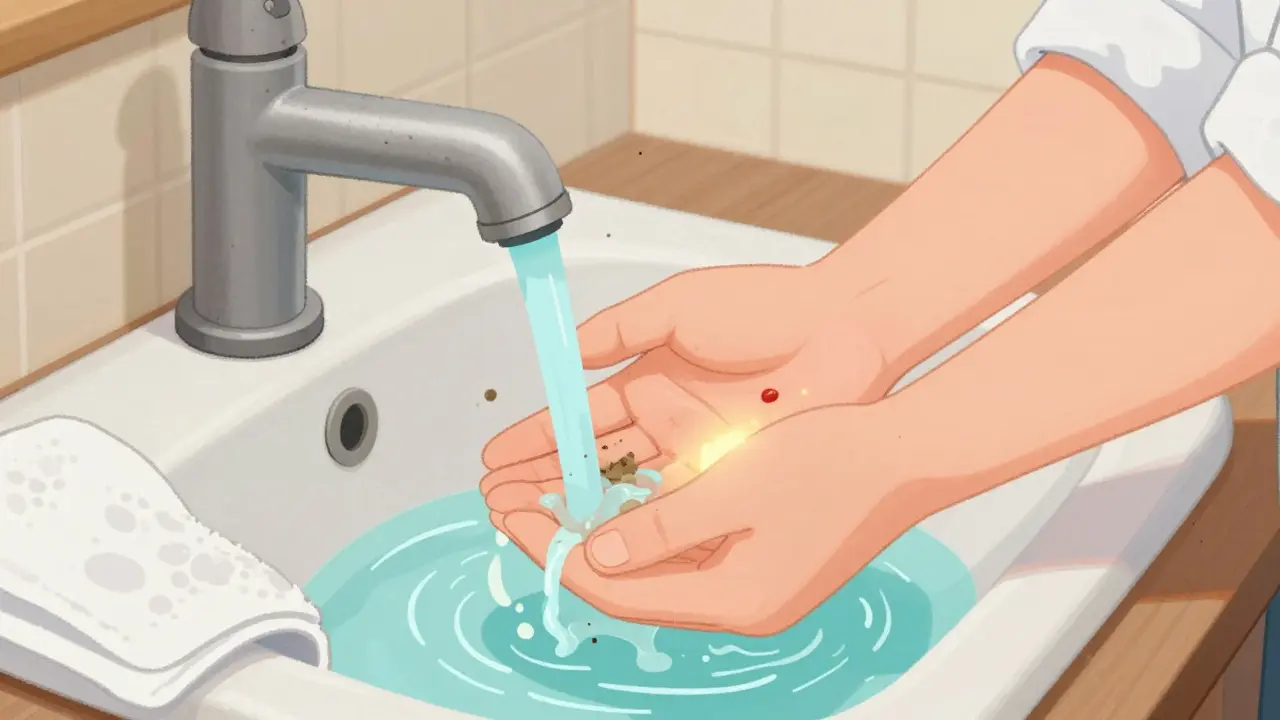
Wound Care Basics: How to Clean, Dress, and Prevent Scars Properly
Learn how to clean wounds properly, choose the right dressings, and prevent scars using science-backed methods. Avoid common mistakes that delay healing and increase infection risk.
Read more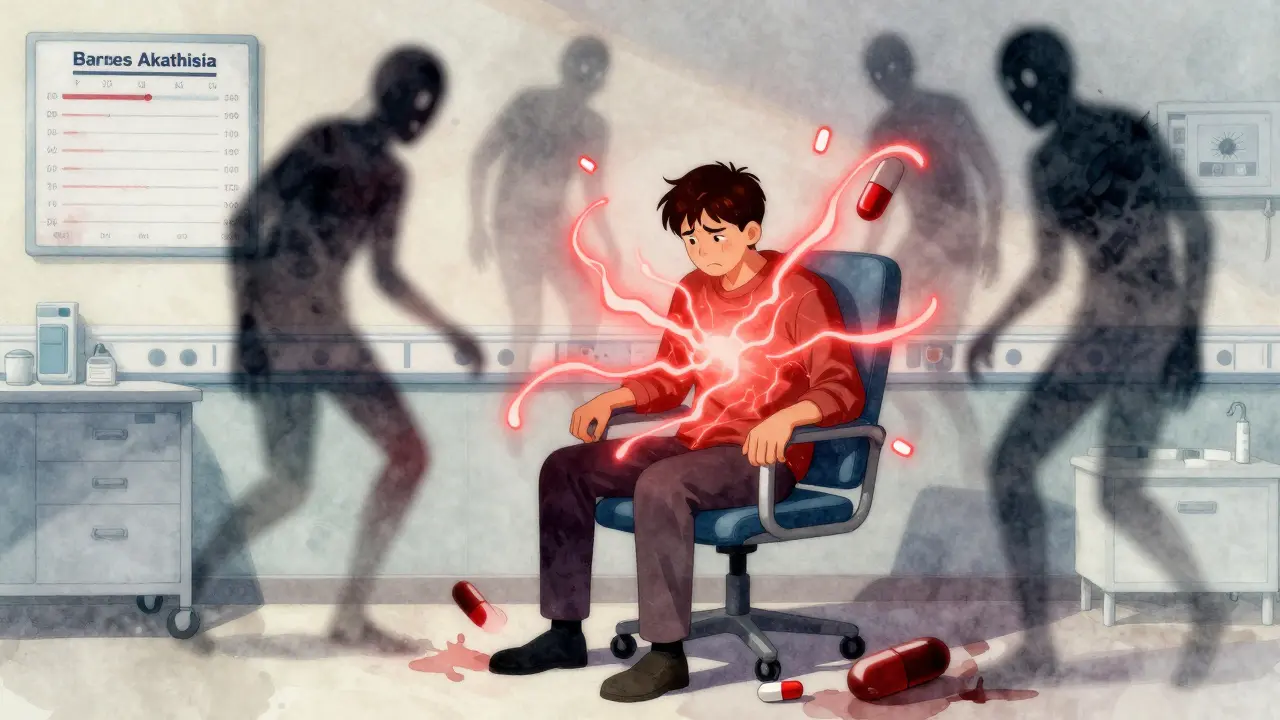
Restless Legs and Akathisia from Medications: How to Tell Them Apart and What to Do
Akathisia and restless legs syndrome both cause leg restlessness but have different causes and treatments. Learn how to tell them apart, why misdiagnosis is dangerous, and what to do if you're on antipsychotics or other triggering medications.
Read more
Allergen Avoidance: Environmental Control and Home Strategies for Better Allergy Relief
Learn science-backed home strategies to reduce allergens like dust mites, pet dander, and mold. Discover how humidity control, HEPA filters, and bedding covers can cut symptoms without drugs.
Read more
Urticaria: Understanding Hives, Common Triggers, and How Antihistamines Work
Urticaria, or hives, are itchy, raised welts caused by histamine release. Learn about common triggers, how antihistamines work, and what to do when they don't help - including new treatments like remibrutinib and omalizumab.
Read more