
Why Proper Wound Care Matters
Most minor cuts, scrapes, and burns heal on their own-but only if they’re treated right. Poor wound care doesn’t just slow healing; it raises your risk of infection, increases pain, and leaves worse scars. The CDC says over 6.5 million Americans deal with chronic wounds every year, costing the system more than $25 billion. The good news? Following simple, science-backed steps can cut infection rates in half and reduce scarring by up to 70%.
Step 1: Clean the Wound Correctly
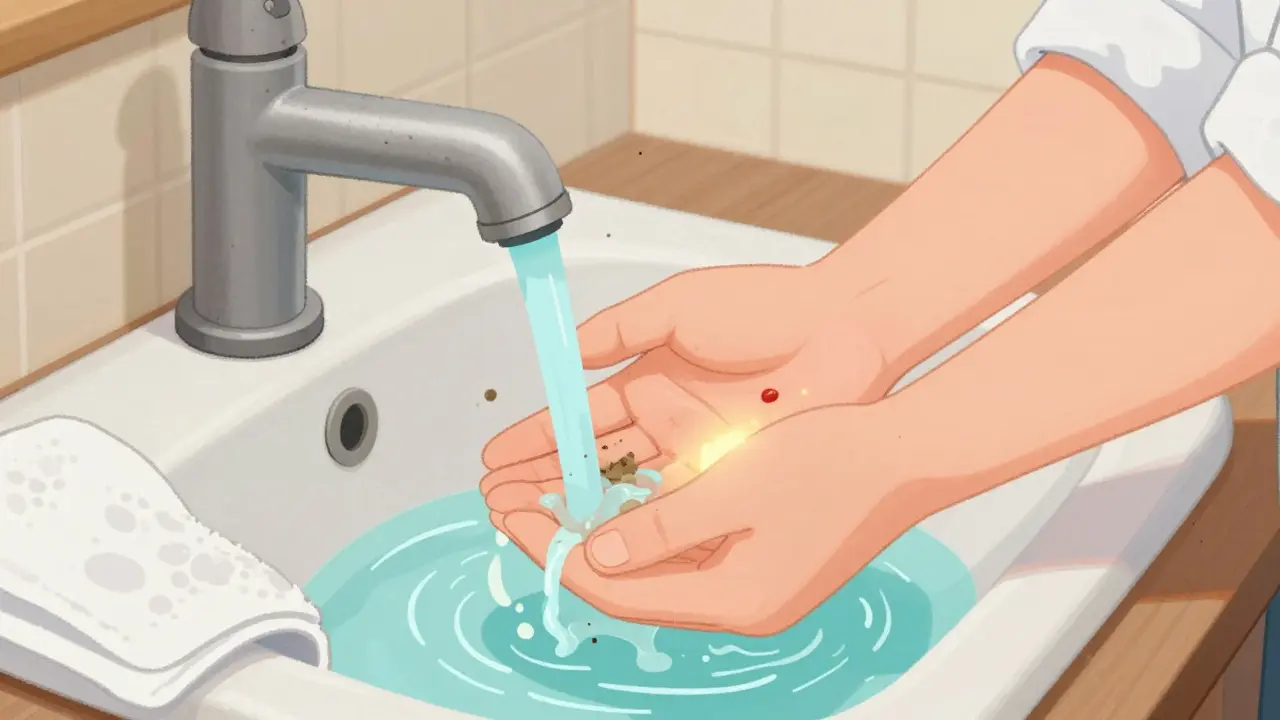
Stop using hydrogen peroxide or rubbing alcohol. They sound like they should work, but they actually kill healthy cells and delay healing by up to 50%. Instead, rinse the wound under cool, running water for 5 to 10 minutes. This removes dirt, bacteria, and debris without damaging the tissue.
Use mild soap to clean the skin around the wound, not inside it. Gently pat the area dry with a clean towel. If there’s visible grit or glass, use tweezers cleaned with alcohol to remove it. Don’t dig around-just get what’s sticking out.
Pressure matters. Studies show cleaning with 8 to 15 pounds per square inch (psi) of water pressure is ideal. Too weak, and you won’t flush out germs. Too strong, and you risk tearing new tissue. A gentle stream from a faucet does the trick.
Step 2: Choose the Right Dressing
Wounds heal best in a moist environment-not dry, not soaking wet. That’s why petroleum jelly or a thin layer of antibiotic ointment like bacitracin works better than letting air dry it out. About 87% of healthcare providers recommend bacitracin, but some experts argue plain petroleum jelly works just as well and causes fewer allergic reactions.
For dressings, pick based on how much fluid the wound is leaking:
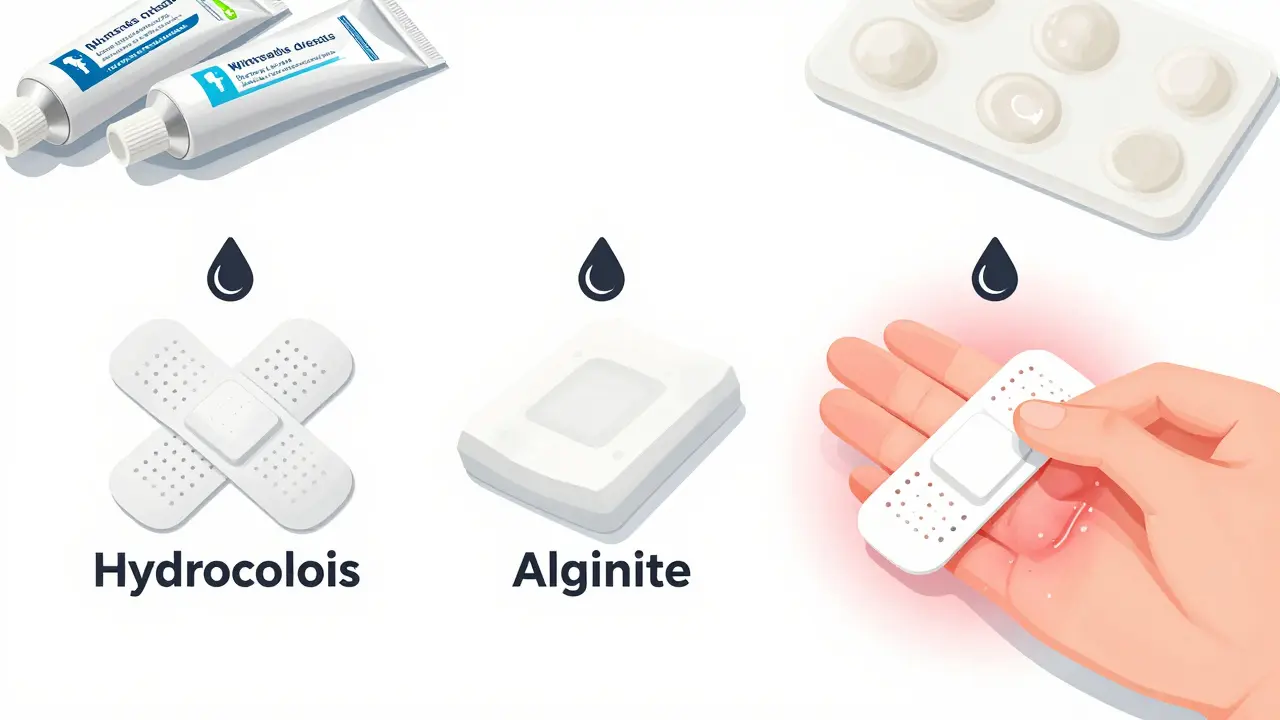
- Low drainage: Use hydrocolloid dressings (like Duoderm). They stick well, stay in place for days, and keep the wound moist.
- Medium to high drainage: Go for foam or alginate dressings. They absorb fluid without sticking to the wound.
Change dressings daily unless your doctor says otherwise. If it gets soaked through before then, swap it out right away. Never pull a dressing off quickly-it tears new skin. Wet it gently with saline or water first, then lift slowly.
Avoid wet-to-dry dressings. They used to be common, but they rip away healing tissue every time you change them. That’s why healing takes longer and hurts more.
Step 3: Prevent Scars Before They Form
Scarring isn’t just cosmetic-it can limit movement and cause discomfort. The best way to prevent bad scars? Keep the wound moist from day one. Applying petroleum jelly twice a day reduces scar formation by 60%, according to a 2021 study in the Journal of the American Academy of Dermatology.
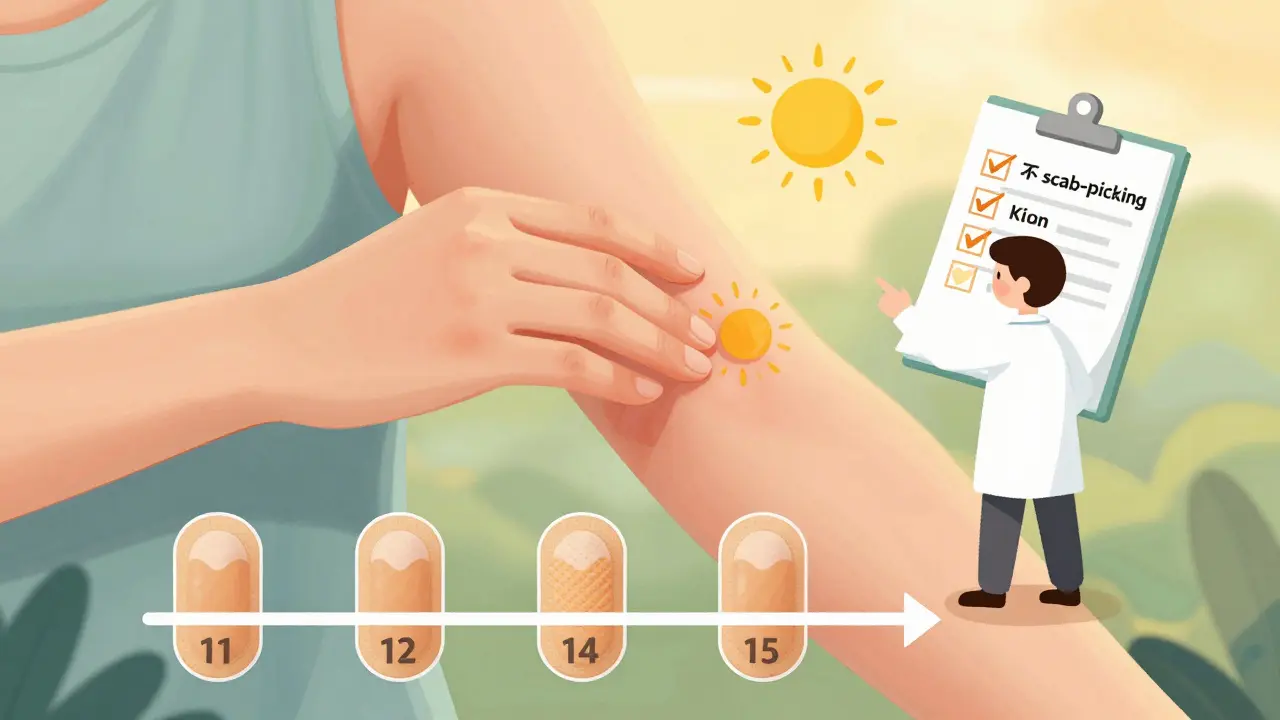
Once the wound closes (usually after 10-14 days), start using silicone gel sheets or silicone-based ointments. These are proven to reduce raised, red scars by 50-60%. Apply them daily for at least 12 weeks. They’re not magic, but they’re one of the few scar treatments with solid clinical backing.
And don’t forget the sun. UV rays darken healing skin, making scars more noticeable. Use SPF 30+ sunscreen on the area every day for at least a year after injury. Even cloudy days count-UV damage adds up.
What to Avoid
These common mistakes make healing harder:
- Wrapping tape too tight: If you’re wrapping a wound on your arm or leg, leave space for circulation. A full circle of tape can cut off blood flow and cause swelling.
- Removing scabs: Scabs are your body’s natural bandage. Picking at them exposes raw skin and increases infection risk.
- Ignoring signs of infection: Redness spreading more than an inch from the wound, pus, fever above 100.4°F, or no improvement after 7 days? See a doctor immediately.
Special Cases: Burns, Diabetic Wounds, and Pressure Sores
Not all wounds are the same. Some need extra care.
Burns: Run cool (not icy) water over the burn for 10-15 minutes. Never pop blisters-they protect the skin underneath. Cover with a sterile, non-stick dressing.
Diabetic wounds: People with diabetes heal slower and are more prone to infection. Even a small cut can turn serious. Check feet daily. If you notice redness, swelling, or a sore that won’t heal, see a doctor the same day. Studies show diabetic foot wounds have 40% higher complication rates without professional monitoring.
Pressure sores: These happen when skin is pressed against a surface for too long, like in bedridden patients. Prevent them by shifting position every 2 hours. Use pillows to lift heels off the bed and keep pressure off bony areas. The National Pressure Injury Advisory Panel says proper positioning reduces these sores by 65%.
Hydration and Nutrition Help Too
Healing isn’t just about what you put on the skin-it’s about what you put in your body. Drink at least 0.5 fluid ounces of water per pound of body weight daily. Dehydration slows healing by 25-30%.
Protein is key. Aim for 0.5-0.8 grams of protein per pound of body weight. Eggs, lean meat, beans, and dairy help rebuild tissue. Vitamin C (found in citrus, bell peppers, broccoli) supports collagen production. Zinc (in nuts, seeds, shellfish) helps cell growth.
When to Call a Doctor
You can handle most minor wounds at home. But call a medical professional if:
- The wound is deeper than 0.125 inches or longer than 0.25 inches
- It’s on your face, hand, or near a joint
- It won’t stop bleeding after 10 minutes of pressure
- You haven’t had a tetanus shot in the last 5-10 years
- There’s numbness, tingling, or loss of movement near the wound
What’s New in Wound Care
The wound care market is growing fast-projected to hit $13 billion by 2027. New tech includes silver-infused dressings that kill bacteria and smart bandages with sensors that detect infection early by measuring pH and temperature. These aren’t common yet-they cost $35-$50 per dressing-but they’re coming.
Real Results: What Works
Patients who followed cleaning and moisture protocols reported 94% satisfaction with healing speed and appearance. Those who skipped steps or used alcohol/hydrogen peroxide were far more likely to have pain, delays, or visible scars. The simplest things-running water, petroleum jelly, and sunscreen-make the biggest difference.
Final Tip: Wash Your Hands
Before and after touching any wound, wash your hands with soap and water for 20 seconds-or use hand sanitizer with at least 60% alcohol. It’s the easiest way to stop germs from entering the wound.
Can I use hydrogen peroxide to clean a wound?
No. Hydrogen peroxide damages healthy tissue and delays healing by up to 50%. It’s better to use mild soap and running water. Stick to soap and water for cleaning, and avoid antiseptics like alcohol or peroxide inside the wound.
How often should I change a wound dressing?
Change it daily unless your doctor says otherwise. If the dressing gets soaked through with fluid, change it right away. Wet dressings can trap bacteria and slow healing. Always use clean hands or gloves when handling dressings.
Do I need antibiotic ointment for every wound?
Not always. For most minor wounds, petroleum jelly works just as well and causes fewer allergic reactions. Antibiotic ointments like bacitracin are helpful if the wound is dirty or you’re at higher risk for infection, but they’re not necessary for clean, small cuts.
How long does it take for a scar to fade?
Scars can take up to 1-2 years to fully mature. The first 6 months are the most critical for minimizing appearance. Consistent moisturizing and sun protection during this time make the biggest difference. Silicone gel sheets used for 12 weeks or more can reduce redness and thickness significantly.
Can I swim with an open wound?
Avoid swimming until the wound is fully closed. Pools, lakes, and oceans contain bacteria that can cause infection. Even clean water can delay healing. If you must get wet, cover the wound with a waterproof dressing and dry it thoroughly afterward.
Is it normal for a wound to itch?
Yes, itching is a normal part of healing-it means new tissue is growing. But don’t scratch. Keep the area moisturized to reduce itchiness. If itching is severe, accompanied by redness or swelling, it could be a sign of infection or allergic reaction.
Stacy Thomes
January 21, 2026 AT 20:34OMG I CRIED WHEN I READ THIS. I picked at a scab on my knee last summer and now it looks like a map of Mars. I wish I'd known about the petroleum jelly thing sooner. This is LIFE-CHANGING.
Sallie Jane Barnes
January 23, 2026 AT 13:41Thank you for this comprehensive guide. As a nurse with over two decades of experience, I've seen too many patients damage their healing tissue with hydrogen peroxide and alcohol. The science here is spot-on. Moist wound healing isn't just a trend-it's the standard of care. I recommend this to every patient I see.
dana torgersen
January 24, 2026 AT 22:02you know... i've been thinking... about wounds... and how they're like... life? right? like, you don't scrub them with peroxide... and you don't... beat yourself up over past mistakes? and the scar? it's not a flaw... it's a story? and silicone sheets? they're like... emotional support bandages? i mean... who knew? also... i typed this on my phone... so sorry if it's messy... i'm not perfect... just like my scars... :)
Dawson Taylor
January 25, 2026 AT 17:50Well-researched. The emphasis on moisture retention aligns with current clinical guidelines. The data on infection reduction and scar minimization is statistically significant. I appreciate the exclusion of outdated practices. This is exemplary patient education material.
Kerry Evans
January 25, 2026 AT 21:59Everyone's acting like this is groundbreaking. I've been telling people for years that peroxide is a myth. You're all just now catching up? And silicone sheets? Please. I've been using them since 2012. You're lucky you didn't scar worse from ignorance. And don't even get me started on people who swim with open wounds-absolute negligence.
Vanessa Barber
January 26, 2026 AT 16:05Actually, I think you're overselling this. My cousin used honey on his burn and it healed faster than any jelly. And I've seen people use vinegar for infections. Science doesn't have all the answers. Maybe the real issue is that big pharma wants you buying expensive dressings instead of grandma's remedies.
Andrew Smirnykh
January 27, 2026 AT 14:47In my home country, we use crushed plantain leaves for minor wounds. They're antibacterial and cooling. It's not in any journal, but it's been passed down for generations. I wonder if there's more to learn from traditional practices alongside modern science?
charley lopez
January 28, 2026 AT 15:34Per the 2023 Cochrane Review on topical wound interventions, hydrocolloid dressings demonstrate superior epithelialization rates compared to gauze (RR 1.34, 95% CI 1.19–1.51). The hydration dynamics align with the wet-to-moist paradigm. However, cost-effectiveness analysis remains underexplored in ambulatory populations. Further RCTs warranted.
Susannah Green
January 29, 2026 AT 16:22Just wanted to add: if you're diabetic, check your feet every. single. day. I lost my uncle to a foot ulcer that started as a blister. Don't wait. And yes-sunscreen on scars is non-negotiable. I used it religiously after my surgery and you can't even tell where it was. Also, protein shakes helped me heal faster. Just saying.