
Author: Kevin Richter - Page 2

Wound Care Basics: How to Clean, Dress, and Prevent Scars Properly
Learn how to clean wounds properly, choose the right dressings, and prevent scars using science-backed methods. Avoid common mistakes that delay healing and increase infection risk.
Read more
What Each Part of Your Rx Medication Label Means for Patients
Understand every part of your prescription label-from your name to the expiration date-to avoid dangerous mistakes. Learn what each section means and how to use it for safer medication use.
Read more
Manufacturing Transparency: How to Access FDA Inspection Records for Drug and Device Factories
Learn how FDA inspection records work, what manufacturers must disclose, and why transparency in drug and device production matters for public safety. Understand Form 483, CGMP rules, and how unannounced inspections are changing the game.
Read more
Generic Patent Case Law: Landmark Court Decisions That Shape Drug Access
Landmark court decisions in generic patent law shape whether affordable drugs reach patients. Key rulings like Amgen v. Sanofi and Allergan v. Teva are redefining how patents are challenged and enforced in the pharmaceutical industry.
Read more
How to Store Insulin and Biologics During Long Flights: A Practical Guide
Learn how to safely store insulin and biologics during long flights with proven methods, temperature guidelines, and airline tips to avoid dangerous medication damage while traveling.
Read more
Restless Legs and Akathisia from Medications: How to Tell Them Apart and What to Do
Akathisia and restless legs syndrome both cause leg restlessness but have different causes and treatments. Learn how to tell them apart, why misdiagnosis is dangerous, and what to do if you're on antipsychotics or other triggering medications.
Read more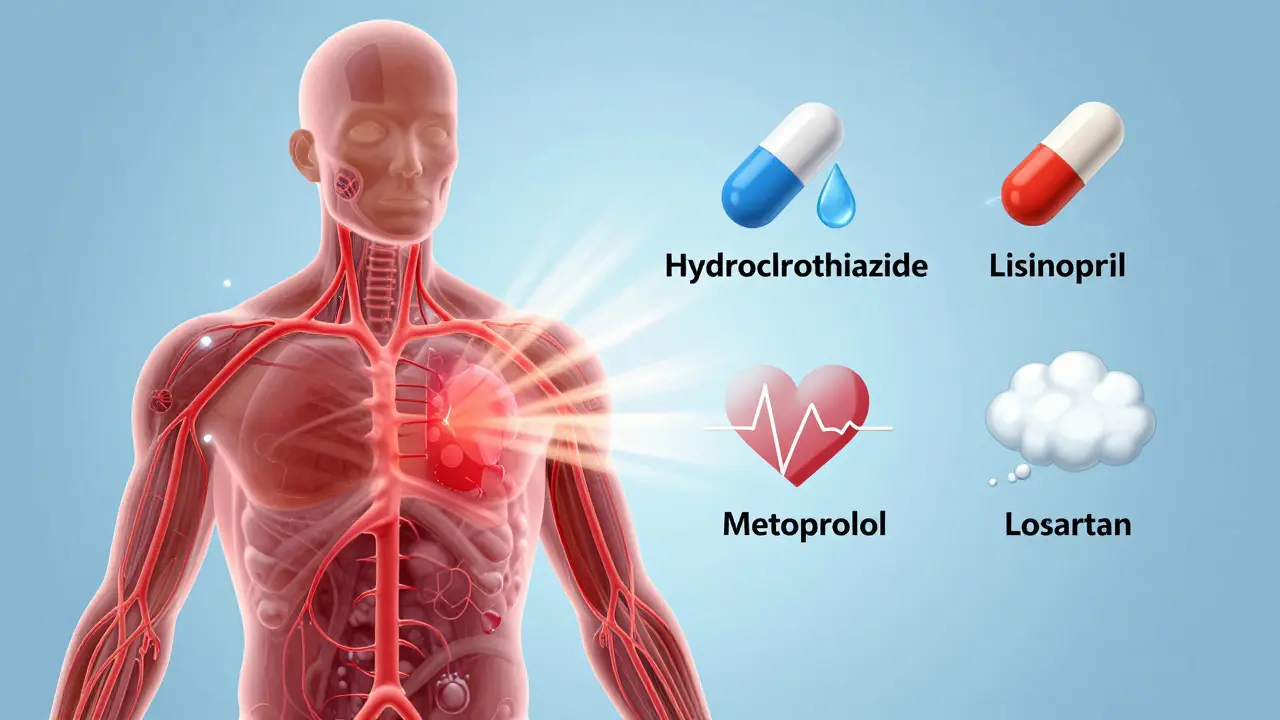
Blood Pressure Medications: Types, Side Effects, and Safety
Learn the most common blood pressure medications, their side effects, and safety tips. Understand why certain drugs are chosen based on your health and how to avoid dangerous interactions.
Read more
ACE Inhibitor Angioedema: How to Recognize Swelling as a Drug Reaction
ACE inhibitor angioedema is a dangerous, often misdiagnosed drug reaction causing sudden facial or throat swelling. Unlike allergies, it doesn't respond to epinephrine or antihistamines. Learn how to recognize it, what actually works, and why stopping the drug is the only cure.
Read more
Statin-Induced Muscle Pain: Understanding Myalgia and Myositis
Statin-induced muscle pain affects up to 30% of users, ranging from mild myalgia to severe immune-mediated myositis. Learn the differences, warning signs, and what to do if you're experiencing muscle weakness or pain while on statins.
Read more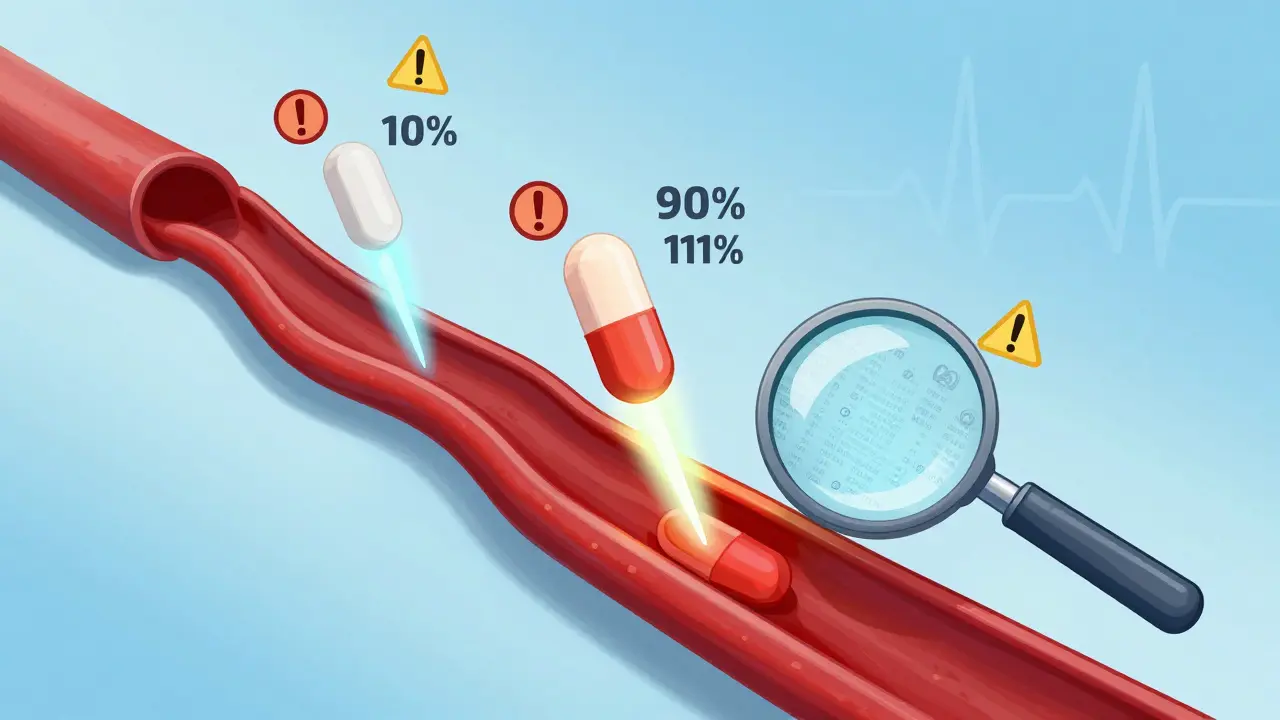
FDA Bioequivalence Standards for NTI Drugs: Special Requirements Explained
The FDA applies strict bioequivalence rules to narrow therapeutic index (NTI) drugs like warfarin and phenytoin, requiring tighter limits (90-111%) and lower variability than standard generics to ensure safety and efficacy.
Read more
Allergen Avoidance: Environmental Control and Home Strategies for Better Allergy Relief
Learn science-backed home strategies to reduce allergens like dust mites, pet dander, and mold. Discover how humidity control, HEPA filters, and bedding covers can cut symptoms without drugs.
Read more
Urticaria: Understanding Hives, Common Triggers, and How Antihistamines Work
Urticaria, or hives, are itchy, raised welts caused by histamine release. Learn about common triggers, how antihistamines work, and what to do when they don't help - including new treatments like remibrutinib and omalizumab.
Read more