
Medication Safety and Management in 2025: Key Insights on Costs, Side Effects, and Proper Use
When it comes to medication safety, the practices and precautions that ensure drugs are used correctly without causing harm. Also known as drug safety, it’s not just about taking pills as directed—it’s about understanding hidden risks, knowing when a high price is justified, and protecting yourself from preventable mistakes. In November 2025, our most-read articles tackled the real-world challenges people face with their medicines: from life-saving but expensive treatments to simple errors like improper label removal or wrong storage that can turn a rescue drug into a useless one.
One major theme was expensive medications, high-cost drugs that offer critical benefits despite severe side effects or financial strain. Patients with rare diseases or advanced cancer often have no choice but to use them—and we broke down exactly when those costs make sense. At the same time, we showed how generic combination drugs, single pills that combine two or more active ingredients in one dose can cut prescription costs by up to 90%, helping people avoid the financial trap of buying separate generics. These aren’t theoretical ideas—they’re daily decisions that affect thousands.
But safety doesn’t stop at cost. We dug into how drug side effects, unintended and potentially harmful reactions to medications can be managed or avoided, whether it’s QT prolongation from antidepressants, dangerous food interactions with linezolid, or dental issues from SGLT2 inhibitors. We also covered how diabetes management, the ongoing process of controlling blood sugar to prevent long-term complications isn’t just about insulin or metformin—it’s daily foot checks, annual eye exams, and knowing which new drugs can protect your kidneys before damage starts. And for families, we gave clear steps to prevent pediatric overdoses and how to safely dispose of chemotherapy waste at home without risking your household.
What ties all these together? Awareness. Whether you’re a senior juggling three pharmacies, a parent storing emergency meds in a drawer, or someone worried about a generic pill’s color and shape because of cultural beliefs, the right knowledge changes outcomes. We didn’t just list risks—we gave you actions: how to destroy prescription labels, when to demand an ECG before taking azithromycin, why cotton swabs make earwax worse, and how to spot a hyperkalemia risk from common drug combos.
What follows is a collection of real, practical guides written for people who need to use these medicines—not just read about them. You’ll find what works, what doesn’t, and what no one else tells you.
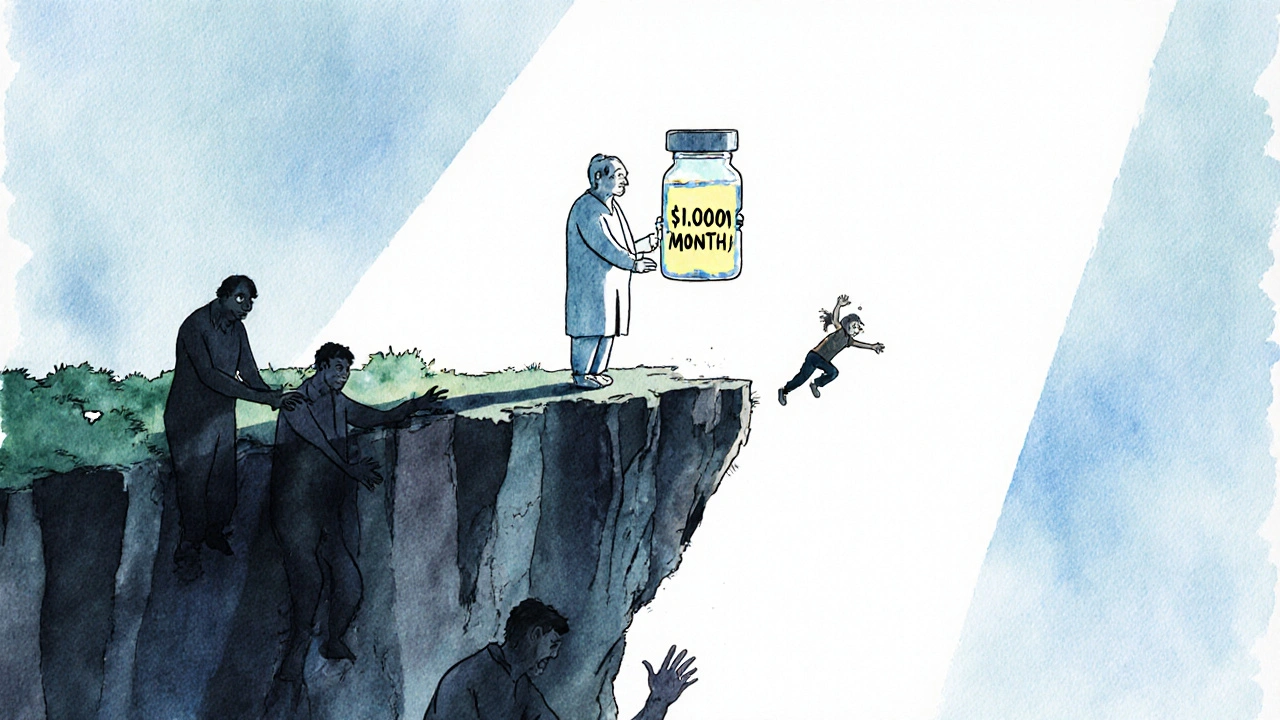
Cost vs Benefit: When Expensive Medications Are Worth the Price Despite Side Effects
Some medications cost tens of thousands - and come with harsh side effects. But for patients with no other options, they’re the only path to survival. Here’s when the price is worth it.
Read more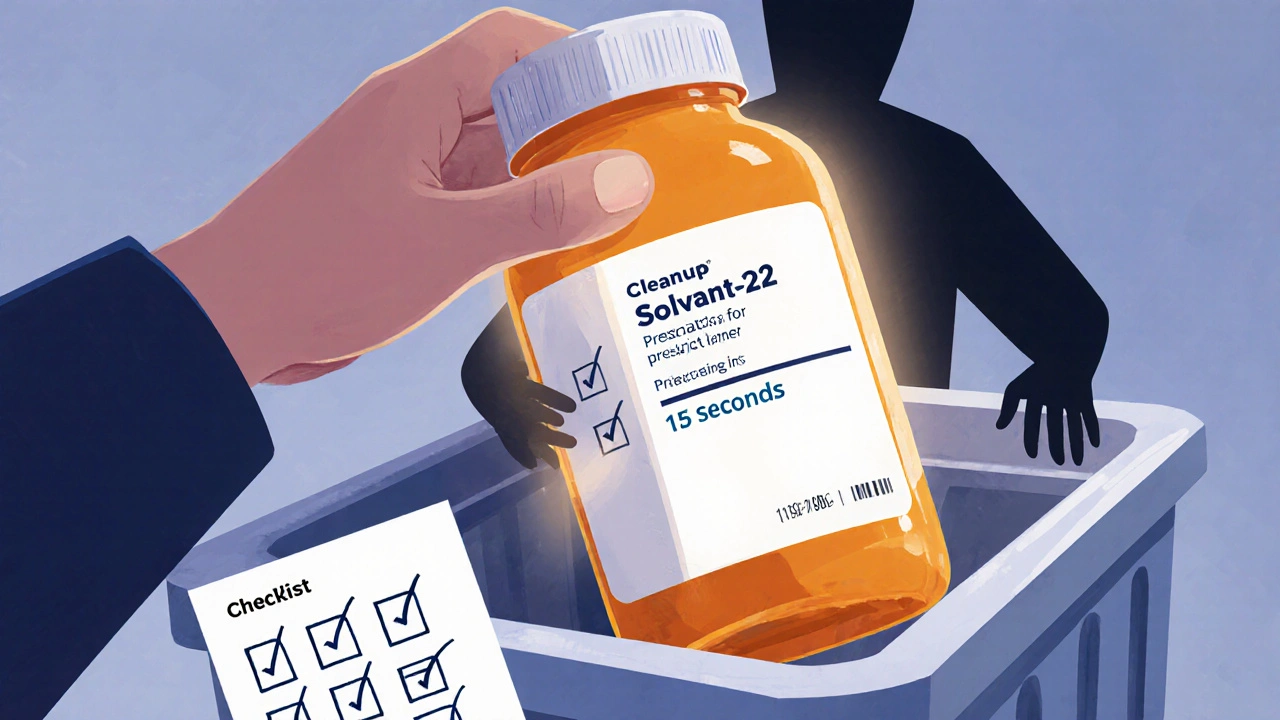
How to Safely Remove Personal Info from Medication Bottles to Prevent Identity Theft
Learn how to safely remove personal information from prescription bottles to prevent identity theft. Discover the best methods, what doesn’t work, and how pharmacies are helping.
Read more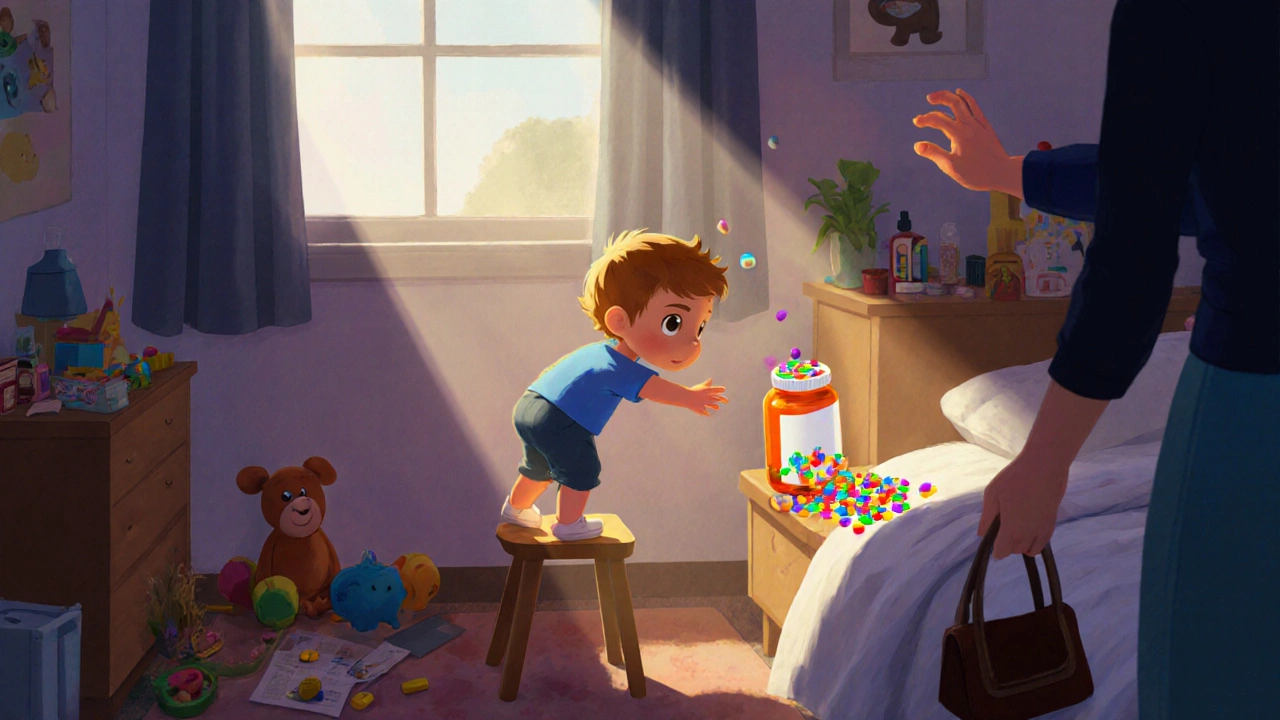
Accidental Pediatric Medication Overdose: How to Prevent It and What to Do If It Happens
Accidental pediatric medication overdoses are common but preventable. Learn how to store medicines safely, avoid dosing errors, and respond quickly if your child gets into medication - with proven strategies from the CDC's PROTECT Initiative.
Read more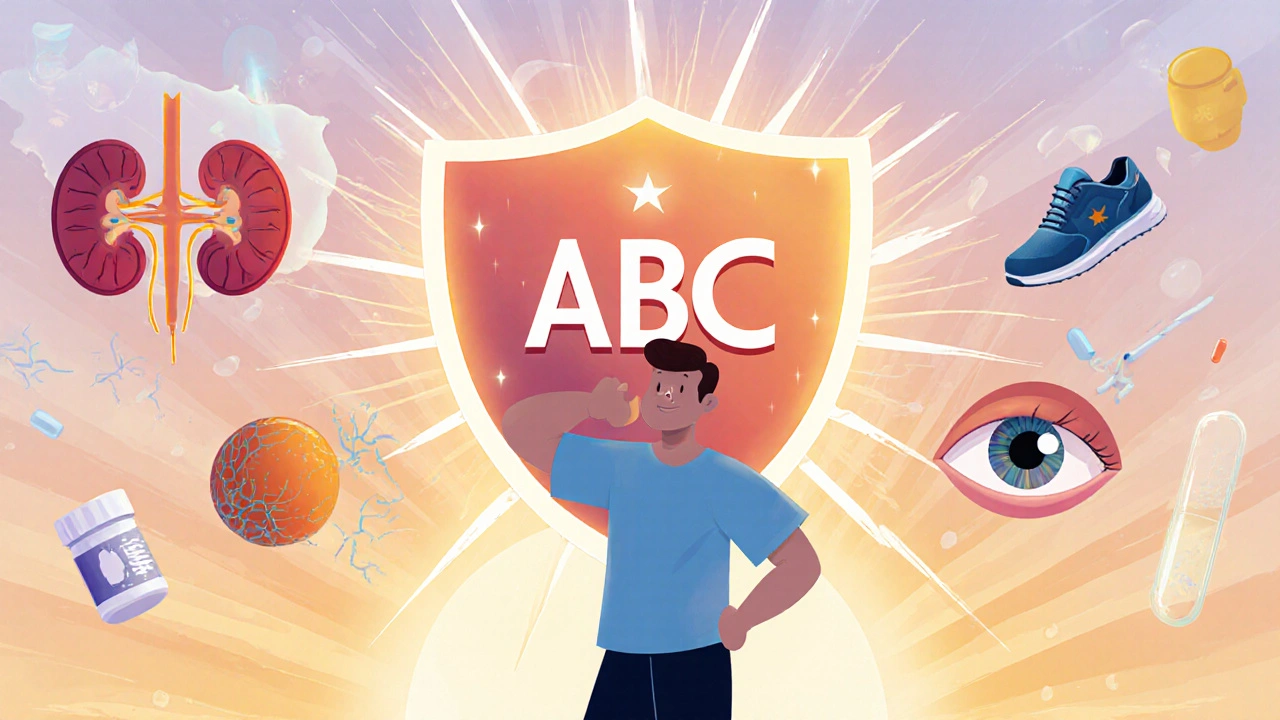
How to Prevent Diabetic Kidney Disease, Neuropathy, and Eye Damage
Learn how to prevent diabetic kidney disease, neuropathy, and eye damage through proven strategies: control your ABCs, use new medications, check your feet daily, and get annual eye exams. Prevention works-even after years with diabetes.
Read more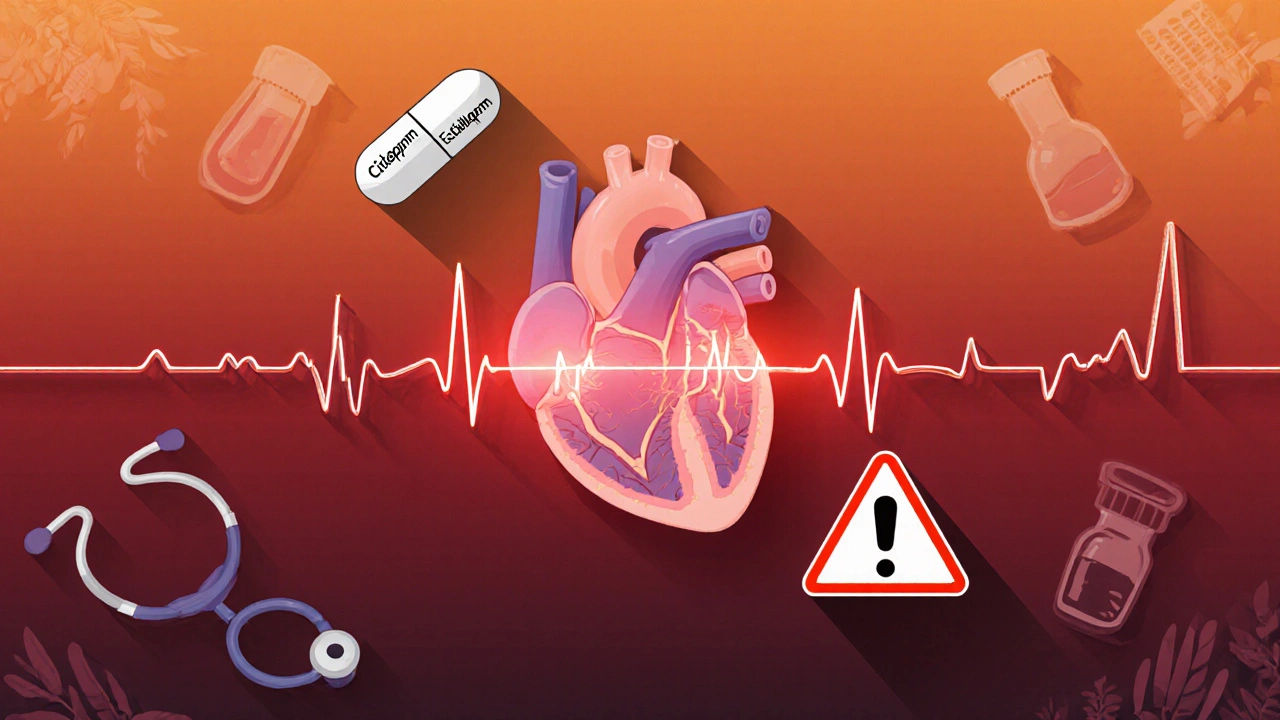
Citalopram and Escitalopram: QT Prolongation Risks and Safe Dose Limits
Citalopram and escitalopram are effective antidepressants but carry QT prolongation risks at higher doses. Learn the safe dose limits, who’s most at risk, and how to use these medications safely with proper monitoring.
Read more
Carpal Tunnel Syndrome: Understanding Nerve Compression and Effective Treatment Options
Carpal tunnel syndrome is a common nerve compression disorder causing numbness and pain in the hand. Early treatment with splints, exercises, and activity changes can prevent surgery. Learn the signs, proven treatments, and when to act.
Read more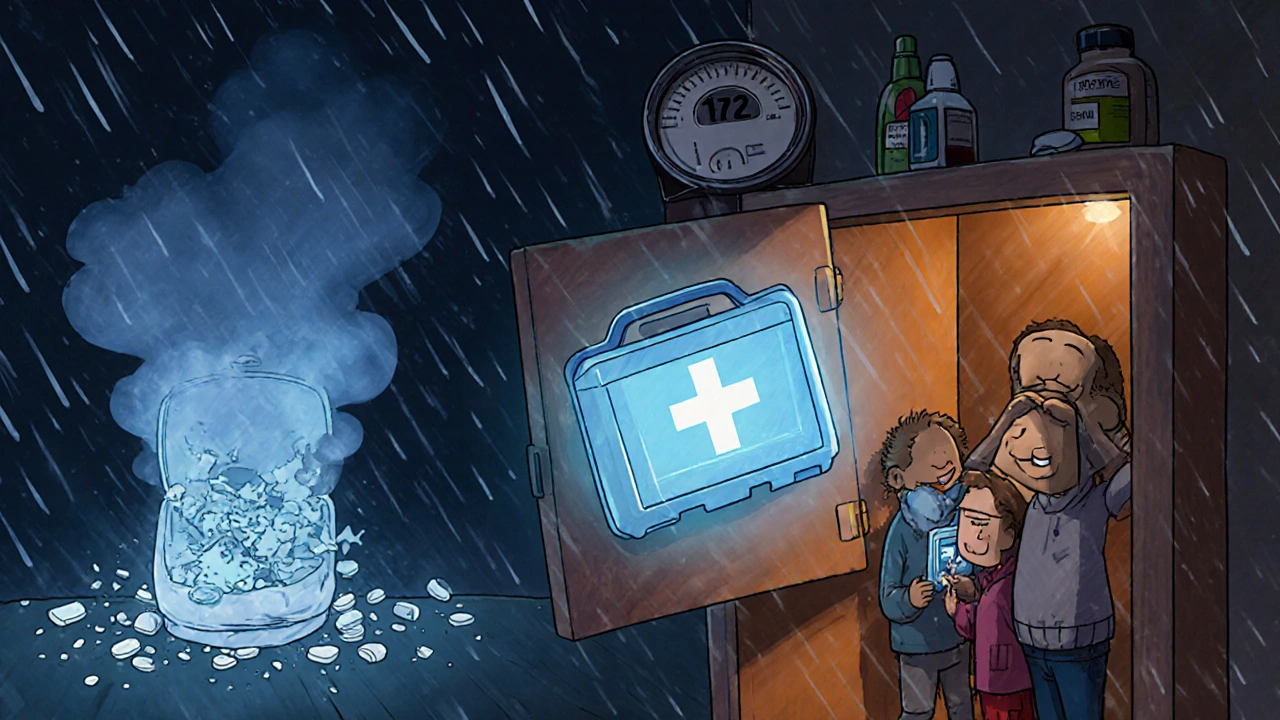
How to Store Emergency Kits to Maximize Medication Shelf Life
Learn how to store emergency medications properly so they stay effective during power outages and disasters. Avoid common mistakes that ruin pills, insulin, and epinephrine - and keep your kit ready for real emergencies.
Read more
Multicultural Perspectives on Generics: How Culture Shapes Patient Trust and Adherence
Cultural beliefs shape how patients perceive generic medications-from color and shape to religious ingredients. Understanding these perspectives is key to improving adherence and health equity in diverse communities.
Read more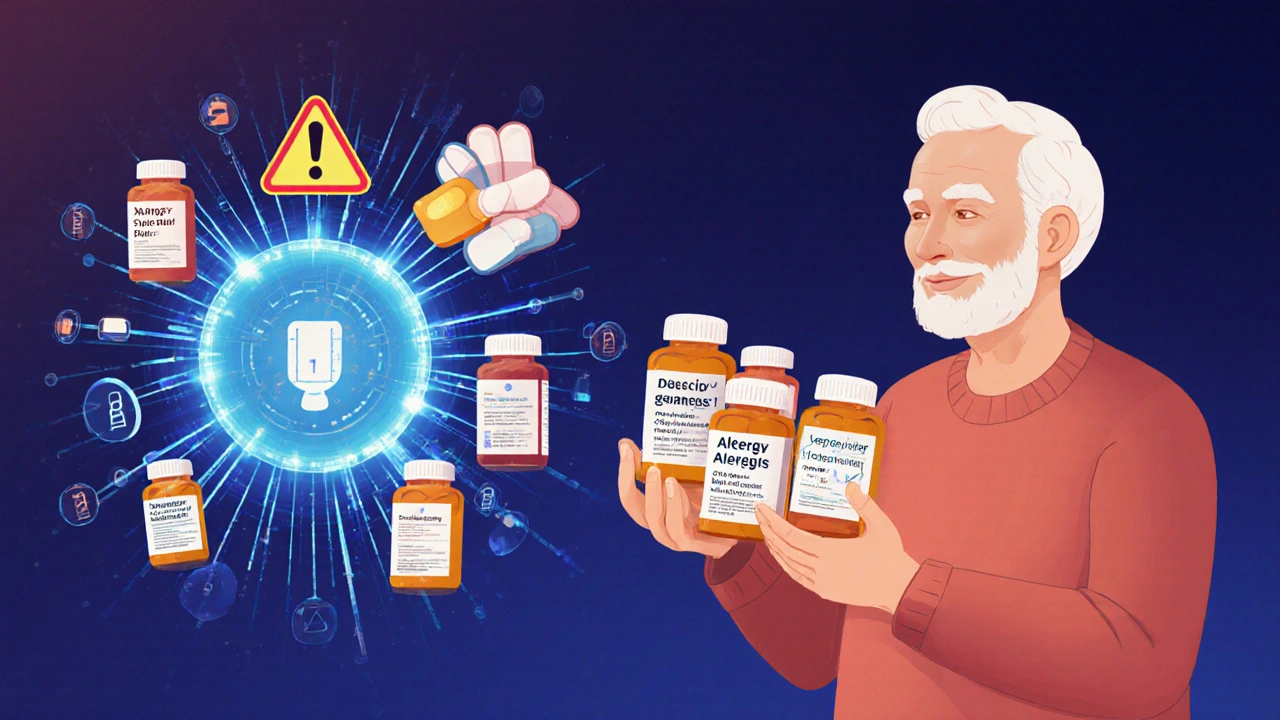
How to Manage Multiple Pharmacies and Prescribers Safely
Learn how to safely manage multiple pharmacies and prescribers for seniors using centralized systems that reduce errors, ensure compliance, and improve medication safety across locations.
Read more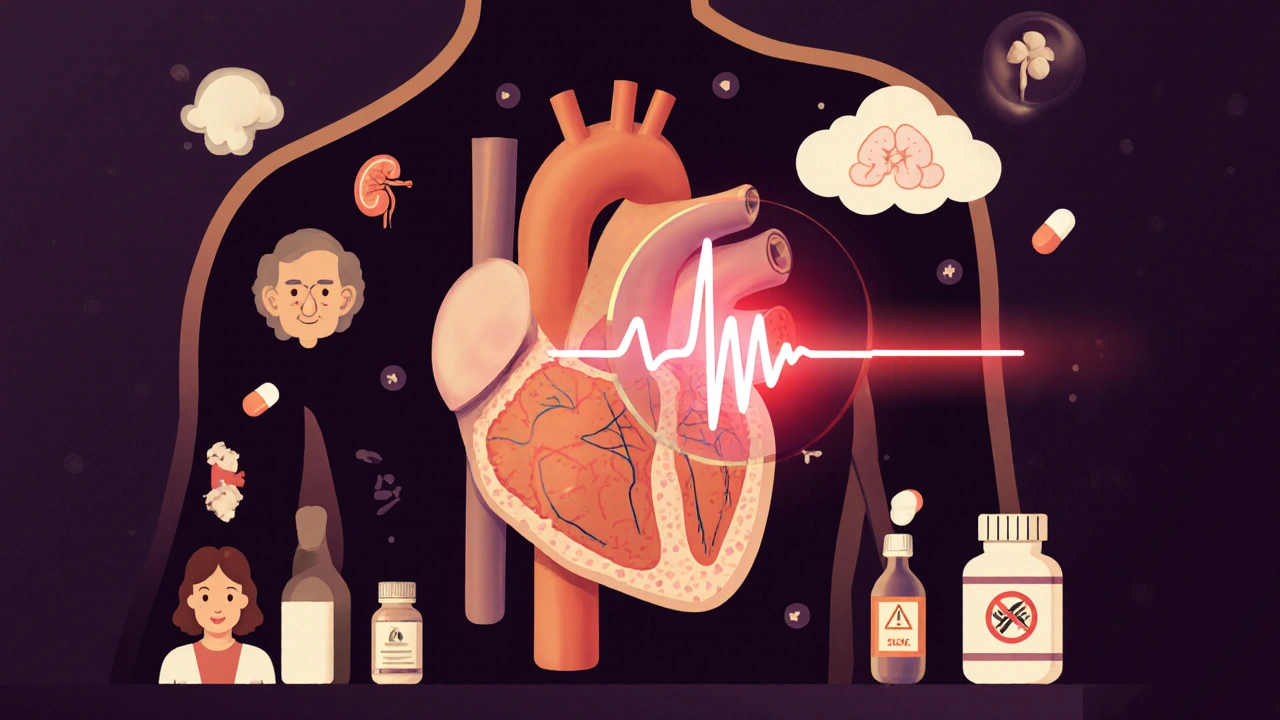
ECG Monitoring During Macrolide Therapy: Who Needs It
Macrolide antibiotics like azithromycin can prolong the QT interval and trigger dangerous heart rhythms. Learn who needs an ECG before taking them-and why skipping this simple test can be life-threatening.
Read more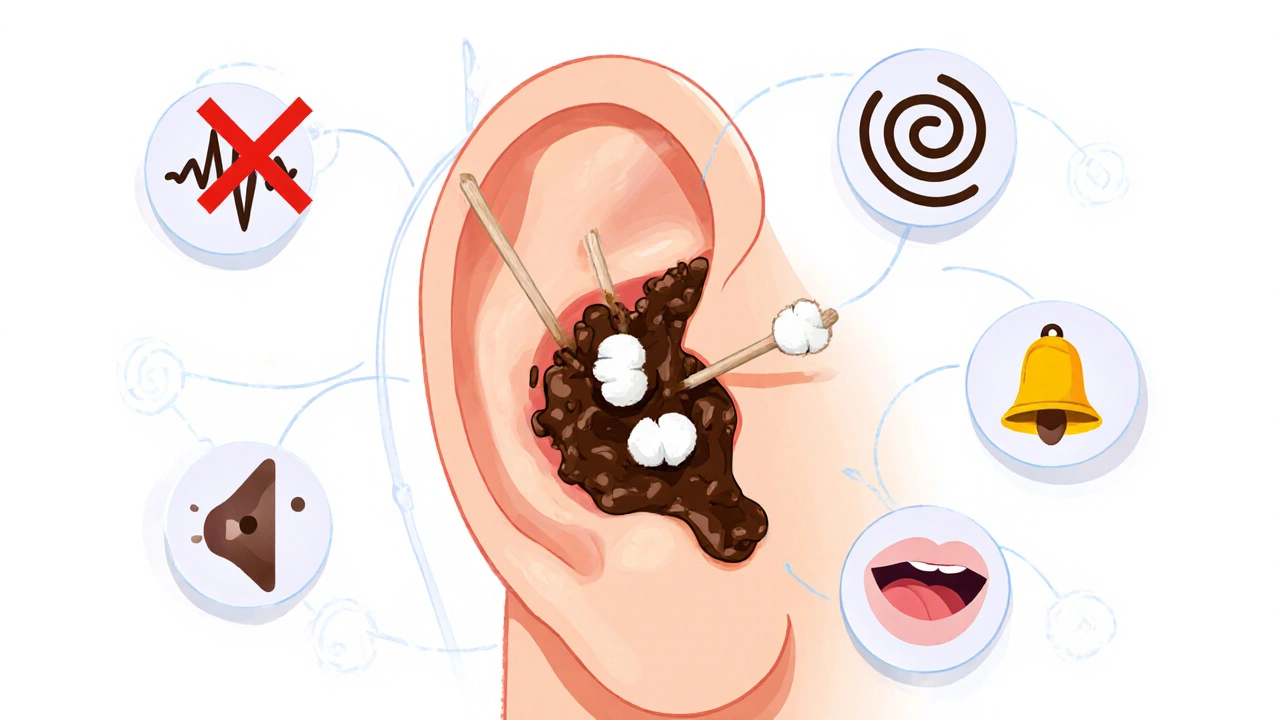
Earwax Impaction: What It Is, How to Recognize It, and Safe Ways to Remove It
Earwax impaction is a common hearing issue caused by hardened wax blocking the ear canal. Learn the symptoms, safe removal methods, and why cotton swabs make it worse. Professional care is the safest solution.
Read more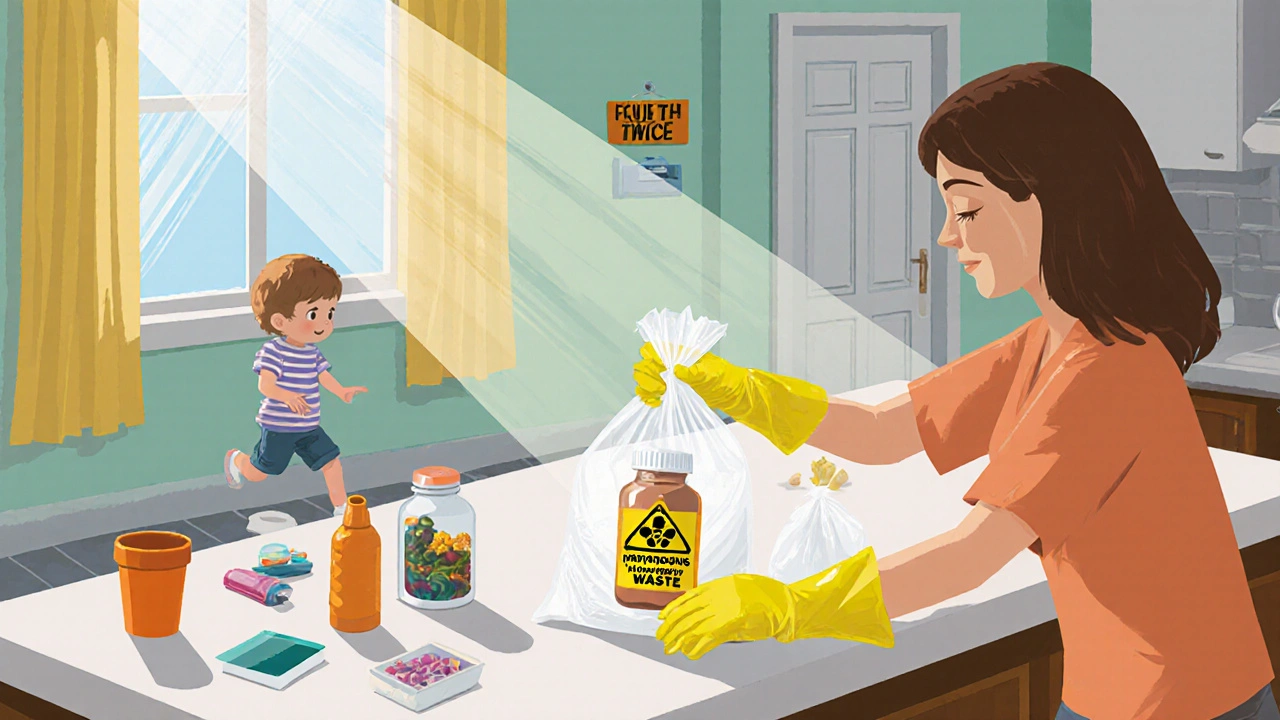
How to Safely Dispose of Chemotherapy Medication at Home
Learn how to safely dispose of chemotherapy medication at home with step-by-step guidance on double-bagging, protective gear, body waste handling, and what to avoid. Protect your family and environment from hazardous drug exposure.
Read more