
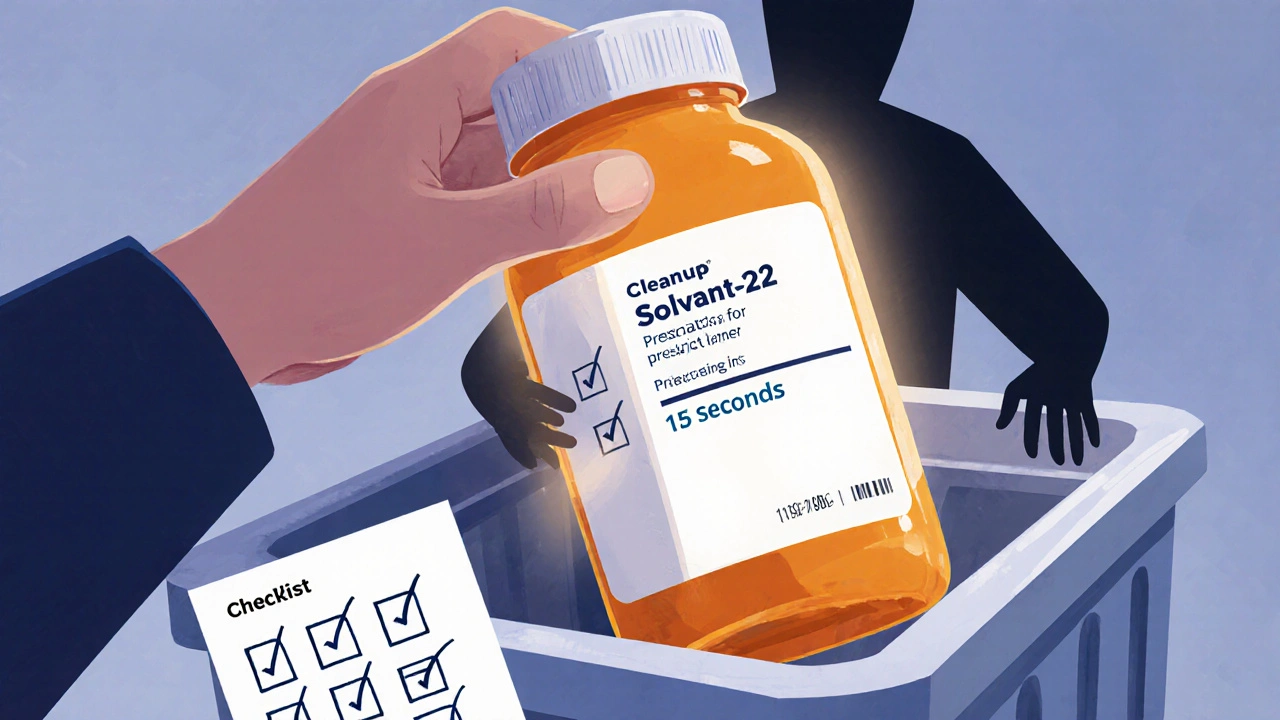
When you finish a prescription, you don’t just toss the bottle in the trash. That little plastic container holds more than leftover pills-it holds your name, your doctor’s name, your diagnosis, your prescription number, and sometimes even your birth date. All of it. And if someone finds that bottle in your recycling bin or curbside trash, they can use that information to steal your identity, fake prescriptions, or commit insurance fraud. In 2021, over 412,000 cases of pharmacy-related identity theft were reported in the U.S. alone. The Federal Trade Commission lists prescription labels as one of the top five sources for stolen personal data. This isn’t a hypothetical risk. It’s happening right now.
Why Leaving Labels On Is a Big Risk
Prescription labels aren’t just stickers. They’re digital fingerprints. Criminals don’t need your Social Security number or bank details to start committing fraud. They just need your name and pharmacy info. With that, they can call in fake refill requests, get controlled substances under your name, or file false insurance claims using your medical history. Even something as simple as knowing you take antidepressants or diabetes medication can be used to target you for scams. The FTC found that healthcare fraud from stolen prescription data cost victims an average of $1,347 per incident in 2023. And it’s getting worse-healthcare-related identity theft rose 22.7% in 2022.Three Proven Ways to Remove Personal Info from Medication Bottles
There are three main methods to destroy personal data on medication bottles. Not all of them work equally well. Some are quick. Some are messy. And some leave traces that tech-savvy thieves can still recover.1. Chemical Dissolution (Best for Reusing Bottles)
If you plan to reuse your pill bottles-for vitamins, supplements, travel kits, or craft projects-chemical dissolution is the only reliable method. Most prescription labels use waterproof acrylic adhesive bonded to polypropylene plastic. Water, vinegar, or heat won’t touch it. But a specialized solvent will. A product called Cleanup Solvent-22, made by Titan Labs, uses a proprietary acetone-based formula that breaks down the adhesive in 15-20 seconds. Apply it to the label, wait briefly, then peel. The label comes off clean. No sticky residue. No hidden text. Independent testing showed 98.7% success across 500 bottles made from common materials like HDPE and polypropylene. This method takes under 35 seconds per bottle. It’s fast, clean, and leaves the plastic intact for reuse. The downside? It costs around $15 and isn’t sold in most drugstores. You’ll need to order it online. But for anyone who reuses bottles, it’s worth it.2. Permanent Marker Obscuration (Quick, But Risky)
Many people think scribbling over the label with a black Sharpie is enough. It’s not. A 2023 study by Children’s Hospital of Orange County (CHOC) found that 63% of blacked-out labels still showed readable data under infrared light or smartphone photo-enhancement apps. In another test, 41% of "covered" labels were fully recoverable using free apps on Android and iPhone. If you must use a marker, follow CHOC’s official protocol: apply three thick, overlapping layers of permanent marker. Cover every letter, number, and symbol. Let it dry between layers. Then hold the bottle up to a bright light. If you can still see any text-even faintly-go over it again. This takes about 47 seconds per bottle. It’s better than nothing, but it’s not foolproof. The FTC says this method is "acceptable if removal fails," but they also say complete label removal is preferred. So use this only if you don’t have access to a solvent or plan to throw the bottle away immediately.3. Physical Removal and Shredding (Best for Discarding Bottles)
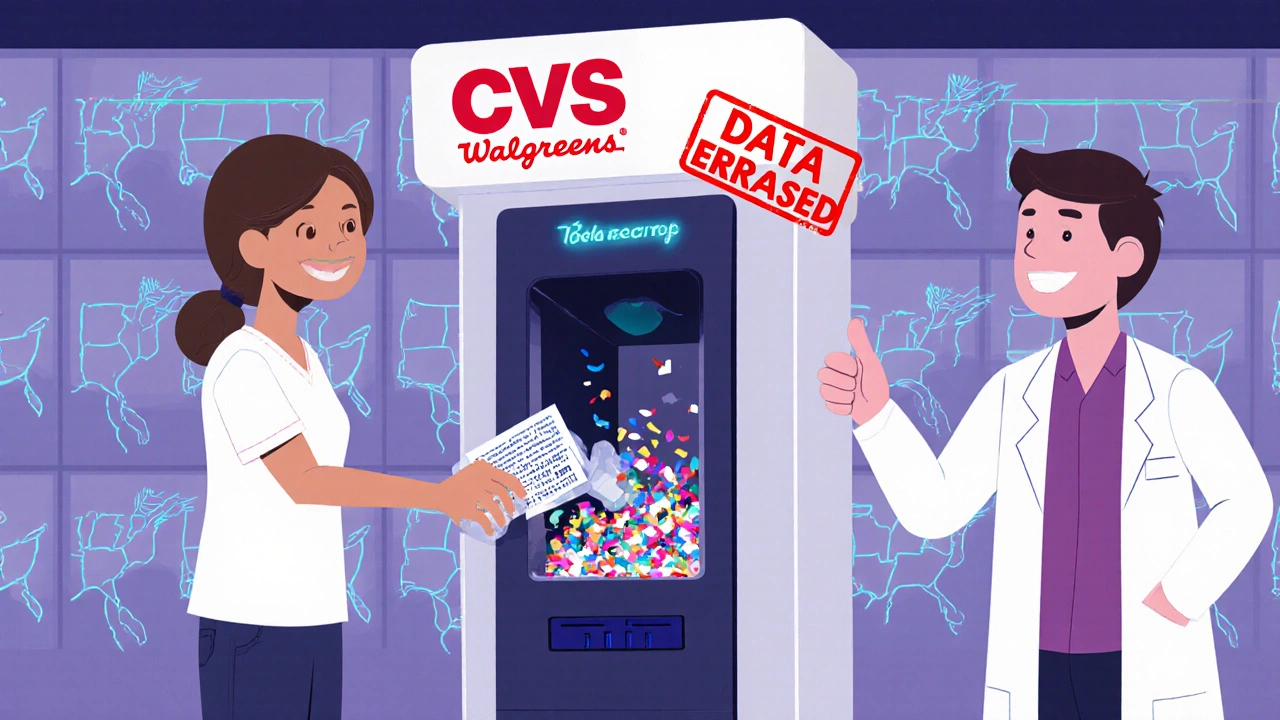
If you’re not keeping the bottle, the safest option is to destroy it completely. Most home shredders can’t handle plastic pill bottles-they jam or split them open, leaving labels intact. But there are two ways to make this work. First, cut the label off with heavy-duty scissors. Then cut the label into tiny pieces. Cross-cut shredders work best, but if you don’t have one, tear the label into strips, then into squares. Put the pieces in different trash bags. This prevents someone from reassembling the data. Second, take the bottle to a pharmacy with a disposal kiosk. Since 2020, CVS, Walgreens, and other major chains have installed label-removal stations at their pharmacies. These machines remove and shred labels automatically. You drop in your empty bottle, and they handle the rest. No mess. No risk. Just walk away.What Doesn’t Work (And Why)
There are a lot of home hacks floating around online. Here’s why they fail:- Hot water or vinegar soaks: CHOC testing showed 78% failure rate. The adhesive is designed to resist moisture.
- Hairdryer heat: Only works 63% of the time. Often just warps the label without removing it.
- Scraping with a knife or credit card: Leaves adhesive residue that still contains readable data. Plus, you risk scratching the bottle and making it harder to clean.
- Just peeling it off: Titan Labs’ video showed that 92% of attempts leave behind sticky, data-filled adhesive. You’re not removing the label-you’re just moving it.
When and How to Do It
Don’t wait. The longer you leave a labeled bottle lying around, the higher your risk. CHOC’s guidelines say to destroy the label within 24 hours of finishing your medication. Why? Because Javelin Strategy found that delayed disposal increases identity theft risk by 40%. Here’s your simple action plan:- Finish your prescription.
- Immediately remove any remaining pills. Mix them with kitty litter, coffee grounds, or water in a sealed bag before throwing them away.
- Choose your label removal method:
- Reusing the bottle? Use Cleanup Solvent-22.
- Throwing it away? Cut the label off and shred it.
- No tools? Use three thick layers of permanent marker, then check under bright light.
- Dispose of the label pieces separately from the bottle (if not using a solvent).
- Wash the bottle with soap and water if you plan to reuse it.
What Pharmacies Are Doing About It
The problem is so widespread that pharmacies are stepping in. Over 73% of U.S. children’s hospitals now use CHOC’s disposal protocol. CVS and Walgreens have installed label-removal stations in over 10,000 locations. These kiosks let you drop off empty bottles and walk away knowing the data is gone. Some hospitals even offer free label-removal kits to patients. Ask your pharmacist. If they don’t have one, ask them to request one. The more people demand this service, the more pharmacies will make it standard.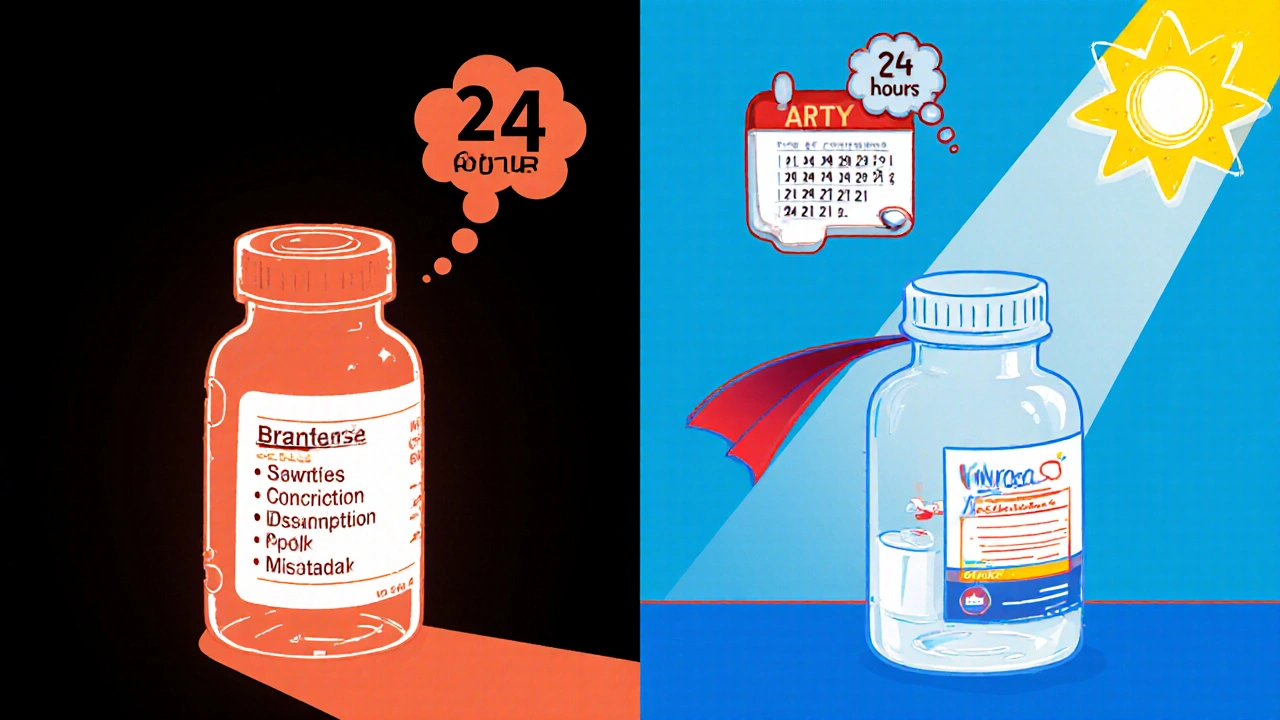
What’s Coming Next
The future of medication labels is changing. Pfizer tested UV-erasable ink in 2022-labels that fade after exposure to sunlight. McKesson is piloting RFID-enabled bottles that automatically erase patient data after 30 days. But those are still years away from being common. For now, the responsibility is on you. You can’t rely on the system to protect your data. You have to take action.Final Checklist: Are You Doing It Right?
Use this quick checklist after you finish any prescription:- ☐ All pills removed and disposed of safely (mixed with kitty litter or coffee grounds)
- ☐ Label completely removed or destroyed (not just covered)
- ☐ No sticky residue or visible text left on the bottle
- ☐ Label pieces shredded or torn into small pieces
- ☐ Bottle washed if reused
- ☐ Done within 24 hours of finishing the medication
If you checked all six boxes, you’ve done more than most. You’ve protected your identity, your privacy, and your financial security.
Can I just throw away the bottle without removing the label?
No. Leaving the label on exposes your name, medical conditions, prescription number, and doctor’s details to anyone who finds the bottle. This is a top source for identity thieves. Even if you think the bottle is in the trash, it could end up in recycling or be picked up by someone else. Always remove or destroy the label first.
Is using a black marker enough to hide my info?
Not reliably. Studies show 63% of blacked-out labels still contain readable data under infrared light or smartphone photo apps. If you must use a marker, apply three thick, overlapping layers and check under bright light. But it’s not as safe as removing the label entirely.
Where can I get a label remover solvent?
Products like Cleanup Solvent-22 are available online through retailers like Amazon. They’re not sold in most pharmacies yet. The cost is around $15, which is less than the average cost of one prescription refill. It’s the most effective method if you plan to reuse bottles.
Do pharmacies help remove labels?
Yes. CVS, Walgreens, and other major chains have installed label-removal kiosks at many locations. You can drop off empty bottles, and the machine removes and shreds the labels automatically. Ask your pharmacist if your local store has one.
Can I recycle the bottle after removing the label?
Yes, once the label is fully removed and the bottle is clean, most plastic pill bottles (HDPE or PP) are recyclable. Check your local recycling rules-some programs require the cap to be removed. If you’re unsure, reuse the bottle for vitamins, travel kits, or craft supplies instead.
How quickly should I remove the label after finishing my meds?
Within 24 hours. Delaying increases your risk of identity theft by 40%, according to Javelin Strategy’s 2021 report. Make label removal part of your routine right after you finish the prescription.
Erin Nemo
November 30, 2025 AT 08:17Also, I now do this the second I finish a script. No excuses.
Rachel Stanton
December 1, 2025 AT 15:55Pharmacies need to be required to offer label removal as a standard service, not an optional perk. This isn’t just privacy-it’s public health infrastructure.
Amber-Lynn Quinata
December 2, 2025 AT 05:42Also, if you don’t have solvent, just cut the label off and burn it. That’s what my grandma did and she’s 82 and still has her credit score. 🙏
Lauryn Smith
December 4, 2025 AT 01:23Also, if you reuse bottles for vitamins-do it. Saves money and plastic.
Bonnie Youn
December 4, 2025 AT 15:31JUST CUT IT OFF AND SHRED IT OR USE THE SOLVENT
IF YOU’RE TOO LAZY THEN YOU DESERVE TO GET STOLEN FROM
Edward Hyde
December 5, 2025 AT 01:24Also, who the hell is Titan Labs? Are they owned by Big Pharma? 😏
Charlotte Collins
December 5, 2025 AT 09:09Meanwhile, you’re scrubbing plastic while your EHR is being auctioned off to insurers and advertisers. This is performative security.
Margaret Stearns
December 6, 2025 AT 09:21amit kuamr
December 6, 2025 AT 19:23Scotia Corley
December 7, 2025 AT 03:36elizabeth muzichuk
December 7, 2025 AT 14:47Debbie Naquin
December 8, 2025 AT 17:41We are not just losing labels-we are losing autonomy.
Karandeep Singh
December 9, 2025 AT 14:53Mary Ngo
December 10, 2025 AT 21:49