
Generic Drugs: What They Are, Why They Work, and How to Save Money
When you hear generic drugs, medications that contain the same active ingredients as brand-name drugs but are sold under their chemical name. Also known as generic alternatives, they are approved by the FDA to work the same way, in the same dose, and with the same safety profile as their brand-name counterparts. Yet many people still worry they’re getting less—less strength, less reliability, less care. That’s not true. A generic drug isn’t a cheaper copy. It’s the same medicine, just without the marketing budget.
The real difference between a brand name drugs, medications originally developed and marketed by pharmaceutical companies under a patent and a generic drug, the same medicine sold after the patent expires, often at a fraction of the cost is usually just the color, shape, or filler ingredients. Those fillers—called excipients—don’t change how the drug works. But they can matter to some people, especially if they have allergies or cultural preferences. That’s why some patients stick with brand names, even when the generic is cheaper and just as effective. And that’s why understanding how generics are made, tested, and regulated matters more than ever.
Drug pricing is one of the biggest headaches in healthcare. A single pill of a brand-name drug can cost $10, $50, even $100. The generic version? Often less than $1. That’s not a trick. It’s how the system is supposed to work. After a patent expires, multiple companies can make the same drug. Competition drives prices down. And that’s where drug pricing, the cost of medications to consumers, often shaped by patents, competition, and insurance becomes a tool for saving money. Many people don’t realize that buying two separate generics can cost more than one combination generic pill. Or that switching from a brand to a generic can cut monthly bills by 80% or more.
Some of the posts here dive into how culture shapes trust in generics—why someone might refuse a white pill because their grandmother always took a blue one. Others show how combination generics can slash costs without losing effectiveness. There are guides on how to safely switch, what to ask your pharmacist, and even how to spot when a generic isn’t right for you. You’ll find real stories about people who saved hundreds a month just by switching. And you’ll see why avoiding generics isn’t about safety—it’s about misunderstanding.
You don’t need to be a doctor to know the difference between a brand and a generic. You just need to know what to ask. Is the active ingredient the same? Is it FDA-approved? Is there a cheaper version? If the answer is yes to all three, you’re likely saving money without sacrificing care. The next time you fill a prescription, ask: Could this be a generic? And if it is, why are you paying more?
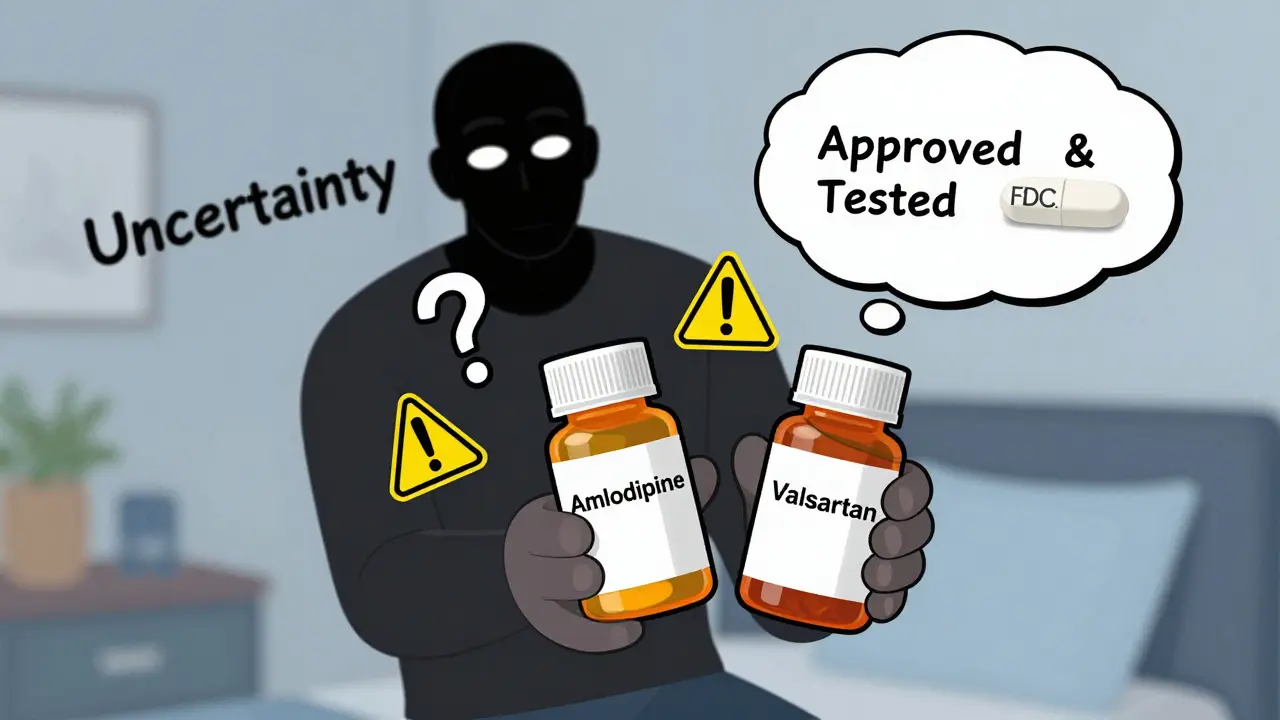
De facto combinations: Why taking separate generics instead of FDCs is common - and risky
Many patients take separate generic drugs instead of fixed-dose combinations (FDCs) for cost or dosing reasons. But this practice, called a de facto combination, carries hidden risks like lower adherence and untested drug interactions. Learn when it's safe - and when it's not.
Read more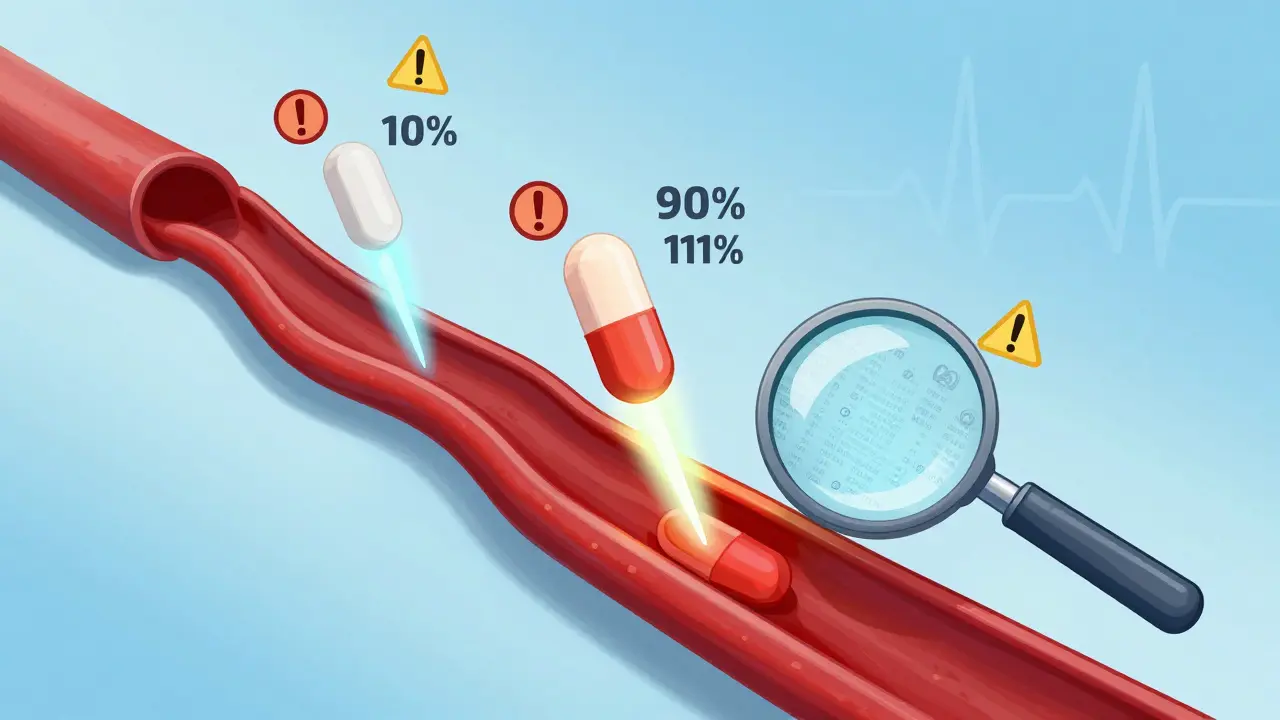
FDA Bioequivalence Standards for NTI Drugs: Special Requirements Explained
The FDA applies strict bioequivalence rules to narrow therapeutic index (NTI) drugs like warfarin and phenytoin, requiring tighter limits (90-111%) and lower variability than standard generics to ensure safety and efficacy.
Read more
Bioequivalence of Combination Products: Special Testing Challenges
Bioequivalence testing for combination products like fixed-dose combos and drug-device systems faces unique scientific and regulatory hurdles. Unlike single-drug generics, proving sameness requires complex studies, inconsistent methods, and costly trials-delaying affordable access for patients.
Read more
How to Compare New Prescription Labels with Your Old Medication for Safety
Learn how to safely compare new prescription labels with old ones to avoid medication errors. Check the active ingredient, dosage, manufacturer, and pill appearance every time you refill.
Read more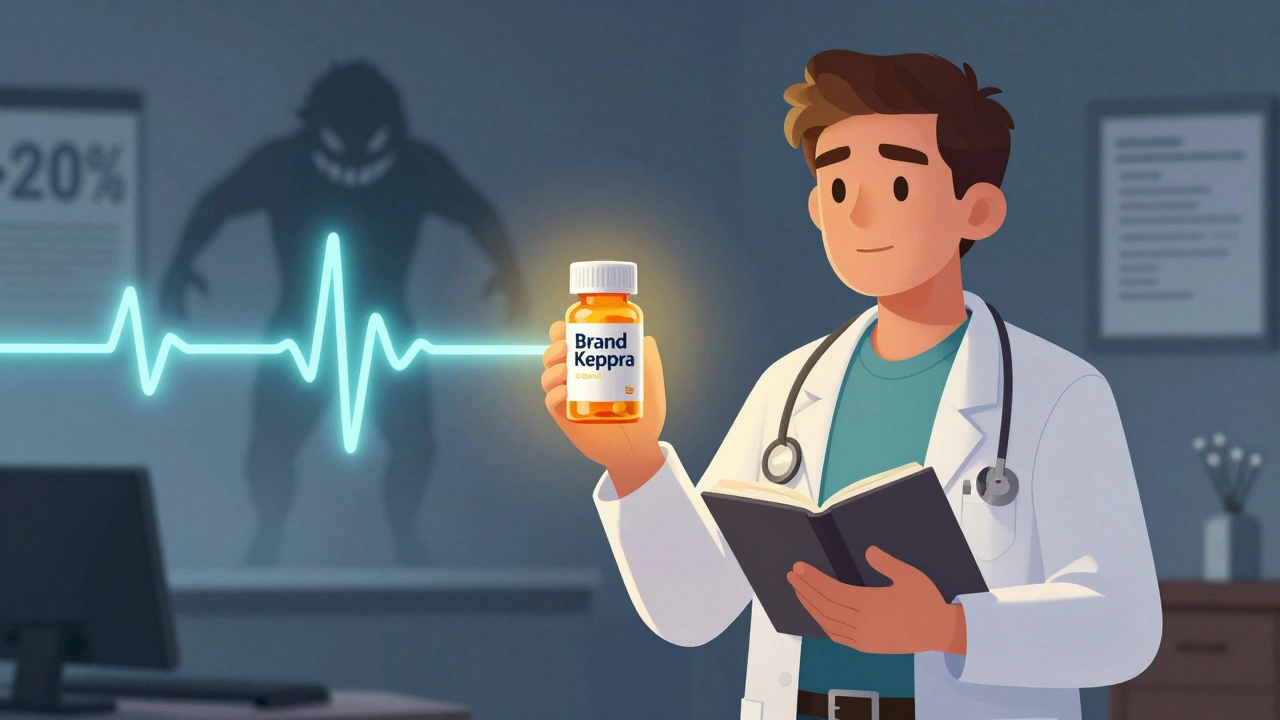
How to Talk to Your Doctor About Staying on a Brand Medication When Generics Are Pushed
Learn how to effectively talk to your doctor about staying on a brand medication when insurers push for generics. Get practical steps, communication tips, and evidence-backed reasons to avoid switching if it affects your health.
Read more