
Medication Safety: What You Need to Know to Avoid Harm
When you take a medication, a substance used to treat, cure, or prevent disease. Also known as drug, it can save your life—but only if used correctly. Too many people assume that because a drug is prescribed or sold over the counter, it’s automatically safe. That’s not true. Medication safety means knowing how your pills interact with food, other drugs, and even your own body changes—like pregnancy, aging, or liver problems.
One of the biggest risks isn’t the drug itself, but drug interactions, when two or more medications react in a way that changes their effect. Mixing ACE inhibitors with potassium-sparing diuretics can spike your potassium to dangerous levels. Taking linezolid with aged cheese or red wine can trigger a life-threatening blood pressure spike. Even something as simple as eating grapefruit can wreck how your body processes common heart or cholesterol meds. These aren’t rare cases—they’re common mistakes made because no one explained the risks clearly.
Then there’s adverse reactions, unexpected and harmful side effects that aren’t listed as common. Some people react badly to antibiotics like macrolides because of hidden heart risks. Others develop nerve pain from vitamin B12 deficiency masked by long-term medication use. Even skin creams like hydroquinone or tretinoin can cause damage if used wrong. And don’t forget about proper disposal, how you throw away unused or expired drugs safely. Chemo drugs, opioids, or even old antibiotics shouldn’t go down the toilet or in the trash. Improper disposal risks your family, pets, and the environment.
And let’s not ignore medication adherence, whether you actually take your medicine as directed. Cultural beliefs, confusing pill schedules, or fear of side effects can make people skip doses or stop entirely. That’s why generics aren’t just cheaper—they’re only safe if you trust them enough to use them. A pill that sits in the cabinet does zero good.
What you’ll find below isn’t a list of warnings—it’s a collection of real, practical stories about what goes wrong and how to stop it. From how to safely dispose of chemotherapy at home, to why earwax removal with cotton swabs is a bad idea, to what foods to avoid with certain antibiotics—each post cuts through the noise. These aren’t theory pieces. They’re what doctors and pharmacists wish patients knew before walking out the door.
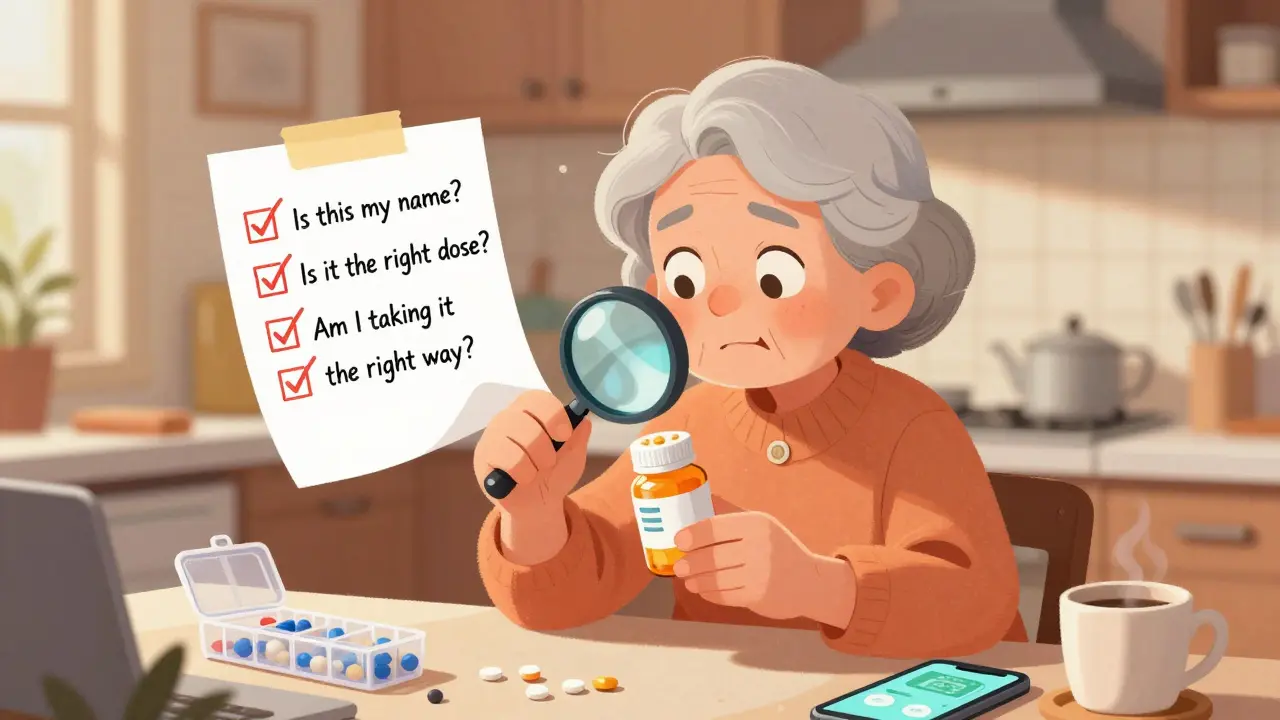
Five Essential Rules for Taking Medication Safely
Learn the five essential rules for taking medication safely to avoid dangerous errors. From knowing your pills to checking doses and timing, these simple steps can prevent hospital visits and save lives.
Read more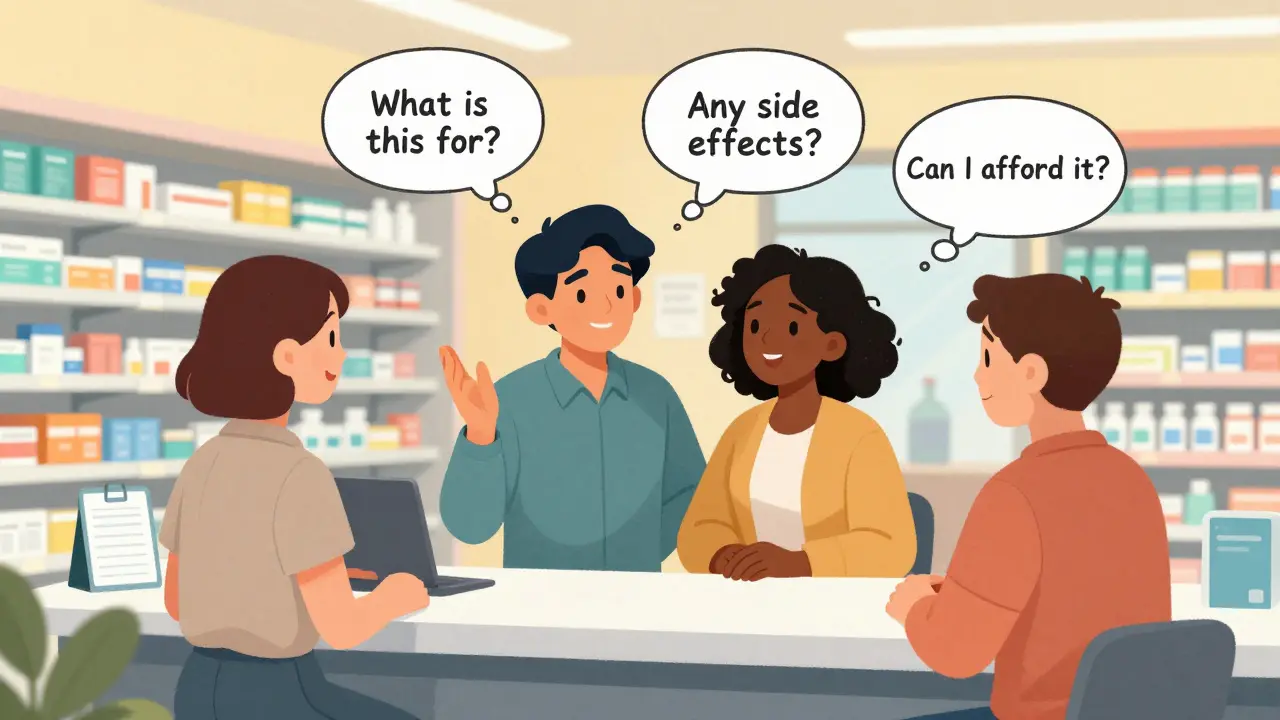
Questions to Ask Your Pharmacist About Prescription Medications
Knowing what to ask your pharmacist about prescription medications can prevent dangerous interactions, reduce side effects, and save money. Learn the key questions to ask for safer, smarter medication use.
Read more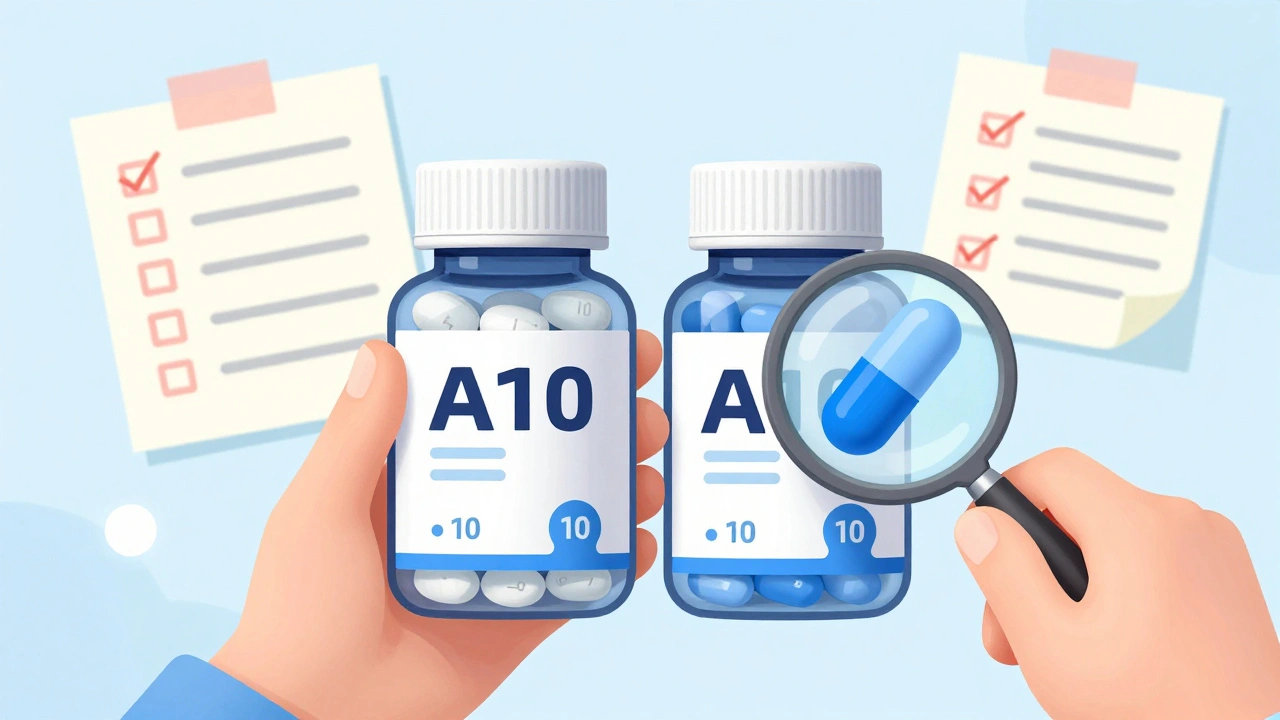
How to Compare New Prescription Labels with Your Old Medication for Safety
Learn how to safely compare new prescription labels with old ones to avoid medication errors. Check the active ingredient, dosage, manufacturer, and pill appearance every time you refill.
Read more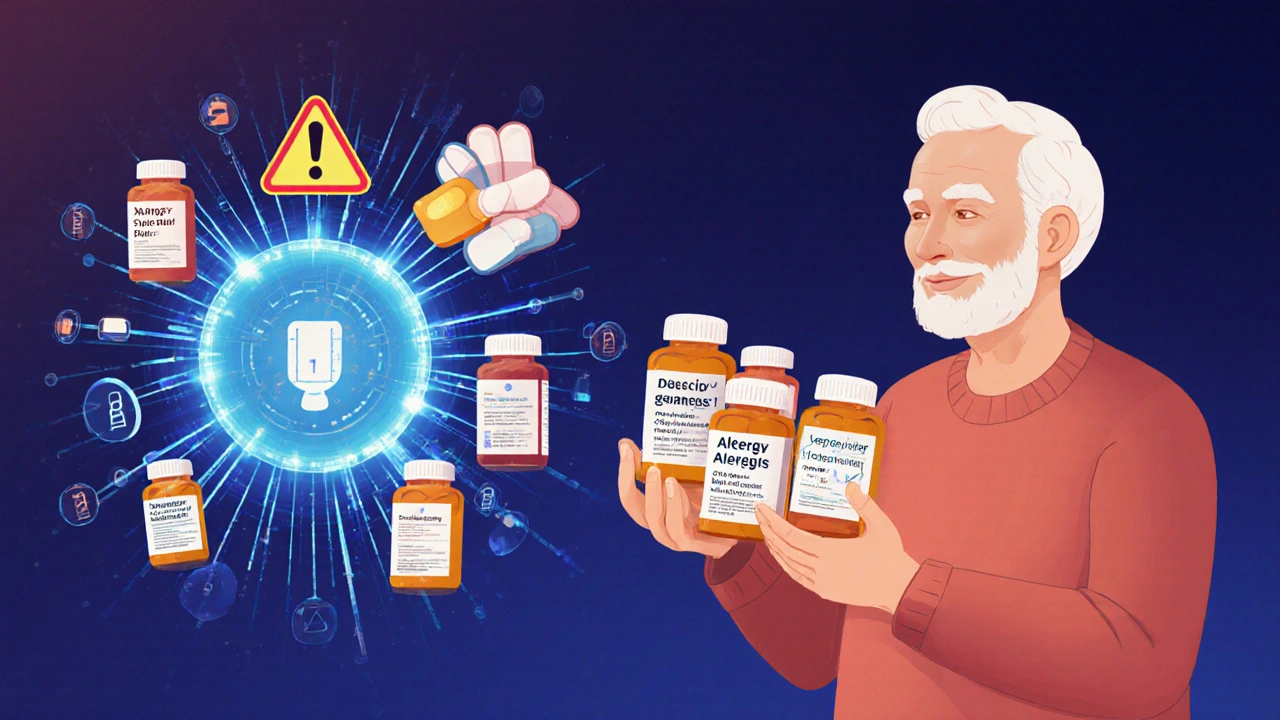
How to Manage Multiple Pharmacies and Prescribers Safely
Learn how to safely manage multiple pharmacies and prescribers for seniors using centralized systems that reduce errors, ensure compliance, and improve medication safety across locations.
Read more