
Generic Substitution: What It Is and Why It Matters for Your Health and Wallet
When your doctor prescribes a brand-name drug but the pharmacy gives you a cheaper version with a different name, that’s generic substitution, the practice of replacing a brand-name drug with a chemically identical generic version approved by regulators. Also known as therapeutic substitution, it’s one of the most common ways to cut prescription costs without losing effectiveness. You might not even notice it—unless your pill looks different, tastes odd, or doesn’t seem to work the same. But here’s the truth: most of the time, generic substitution works exactly as intended. The FDA requires generics to have the same active ingredient, strength, dosage form, and route of administration as the brand. They’re not knockoffs. They’re legally required to be bioequivalent.
But not all generics are treated the same by patients. generic medications, lower-cost versions of brand-name drugs that meet strict regulatory standards face cultural and psychological barriers. Some people distrust them because of color, shape, or packaging—even though the medicine inside is identical. Others worry about inactive ingredients, like dyes or fillers, which can trigger allergies in rare cases. This is why brand name drugs, originally developed medications protected by patents and sold under proprietary names still dominate in some households. But here’s the thing: brand-name drugs aren’t better. They’re just more expensive because of marketing, patents, and research costs. Generic substitution saves patients billions every year. In some cases, switching to a generic cuts your monthly bill by 80% or more.
Still, it’s not always simple. Some drugs, like thyroid meds or blood thinners, need extra care when switching. Even tiny differences in absorption can matter. That’s why your doctor might say "dispense as written"—meaning no substitution. And sometimes, a therapeutic equivalence, the official rating given by the FDA to generics that are clinically interchangeable with brand-name drugs rating isn’t assigned, which means your pharmacist might not be allowed to swap it without approval. But for most common meds—antibiotics, blood pressure pills, antidepressants—generic substitution is safe, smart, and standard practice.
You’ll find real stories here: how people saved hundreds on diabetes meds by switching, why some cultures reject generics based on color, how combination generics can slash costs even further, and when you should push back if a substitution feels wrong. We’ve also covered what happens when you mix generics with other drugs, how to store them safely, and how to spot when a generic isn’t working the way it should. This isn’t about choosing between brand and generic—it’s about understanding when substitution helps, when it doesn’t, and how to make sure you’re getting the right medicine at the right price.
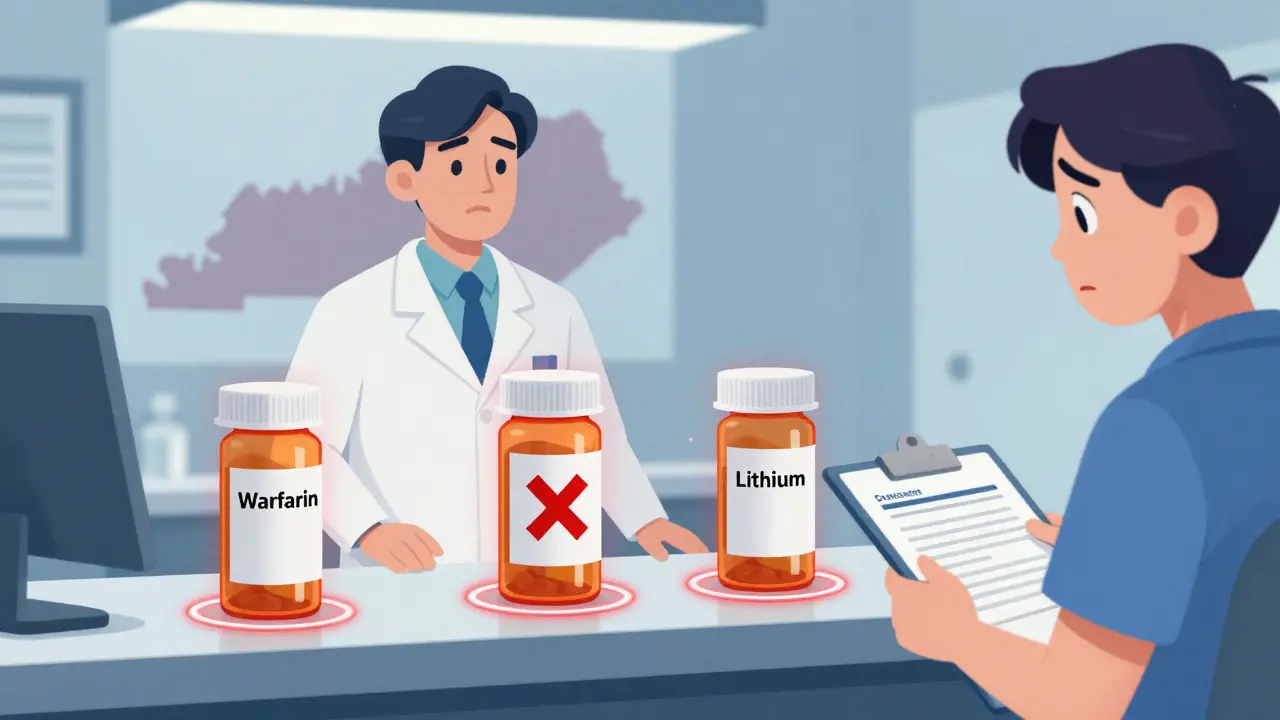
NTI-specific substitution laws: which states have special rules
Twenty-seven states have special rules blocking or restricting generic substitution for Narrow Therapeutic Index (NTI) drugs like warfarin and levothyroxine. These state laws override FDA guidelines and create a patchwork of requirements - from mandatory consent to outright bans.
Read more
How to Talk to Your Doctor About Staying on a Brand Medication When Generics Are Pushed
Learn how to effectively talk to your doctor about staying on a brand medication when insurers push for generics. Get practical steps, communication tips, and evidence-backed reasons to avoid switching if it affects your health.
Read more