
Z-drug overdose: Risks, Signs, and What to Do When It Happens
When someone takes too much of a Z-drug, a class of prescription sleep medications including zolpidem, zaleplon, and eszopiclone, used to treat insomnia. Also known as non-benzodiazepine hypnotics, these drugs work fast but carry serious risks if misused or combined with other depressants. A Z-drug overdose isn’t just about taking an extra pill — it’s often the result of mixing them with alcohol, opioids, or even certain antidepressants. The body slows down too much: breathing gets shallow, heart rate drops, and consciousness fades. In severe cases, it can lead to coma or death.
People often think these sleep meds are safer than old-school benzodiazepines, but that’s a dangerous myth. The FDA has issued multiple warnings about Z-drugs causing complex sleep behaviors — like sleepwalking, driving, or making phone calls while not fully awake — and overdose risk rises sharply when taken in higher doses or without medical supervision. Emergency rooms see dozens of cases each year where people took Z-drugs to "get high" or combined them with painkillers. The real danger? Many don’t realize how little it takes to cross the line. A single extra dose of zolpidem, especially in older adults or those with liver problems, can be enough to trigger a crisis.
Signs of overdose include extreme drowsiness, confusion, slurred speech, slow or irregular breathing, cold and clammy skin, and unresponsiveness. If someone you know shows these symptoms after taking a Z-drug, don’t wait. Call emergency services immediately. Naloxone won’t reverse a Z-drug overdose — it only works on opioids — so time matters. While waiting for help, keep the person awake and on their side to prevent choking. Never try to make them vomit or give them coffee to "wake them up." Those myths can make things worse.
Prevention starts with knowing your prescription. These medications are meant for short-term use — usually no more than a few weeks. Long-term use increases tolerance, dependence, and overdose risk. If you’re taking one of these drugs, never mix it with alcohol, muscle relaxers, or anti-anxiety meds. Store them out of reach of children and teens. And if you’ve ever felt like you need more to fall asleep, talk to your doctor. There are safer, non-drug ways to improve sleep that don’t come with this level of risk.
Below, you’ll find real-world advice from people who’ve dealt with medication safety issues — from reading labels correctly to avoiding dangerous interactions with caffeine, managing multiple prescriptions, and knowing when to speak up about staying on a brand drug. These aren’t theoretical warnings. They’re lessons from patients and providers who’ve seen what happens when things go wrong — and how to stop it before it starts.
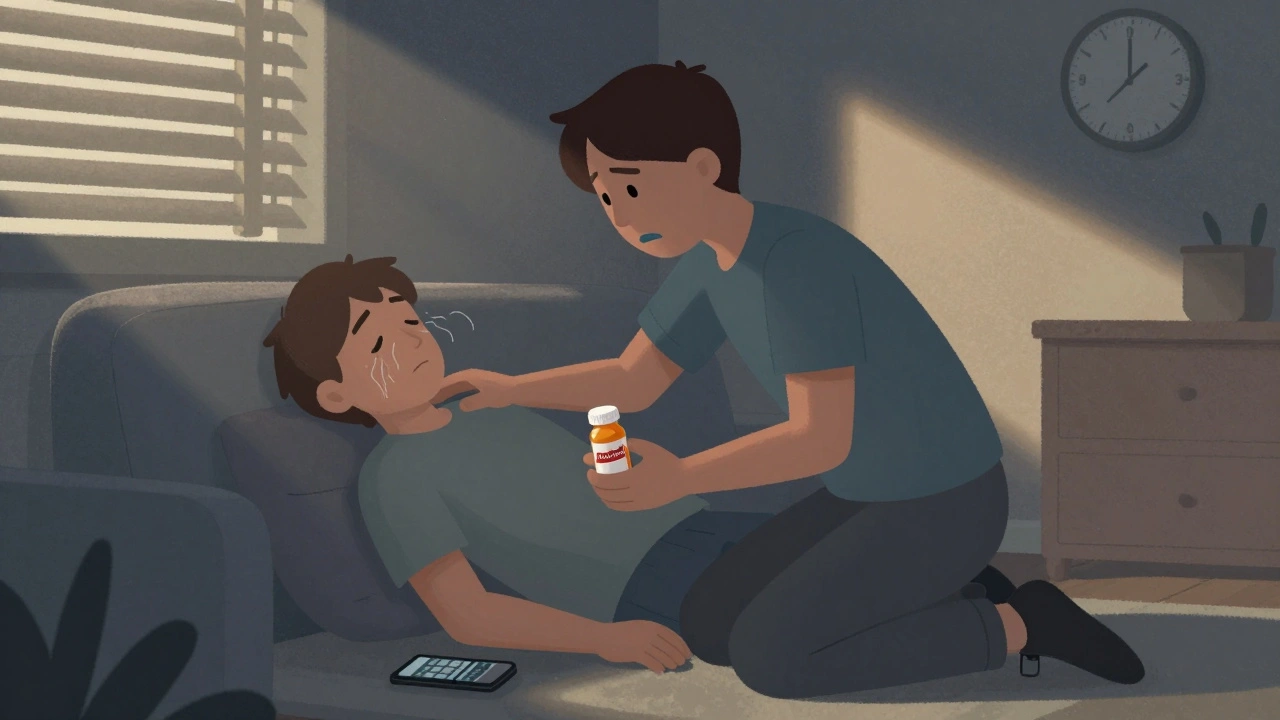
How to Recognize Overdose from Sedatives and Sleep Medications
Learn the critical signs of sedative and sleep medication overdose-unresponsiveness, slow breathing, blue lips, and loss of coordination. Know what to do before it's too late.
Read more