
Talk to Doctor: Why Talking to Your Doctor Matters for Safe Medication Use
When you talk to doctor, a direct conversation about your health, medications, and concerns, you’re not just checking a box—you’re preventing real harm. Many people skip this step because they think their pharmacist or online research is enough. But no algorithm can replace the nuance of telling your doctor you’ve been taking coffee with your thyroid pill, or that you’ve been skipping doses because the cost is too high. medication safety, the practice of using drugs correctly to avoid harm starts with honest dialogue, not just prescriptions.
When you talk to doctor, a direct conversation about your health, medications, and concerns, you open the door to spotting hidden risks. For example, combining certain antibiotics like azithromycin with other drugs can trigger dangerous heart rhythms—something only a doctor who knows your full list of meds can catch. Or consider how drug interactions, when two or more medications affect each other’s effects or safety can turn a simple painkiller into a threat if you’re also on blood thinners. Even something as common as caffeine can interfere with thyroid medication or warfarin, and most patients don’t realize it until something goes wrong. These aren’t rare cases—they show up in the posts below, from QT prolongation risks with antidepressants to tyramine reactions with linezolid. Your doctor needs to hear about everything you’re taking, even supplements and over-the-counter stuff.
It’s not just about avoiding bad reactions—it’s about getting the right treatment. If you’re struggling with side effects from an expensive drug, your doctor might not know unless you say something. The same goes for confusion over generics, cultural beliefs about pills, or fear of insulin because of misinformation. prescription advice, personalized guidance on how, when, and why to take medications isn’t one-size-fits-all. It’s shaped by your lifestyle, your finances, your fears, and your body’s unique response. That’s why posts on penicillin desensitization, emergency kit storage, or safe disposal of chemotherapy exist—they all start with someone speaking up. And when you patient communication, the exchange of health information between patient and provider becomes a habit, you stop being a passive recipient of pills and become an active partner in your care.
You don’t need to be an expert. You just need to show up and speak up. Write down your questions before your appointment. Bring your pill bottles. Say, "I’m worried about this side effect." Or, "I can’t afford this." Or, "I stopped taking it because I didn’t feel right." The posts below cover real stories—people who avoided kidney damage, prevented overdoses, saved money on meds, and survived dangerous reactions—all because they talked to their doctor. You don’t have to guess what’s safe. You don’t have to suffer in silence. The information is here. Now it’s time to use it.
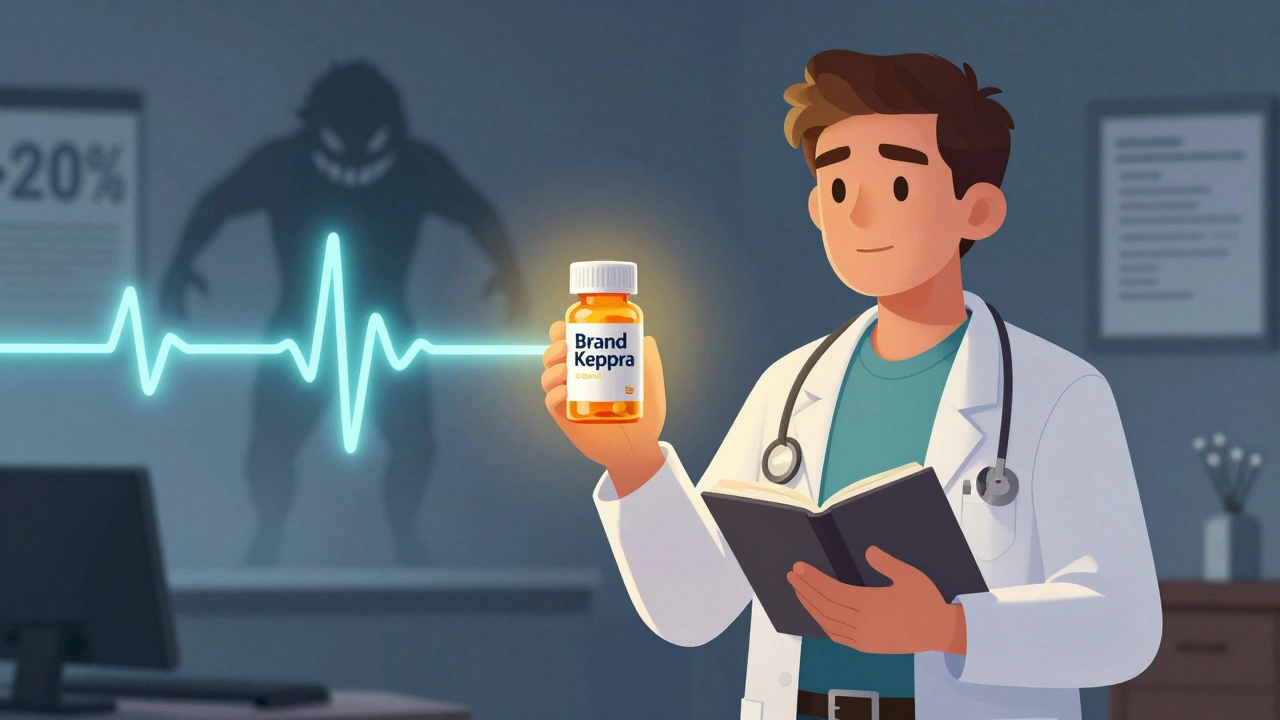
How to Talk to Your Doctor About Staying on a Brand Medication When Generics Are Pushed
Learn how to effectively talk to your doctor about staying on a brand medication when insurers push for generics. Get practical steps, communication tips, and evidence-backed reasons to avoid switching if it affects your health.
Read more