
Store Pills Long Term: Safe Storage, Risks, and What You Need to Know
When you store pills long term, keeping medications beyond their immediate use period, you’re not just putting bottles in a drawer—you’re managing safety, effectiveness, and even legal responsibility. Many people hold onto leftover antibiotics, painkillers, or heart meds for "just in case," but improper storage can turn those pills into hazards. The medication storage, the conditions under which drugs are kept to preserve potency and safety isn’t just about avoiding moisture—it’s about temperature, light, kids, pets, and even the bathroom cabinet you think is convenient.
Heat, humidity, and sunlight break down active ingredients faster than you’d expect. Storing drug expiration, the date after which a medication is no longer guaranteed to be safe or effective dates aren’t just legal fine print—they’re science. A 2022 FDA study found that 20% of expired insulin lost over 30% potency after just three months past the date. Even common pain relievers like ibuprofen degrade in humid environments, turning into less effective—or worse, irritating—compounds. And if you’re keeping meds in a bathroom, you’re exposing them to steam from showers, which can ruin capsules and tablets. The pill safety, practices that prevent accidental ingestion, misuse, or degradation of medications starts with choosing the right spot: a cool, dry place like a bedroom closet, away from windows and heat sources.
But it’s not just about keeping pills working—it’s about keeping them out of the wrong hands. Kids and pets can’t tell the difference between candy and pills. One study showed that over 60,000 children under six are treated each year in U.S. emergency rooms after swallowing medications found at home. If you’re pharmaceutical storage, systematic methods for preserving the integrity and security of drug products over time for long-term use, lockboxes aren’t optional—they’re essential. Also, never mix different meds in one container unless your pharmacist says it’s safe. Labels fade, pills look alike, and mixing can lead to deadly mistakes.
And what about those old antibiotics from last year’s sinus infection? Or that leftover opioid prescription? Holding onto them doesn’t make you prepared—it makes you risky. Unused controlled substances are a major source of misuse. The CDC reports that nearly 70% of people who misuse prescription painkillers get them from friends or family, often from home medicine cabinets. If you’re not using a pill regularly, ask your pharmacist how to dispose of it safely. Many pharmacies now offer take-back programs.
So if you’re store pills long term, ask yourself: Is this still needed? Is it stored right? Is it secure? Is it still good? This collection of posts dives into exactly that—real-world stories, expert advice, and science-backed tips on keeping your meds safe, effective, and out of harm’s way. You’ll find what to do with expired drugs, how to handle chemotherapy waste at home, why some pills lose power in heat, and how to manage multiple prescriptions without mixing them up. No fluff. Just what you need to know to protect yourself, your family, and your health.
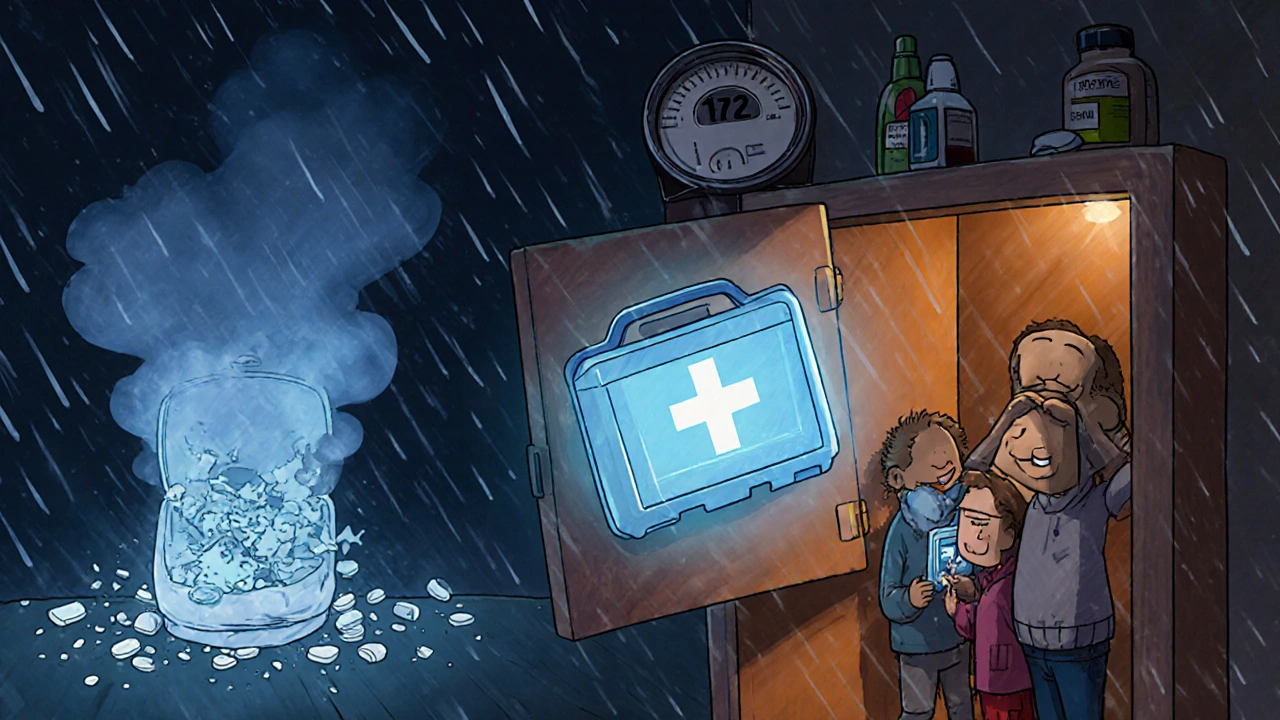
How to Store Emergency Kits to Maximize Medication Shelf Life
Learn how to store emergency medications properly so they stay effective during power outages and disasters. Avoid common mistakes that ruin pills, insulin, and epinephrine - and keep your kit ready for real emergencies.
Read more