
Sleep Medication Overdose: Signs, Risks, and What to Do
When someone takes too much of a sleep medication overdose, a dangerous intake of drugs designed to induce or maintain sleep, often leading to respiratory depression, unconsciousness, or death. Also known as sleeping pill overdose, it happens more often than people realize—sometimes by accident, sometimes intentionally, and often when mixed with alcohol or other drugs. These medications, including benzodiazepines like diazepam or non-benzodiazepine sleep aids like zolpidem, are meant to be taken in small, controlled doses. But when the body gets too much, it shuts down. Breathing slows. Heart rate drops. Consciousness fades. It’s not just about taking an extra pill—it’s about how these drugs interact with your brain’s natural sleep-wake cycle and how easily they can overwhelm it.
One of the biggest dangers is mixing sleep meds with alcohol, a central nervous system depressant that amplifies the sedative effects of sleep medications. A person might take their usual dose of zolpidem and have a glass of wine to relax, not realizing they’re doubling the risk. Or they might combine it with an opioid painkiller, which is especially deadly. Even over-the-counter sleep aids like diphenhydramine (Benadryl) can cause overdose at high doses, leading to confusion, rapid heartbeat, seizures, or coma. Older adults are at higher risk because their bodies process these drugs slower, and many take multiple medications that interact in hidden ways.
Another hidden risk is benzodiazepine overdose, a type of overdose involving drugs that enhance the effect of GABA, a brain chemical that calms nerve activity. These are often prescribed for anxiety or insomnia, but tolerance builds quickly. People who take them long-term may start taking more to feel the same effect, increasing overdose risk. And if someone stops and then restarts after a break, their tolerance drops—making a normal dose suddenly dangerous. This is why doctors now recommend these drugs only for short-term use.
If you suspect a sleep medication overdose, don’t wait. Call emergency services immediately. Do not try to make the person vomit or give them coffee to "wake them up." Keep them awake and in a recovery position if they’re unconscious but breathing. If naloxone is available and opioid use is suspected, administer it—but remember, naloxone won’t reverse a benzodiazepine overdose. The only cure is medical care: airway support, IV fluids, and sometimes flumazenil, a reversal agent used in hospitals under strict supervision.
Prevention is simpler than you think. Always store pills in childproof containers, out of reach. Use a pill organizer with clear labels. Never take someone else’s medication. If you’re worried about dependence, talk to your doctor—there are safer, non-drug options for sleep, like CBT-I. And if you’ve ever thought about taking too many pills, please reach out. You’re not alone, and help exists.
Below, you’ll find real-world guides on medication safety, dosing errors, how to read labels correctly, and what to do when things go wrong—especially with kids, seniors, or when multiple drugs are involved. These aren’t just tips—they’re lifesavers.
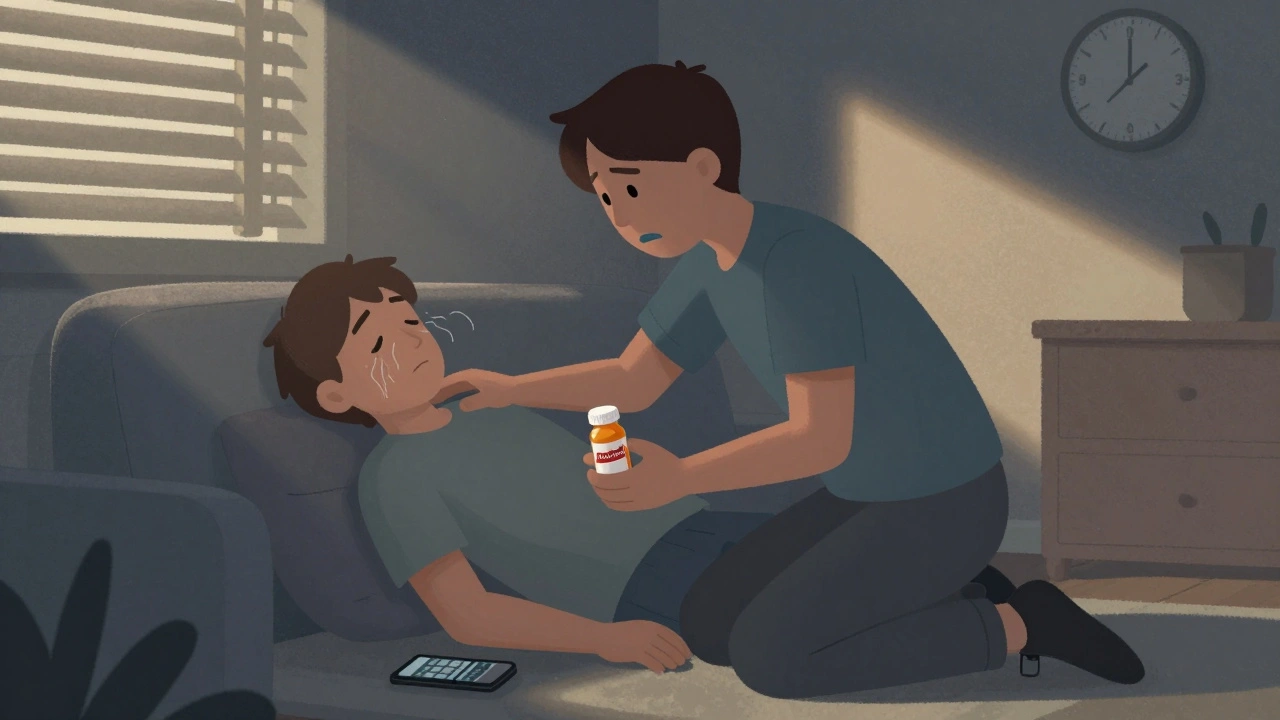
How to Recognize Overdose from Sedatives and Sleep Medications
Learn the critical signs of sedative and sleep medication overdose-unresponsiveness, slow breathing, blue lips, and loss of coordination. Know what to do before it's too late.
Read more