
Signs of Overdose: What to Recognize and When to Act
When someone takes too much of a medication or drug, their body can’t handle it—that’s an overdose, a dangerous reaction to taking more of a substance than the body can safely process. It can happen with prescription pills, over-the-counter drugs, or illegal substances, and it doesn’t always look like what you see in movies. The real danger is that many people don’t recognize the early signs until it’s too late.
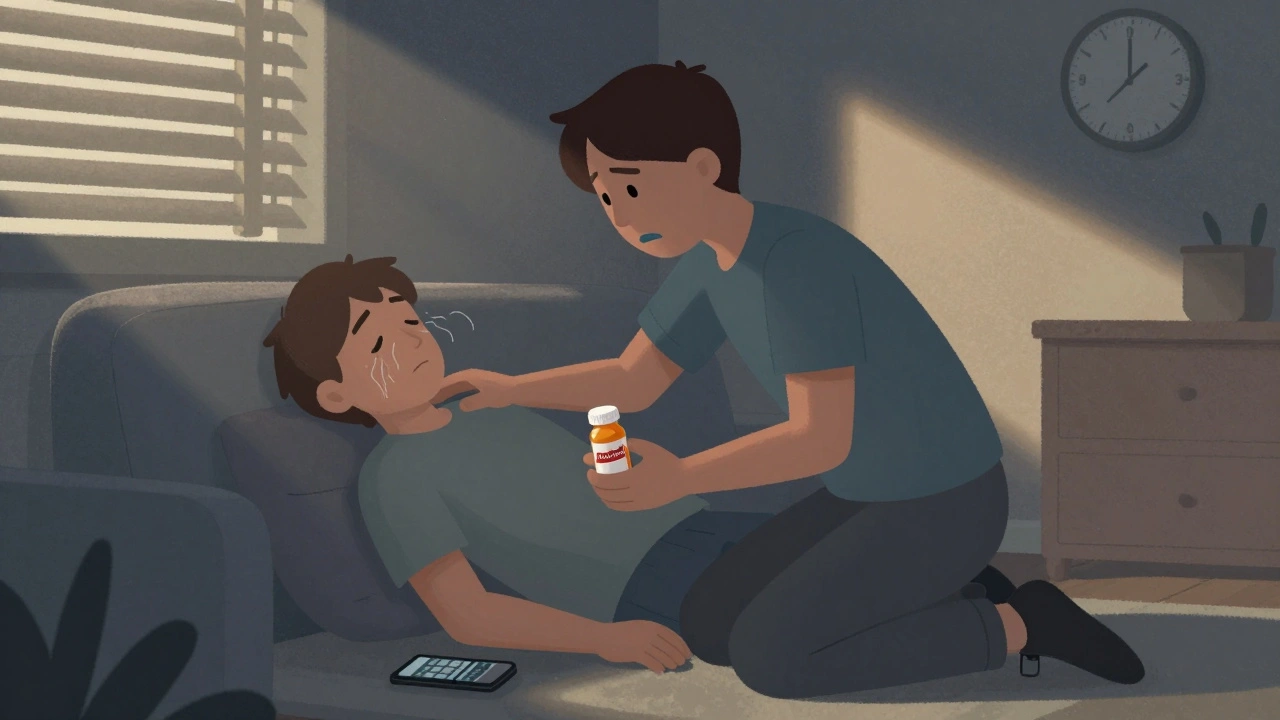
Common signs of overdose, include extreme drowsiness, slow or shallow breathing, blue lips or fingernails, unresponsiveness, and vomiting. These aren’t just side effects—they’re red flags that the brain or heart is shutting down. For opioids like oxycodone or fentanyl, the most critical sign is breathing that’s so slow it stops. With antidepressants or heart medications, confusion, rapid heartbeat, or seizures may show up instead. Even something as simple as too much acetaminophen can quietly damage your liver over hours before you feel sick. The accidental overdose, often caused by misreading labels, mixing medications, or giving the wrong dose to a child is more common than you think. CDC data shows over 70% of pediatric overdoses happen at home because medicines weren’t stored properly.
You don’t need to wait for someone to pass out to act. If you see any of these signs—especially if they’re new or worsening—call emergency services right away. Don’t assume it’s just sleepiness or a bad reaction. Naloxone can reverse opioid overdoses if you have it, but time still matters. Even if the person seems to recover, internal damage might still be happening. That’s why every post in this collection focuses on real-world prevention, recognition, and response—whether you’re caring for an elderly parent, managing your own meds, or keeping kids safe.
Below, you’ll find clear, no-fluff guides on how to spot trouble before it escalates, how to store medicines to avoid accidents, what to do if a child gets into pills, and how to read labels so you never give the wrong dose. These aren’t theoretical tips—they’re what doctors and emergency responders wish more people knew.
How to Recognize Overdose from Sedatives and Sleep Medications
Learn the critical signs of sedative and sleep medication overdose-unresponsiveness, slow breathing, blue lips, and loss of coordination. Know what to do before it's too late.
Read more