
SGLT2 Inhibitors: How They Work, Who They Help, and What You Need to Know
When you hear SGLT2 inhibitors, a class of oral diabetes medications that lower blood sugar by making the kidneys remove excess glucose through urine. Also known as gliflozins, they’re not just for diabetes—they’re now a go-to for people with heart failure or chronic kidney disease, even if they don’t have diabetes. These drugs work differently from insulin or metformin. Instead of forcing your body to use insulin better or making your liver release less sugar, they tell your kidneys to flush out extra glucose like a natural diuretic. That’s why you might notice more frequent urination when you start taking them—it’s not a side effect, it’s the mechanism.
Three main names come up again and again: empagliflozin, a drug proven to cut heart-related deaths in people with type 2 diabetes and heart disease, dapagliflozin, shown to slow kidney decline in both diabetic and non-diabetic patients, and canagliflozin, the first of its kind to show clear benefits for heart failure hospitalizations. These aren’t just sugar-lowering pills—they’re protective. Studies like EMPA-REG and DAPA-HF didn’t just measure blood sugar. They tracked heart attacks, hospital stays, and even death rates. And the results? Big. People on these drugs lived longer and spent less time in the hospital.
But they’re not magic. You need to stay hydrated. Dehydration can lead to dizziness or even low blood pressure, especially when you first start. There’s also a small risk of genital yeast infections because sugar in urine feeds yeast. And while they help with weight loss, it’s usually modest—around 5 to 10 pounds over months. They’re not appetite suppressants. They’re kidney filters. What’s interesting is how they show up in posts about heart health, kidney disease, and even weight management—not just diabetes. That’s because their impact goes beyond glucose. They reduce pressure in the kidneys, lower inflammation, and improve how the heart pumps blood.
You’ll find real stories here: how someone switched from insulin to an SGLT2 inhibitor and stopped getting nighttime lows, how a patient with early kidney damage slowed the decline, or how a person with heart failure felt less winded walking up stairs. These aren’t theoretical benefits. They’re daily changes. The posts below dive into comparisons with other diabetes drugs, real-world side effects, what to watch for, and how these drugs fit into broader treatment plans for heart and kidney health. Whether you’re taking one, considering one, or just trying to understand why your doctor mentioned it, this collection gives you the clear, no-fluff facts you need.
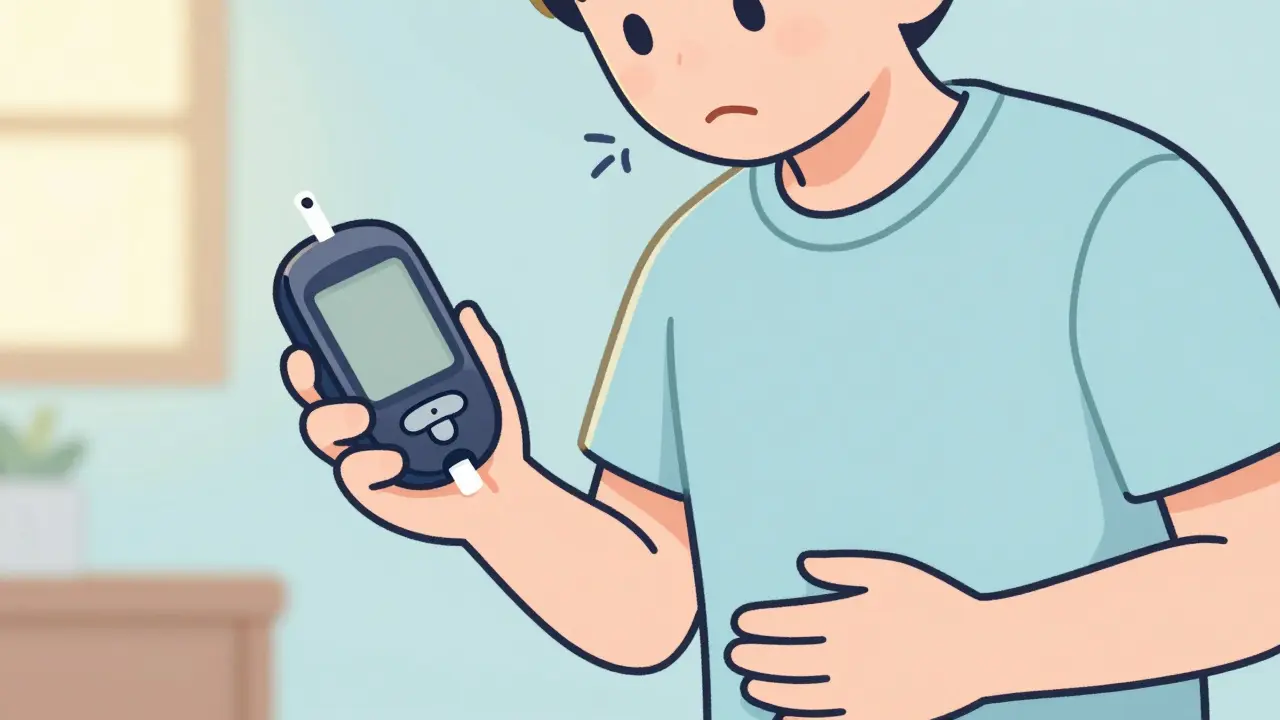
SGLT2 Inhibitors and Diabetic Ketoacidosis Risk: Symptoms, Causes, and Prevention
Learn how SGLT2 inhibitors for type 2 diabetes can cause diabetic ketoacidosis even with normal blood sugar. Understand symptoms, risk factors, and how to prevent this serious complication. Includes latest guidelines and real-world data on managing this rare but dangerous side effect.
Read more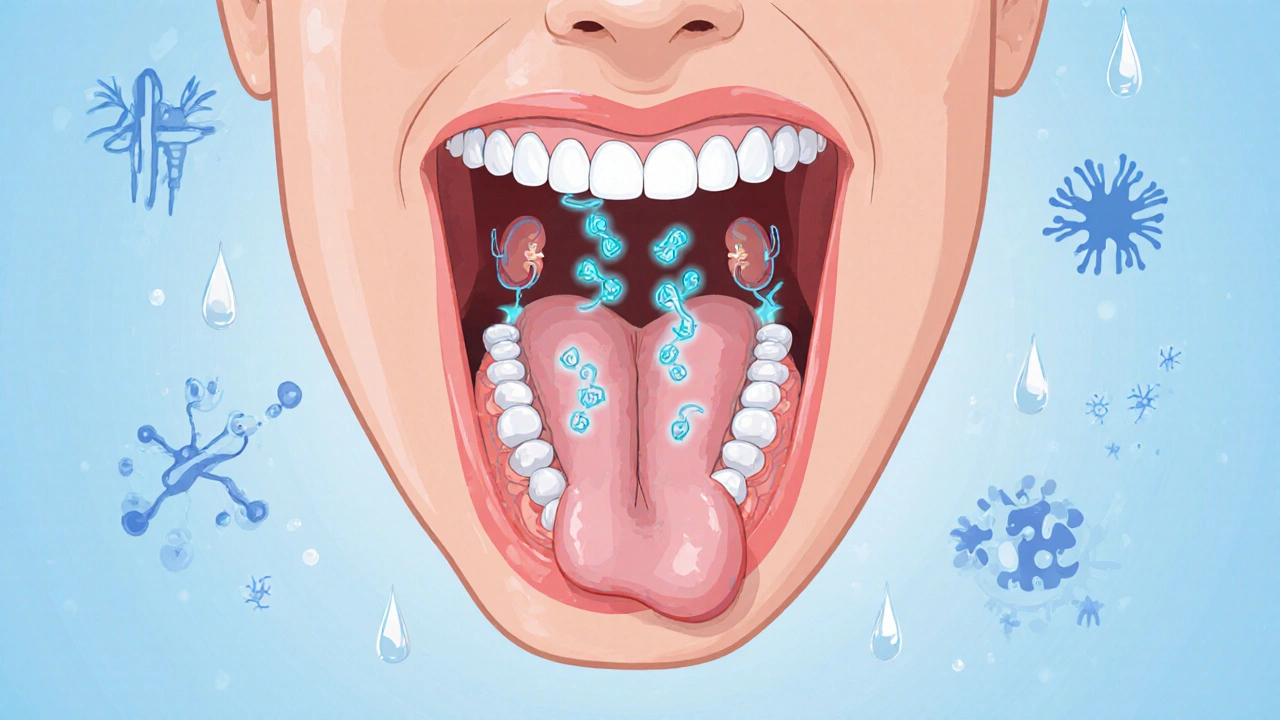
Canagliflozin and Dental Health: What You Need to Know
Canagliflozin helps control blood sugar but increases the risk of dry mouth, gum disease, and oral thrush. Learn how to protect your teeth while taking this diabetes medication.
Read more