
Sedative Overdose: Signs, Risks, and What to Do If It Happens
When someone takes too much of a sedative, a drug that slows down brain activity to induce calm or sleep. Also known as central nervous system depressants, these medications include benzodiazepines like diazepam, sleep aids like zolpidem, and even some muscle relaxants or alcohol. Too much can shut down breathing and heart function—quickly. It’s not always intentional. Many overdoses happen because people mix sedatives with alcohol, opioids, or even over-the-counter sleep aids, not realizing how dangerous the combo is.
One of the biggest risks is benzodiazepine overdose, a type of sedative overdose that’s common in older adults or those with anxiety disorders. Unlike opioids, naloxone won’t reverse it, so timing matters more than ever. Symptoms include extreme drowsiness, confusion, slurred speech, slow or shallow breathing, cold or clammy skin, and loss of consciousness. If someone is unresponsive or breathing less than 8 times a minute, call 911 immediately. Don’t wait. Don’t try to wake them with coffee or cold showers. Just call.
Many people don’t realize how easy it is to accidentally overdose. Taking an extra pill because you didn’t sleep well, doubling up after forgetting a dose, or mixing with a drink at dinner—these aren’t rare mistakes. They’re the leading cause of preventable sedative overdoses. Even prescriptions labeled "safe" become dangerous when combined with other depressants. The medication safety, the practice of using drugs correctly to avoid harm isn’t just about following directions—it’s about knowing what not to mix.
Older adults are especially at risk. Their bodies process these drugs slower, and many take multiple prescriptions that interact in hidden ways. A study from the CDC found that over half of sedative overdose deaths in people over 65 involved at least two different CNS depressants. That’s why reading labels, talking to your pharmacist, and keeping a full list of everything you take—including supplements—isn’t just smart—it’s lifesaving.
What you’ll find below are real, practical guides on how to avoid these mistakes before they happen. You’ll learn how to read labels clearly, store medicines safely to keep kids and seniors out of harm’s way, recognize dangerous interactions with caffeine or alcohol, and know when to speak up if a doctor pushes a medication that doesn’t feel right. These aren’t theoretical tips—they’re actions people have taken to prevent tragedies. Whether you’re caring for an aging parent, managing your own prescriptions, or just want to understand what’s in your medicine cabinet, this collection gives you the tools to act before it’s too late.
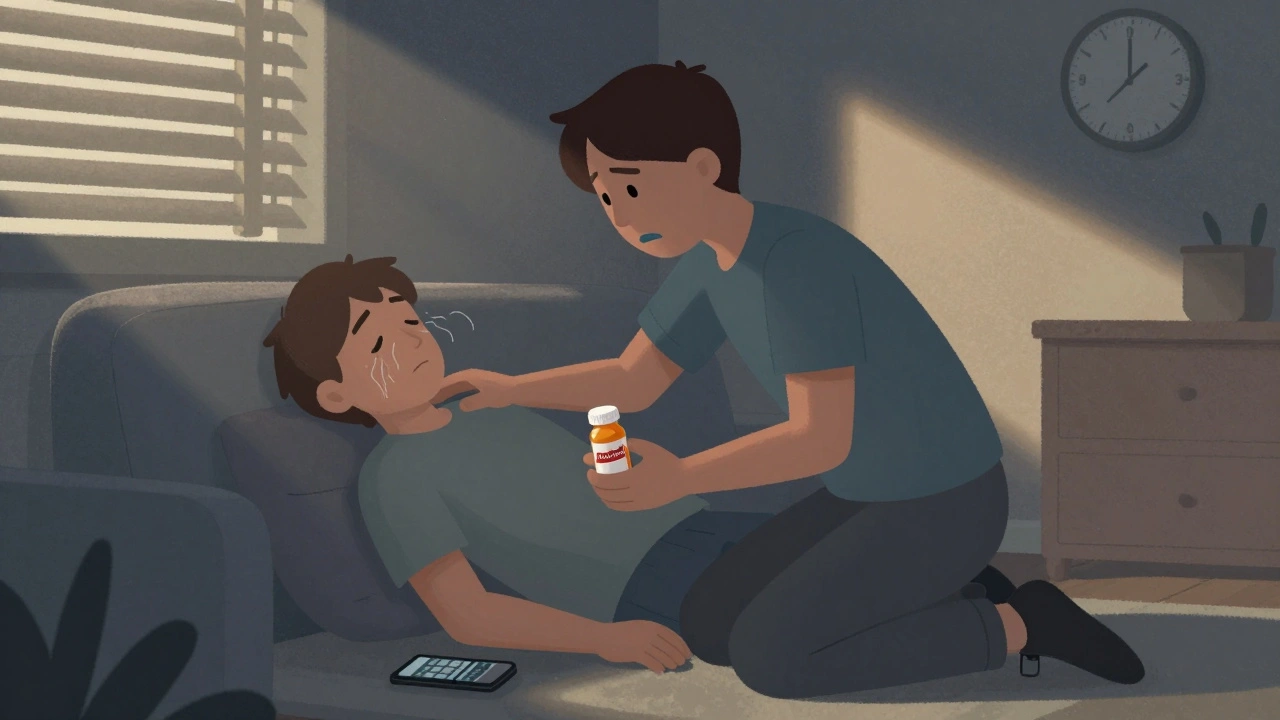
How to Recognize Overdose from Sedatives and Sleep Medications
Learn the critical signs of sedative and sleep medication overdose-unresponsiveness, slow breathing, blue lips, and loss of coordination. Know what to do before it's too late.
Read more