
Remove Prescription Label: How to Safely Dispose of Medication Packaging
When you remove prescription label, you’re not just tidying up — you’re protecting your personal health data. A discarded pill bottle with an active label can expose your name, diagnosis, dosage, and doctor’s details to anyone who finds it. This isn’t just a privacy issue — it’s a security risk. According to the FTC, identity thieves often target medical records, and prescription containers are an easy entry point. Prescription drug disposal, the process of safely getting rid of unused or expired medications and their containers, includes more than just tossing pills in the trash. It means fully erasing identifying information from the packaging too.
Medication packaging, the containers and labels that hold prescription drugs comes in many forms: plastic bottles, blister packs, foil wrappers, and even pre-filled syringes. Each one carries the same risk if the label stays intact. Many people try to peel off labels by hand, but ink often smears or leaves ghost text behind. Others use hot water or rubbing alcohol — which can work, but only if done right. Pharmacy label removal, the specific act of stripping personal data from drug containers before disposal isn’t just about convenience. It’s a step that reduces the chance of someone misusing your medication or using your info to commit fraud.
Some pharmacies offer take-back programs, but not all do — and even when they do, they often won’t take the empty bottles. That’s where you step in. You don’t need special tools. A sharp knife, a bit of soap, and some patience are enough. Scratch off the label with a utility blade, then scrub with warm soapy water. For stubborn ink, try vinegar or baking soda paste. If the label is printed on paper, soaking it in water for a few hours will dissolve the adhesive and blur the text. Always double-check: if you can still read your name or the drug’s name, it’s not gone yet. And never just throw a bottle in the recycling bin with the label on — most recycling centers won’t remove personal info for you.
Why does this matter so much? Because your health data is valuable. Someone could use your prescription label to fake a prescription, sell your pills, or even open credit in your name using your doctor’s info. And it’s not just about you — if you’re disposing of controlled substances like opioids or sedatives, leaving the label on makes it easier for kids or others to find and misuse them. The CDC and FDA both recommend removing labels before tossing bottles. This isn’t a suggestion — it’s a basic safety rule.
In the posts below, you’ll find real-world advice on handling everything from chemotherapy waste to emergency kit storage. Each one touches on how to manage medication packaging safely — whether you’re cleaning up after cancer treatment, storing insulin for a disaster, or just trying to keep your medicine cabinet tidy. These aren’t theoretical tips. They’re steps people have used to avoid accidents, protect their privacy, and stay in control of their health information. What you’ll read here is what works — no fluff, no guesswork, just clear guidance from real cases.
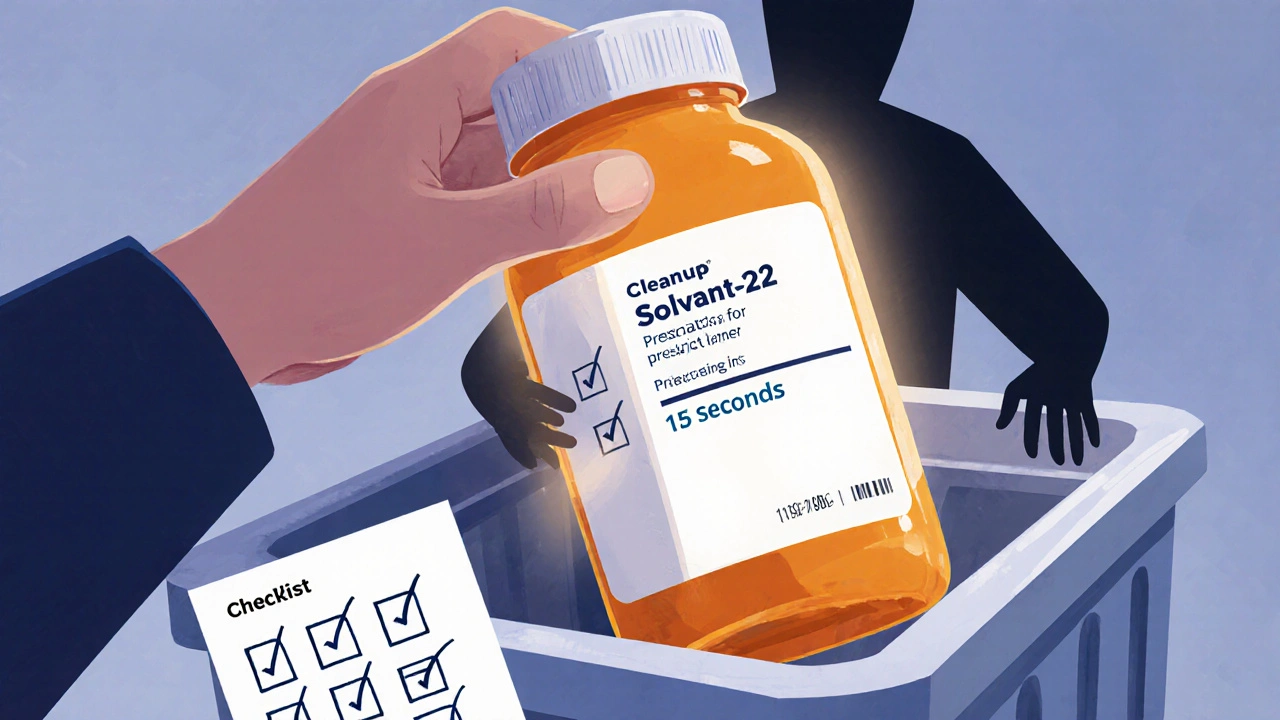
How to Safely Remove Personal Info from Medication Bottles to Prevent Identity Theft
Learn how to safely remove personal information from prescription bottles to prevent identity theft. Discover the best methods, what doesn’t work, and how pharmacies are helping.
Read more