
Prescription Labels: How to Read, Protect, and Use Them Safely
When you pick up a prescription, the prescription labels, the printed information on medicine bottles that tell you how, when, and why to take your drug. Also known as medication labels, they’re your first and most important line of defense against dosing errors, side effects, and identity theft. These aren’t just small pieces of paper—they’re legal documents, safety manuals, and personal health records rolled into one. Yet most people glance at them once and never look again. That’s dangerous.
Reading a prescription label isn’t just about spotting the drug name. You need to understand the dosage instructions, exactly how much to take, how often, and whether to take it with food or on an empty stomach. Miss a word like "every 12 hours" vs. "every 8 hours," and you could overdose or underdose. Warnings matter too—some meds can’t be mixed with alcohol, grapefruit, or even caffeine. The medicine safety, the full set of practices that keep you from harm when using drugs, including proper storage, disposal, and interaction awareness. It’s not just about taking pills—it’s about knowing when not to take them.
And then there’s the hidden risk: your personal info. Prescription bottles have your name, address, doctor’s name, and sometimes even your diagnosis. Throw them in the trash without removing that data, and you’re inviting identity theft. That’s why learning how to remove prescription label, the safe, effective way to erase or destroy personal details from medication bottles before disposal. isn’t just a good habit—it’s a necessity. Pharmacies are starting to help with tear-off strips and digital labels, but you still need to know what works and what doesn’t.
These labels also change over time. A refill might have new instructions. A generic switch might mean a different shape or color. If you don’t check the label each time, you might think you’re taking the same thing when you’re not. That’s how people end up on the wrong drug, or take expired pills, or miss critical warnings about heart risks or liver damage. And it’s not rare—hundreds of thousands of ER visits every year happen because someone misread a label.
Below, you’ll find real, practical guides on how to read these labels correctly, how to protect your privacy when tossing out old bottles, how to handle travel with time-sensitive meds, and what to do when you’re unsure what a warning means. No fluff. No jargon. Just clear steps to keep you and your family safe.
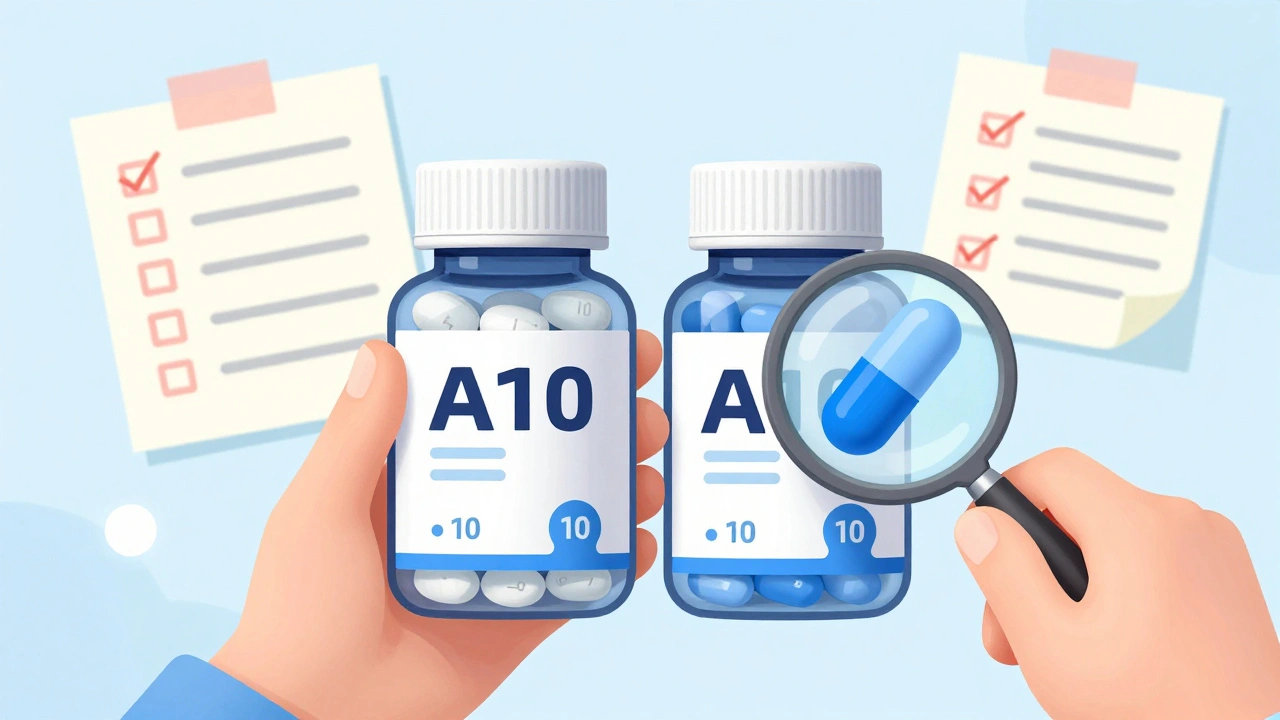
How to Compare New Prescription Labels with Your Old Medication for Safety
Learn how to safely compare new prescription labels with old ones to avoid medication errors. Check the active ingredient, dosage, manufacturer, and pill appearance every time you refill.
Read more