
Pill Identification: How to Recognize Medications by Shape, Color, and Imprint
When you find an unknown pill, pill identification, the process of recognizing medications by their physical traits like color, shape, and imprint. Also known as medication lookup, it’s a simple but critical skill that can prevent accidental overdoses, mix-ups, or taking expired drugs. Many people keep leftover pills in drawers, carry them in bags, or find them in kids’ rooms—without knowing what they are. A white oval with "20" on one side isn’t just a random pill; it could be a high-dose opioid, a blood thinner, or a cheap generic. Getting it wrong has real consequences.
Every FDA-approved pill in the U.S. has a unique imprint code, letters or numbers stamped or engraved on the tablet to identify the drug, manufacturer, and strength. These aren’t random—they follow strict guidelines. A pill with "V 213" is different from "V 235," even if they look identical. Color and shape matter too. A blue, round pill with "10" on one side is likely a 10mg oxycodone, while a yellow, capsule-shaped pill with "54 543" is a different opioid entirely. pill color, the hue used to distinguish medications visually isn’t just for branding—it helps patients and pharmacists spot differences fast. But don’t assume color means the same thing across brands. A blue pill from one company might be a different drug than a blue pill from another.
What about shape? pill shape, the physical form of a tablet or capsule that aids in identification and swallowing is another key clue. A diamond-shaped pill is rare—most are round, oval, or capsule-shaped. If you see a hexagon or star, it’s likely a specialty drug or a foreign product. Some people use apps or online databases to match pills, but those can be outdated or wrong. The safest way is to check the imprint against the FDA’s database or call your pharmacist. Never guess. Taking a pill you can’t identify is like driving blindfolded.
These aren’t just academic details. In the last decade, over 100,000 emergency room visits each year in the U.S. are linked to people accidentally taking the wrong pill—often because they didn’t know what it was. A grandparent grabs a bottle labeled "for pain" and takes a 30mg oxycodone thinking it’s ibuprofen. A teen finds a blue pill in their sibling’s room and swallows it for a buzz. A caregiver mixes up insulin and thyroid pills because both are white and round. These aren’t rare cases. They happen every day.
The posts below give you real, practical ways to handle this. You’ll learn how to read imprint codes, understand why some pills look different even if they’re the same drug, and what to do if you find a mystery pill in your house. We’ll show you how to use free tools to match pills safely, what to avoid when searching online, and how to talk to your pharmacist when you’re unsure. Whether you’re managing your own meds, helping an aging parent, or just want to keep your home safe, knowing how to identify pills isn’t optional—it’s basic health literacy.
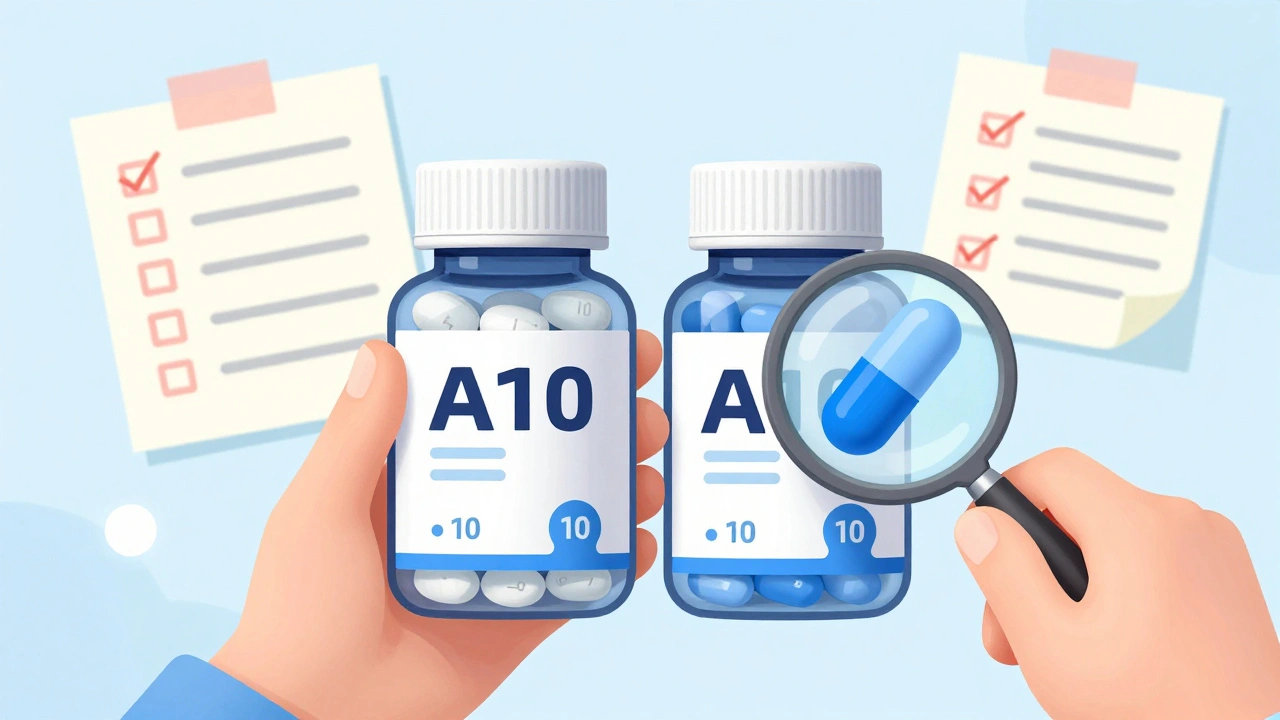
How to Compare New Prescription Labels with Your Old Medication for Safety
Learn how to safely compare new prescription labels with old ones to avoid medication errors. Check the active ingredient, dosage, manufacturer, and pill appearance every time you refill.
Read more