
Personal Info on Medicine Bottles: What You Need to Know for Safety and Accuracy
When you pick up a prescription, the personal info on medicine bottles, the name, date of birth, address, and prescriber details printed on the label. Also known as prescription label data, it’s the first line of defense against deadly mix-ups—whether it’s the wrong drug, the wrong dose, or the wrong person taking it. This isn’t just bureaucracy. It’s your insurance against error. If your name is misspelled, your birth year is wrong, or the prescriber’s info is missing, that bottle could be dangerous—even if the pills inside are perfect.
Think about it: pharmacies fill hundreds of prescriptions a day. A nurse grabs a bottle labeled "John Smith" when yours is "Jon Smith"? A senior grabs a pill meant for their spouse because the label looks similar? These aren’t rare accidents. They happen every day. The medication labeling, the standardized text and symbols on prescription containers that identify the drug, dosage, and patient must be clear, complete, and accurate. That means your full legal name, correct DOB, exact address, and the prescriber’s name and DEA number should all be there. Missing any of these? It’s not a small oversight—it’s a gap in your safety net. And if you’re managing multiple medications, like many seniors do, those labels become your map. Without them, you’re flying blind.
Then there’s the drug identification, the visual and textual markers on a pill bottle that confirm the medication’s identity, strength, and manufacturer. Color, shape, imprint code—these aren’t just design choices. They’re your backup when the label smudges or you’re in a hurry. If your insulin pen looks like your blood pressure pill because the bottle labels are faded, you’re one mistake away from a hospital visit. And if you ever refill at a different pharmacy, the prescription safety, the practices and systems that prevent medication errors through clear labeling, verification, and patient education system has to hold up. That’s why checking your bottle every time matters. Compare it to the last one. Does the pill look different? Is the dosage changed? Is your name spelled right? If something feels off, don’t assume it’s fine. Ask. Double-check. Walk away if something doesn’t match.
These aren’t just tips. They’re lifesavers. The posts below show you how personal info on medicine bottles connects to real risks: accidental overdoses in kids, dangerous drug interactions, storage mistakes that ruin pills, and cultural misunderstandings that make people skip meds because the label looks "wrong." You’ll learn how to spot red flags, how to talk to pharmacists when something’s off, and how to protect yourself when you’re juggling multiple prescriptions. This isn’t about being paranoid. It’s about being smart. Your pills are powerful. Their labels should be too.
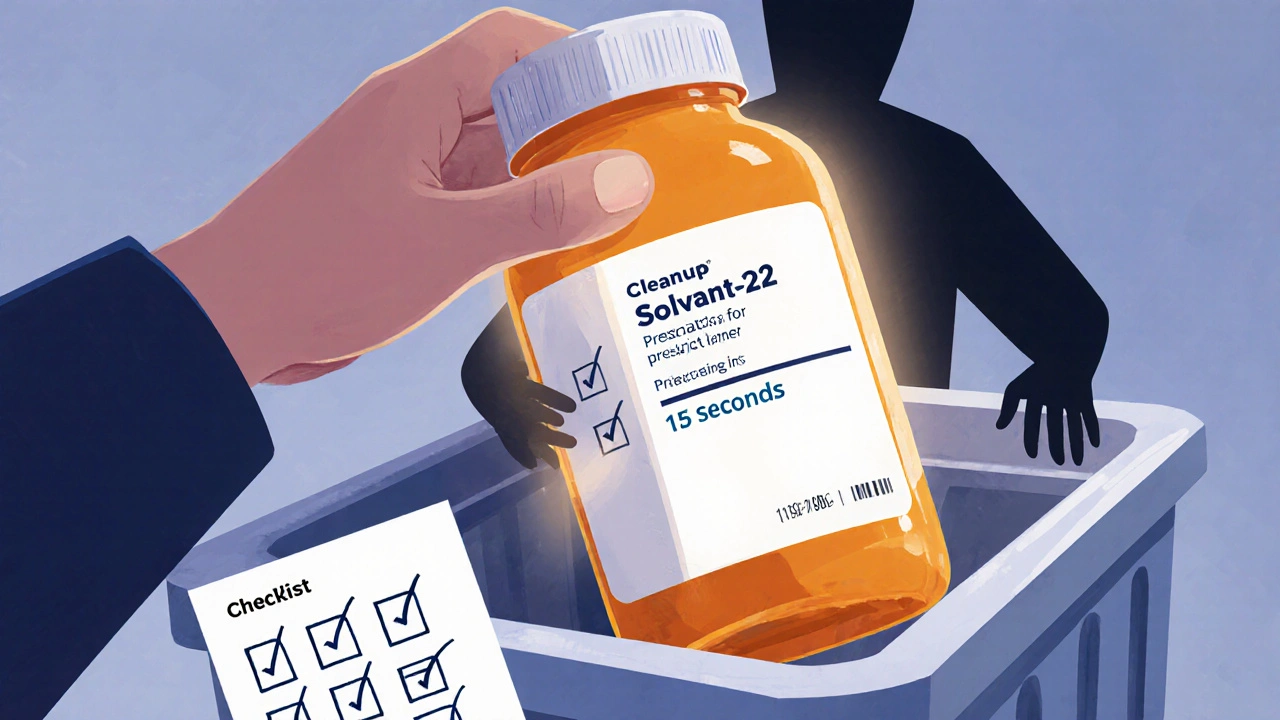
How to Safely Remove Personal Info from Medication Bottles to Prevent Identity Theft
Learn how to safely remove personal information from prescription bottles to prevent identity theft. Discover the best methods, what doesn’t work, and how pharmacies are helping.
Read more