
Patient Adherence: Why Taking Medication as Prescribed Matters
When you're told to take a medication every day, patient adherence, the extent to which a person follows their prescribed treatment plan is what turns a good drug into a life-changing one. It’s not about willpower—it’s about systems, habits, and understanding why skipping a dose can undo weeks of progress. Whether it’s blood pressure pills, diabetes meds, or antibiotics, if you don’t take them as directed, the treatment fails—even if the drug itself works perfectly.
Many people think non-adherence is just forgetfulness, but it’s deeper than that. medication compliance, the degree to which patients follow medical advice is affected by cost, side effects, complexity, and even how well they understand why the medicine matters. A senior managing five different prescriptions from three doctors? That’s not just confusing—it’s dangerous. And when someone stops taking antibiotics early because they feel better, they’re not saving money—they’re risking resistant infections. drug adherence, the consistent use of prescribed medications over time isn’t a personal failure—it’s a system failure if the design doesn’t support it.
What you’ll find in these posts isn’t just theory. It’s real-world fixes: how to safely handle multiple pharmacies, why ECG tests matter before certain heart meds, how to avoid deadly food interactions with antibiotics like linezolid, and how combination generics can make adherence easier by cutting pill count and cost. You’ll see how diabetes drugs affect dental health, why some antidepressants increase cognitive risk, and how chemotherapy disposal isn’t just about safety—it’s about preventing accidental exposure to family members. These aren’t isolated issues. They’re all tied to one thing: whether people can and will stick to their treatment.
There’s no magic fix for patient adherence. But there are clear steps—simpler regimens, better communication, smarter tools—that make a difference. What follows are practical guides written for people who need to take meds, care for someone who does, or help them do it right. No fluff. No jargon. Just what works.
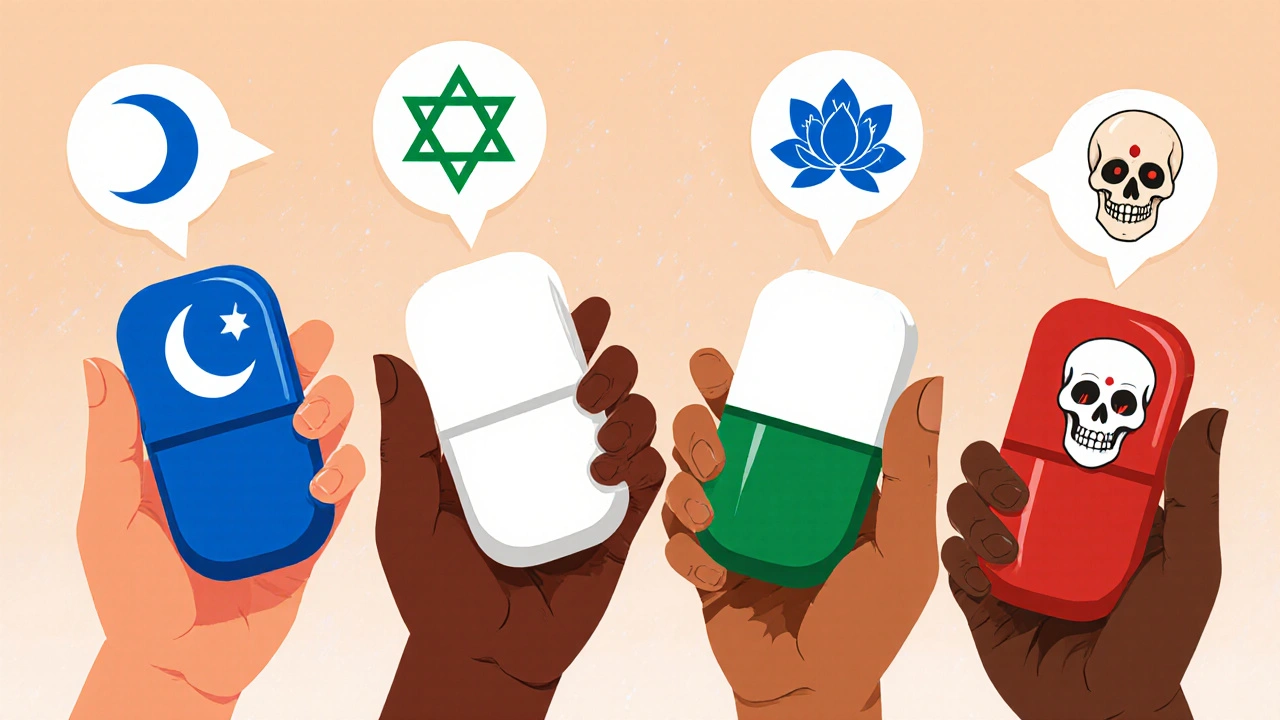
Multicultural Perspectives on Generics: How Culture Shapes Patient Trust and Adherence
Cultural beliefs shape how patients perceive generic medications-from color and shape to religious ingredients. Understanding these perspectives is key to improving adherence and health equity in diverse communities.
Read more