
Naloxone for Kids: What Parents and Caregivers Need to Know
When a child accidentally ingests opioids—whether it’s a pill left on a nightstand, a patch stuck to a sibling’s skin, or a dose meant for an adult—naloxone, a life-saving medication that reverses opioid overdose by blocking opioid receptors in the brain. Also known as Narcan, it’s not just for adults. More families now keep it on hand, and for good reason: opioid overdoses in children are rising, and minutes matter.
Naloxone works fast—often within 2 to 5 minutes—and it’s safe for kids of all ages, from infants to teens. It doesn’t cause a high, doesn’t trigger withdrawal in someone who hasn’t taken opioids, and won’t harm a child who didn’t ingest any opioids at all. That’s why experts now recommend having it ready, even if you don’t think your child is at risk. The real danger isn’t always intentional use—it’s accidental exposure. A toddler finds a fentanyl patch. A teen takes a pill they think is just pain medicine. A child gets into a parent’s prescription bottle. These aren’t rare scenarios anymore.
Opioid overdose in children, a medical emergency marked by slow or stopped breathing, extreme drowsiness, and unresponsiveness. Also known as respiratory depression from opioids, it can turn fatal in under 10 minutes. Naloxone is the first-line defense. But it’s not a cure-all. After giving naloxone, you still need to call 911. The effects of naloxone wear off faster than some opioids, and the child could slip back into overdose. That’s why emergency care is non-negotiable.
For caregivers, knowing how to use naloxone is as important as having it. Nasal sprays like Narcan are the easiest for non-medical users—no needles, no training needed. Just spray one dose into one nostril while the child is lying on their back. If there’s no response after 2 to 3 minutes, give a second dose. Keep them on their side if they’re breathing, and don’t leave them alone. Even if they wake up, they need to be watched. Kids don’t always show the same signs as adults. They might just seem unusually sleepy, have pinpoint pupils, or vomit without warning.
Naloxone dosage children, is based on weight, not age, and varies depending on the opioid involved. Also known as pediatric naloxone protocol, it’s typically 0.1 mg per kg, but many pre-packaged nasal sprays are designed for standard use across age groups. Most emergency kits for families include a single-dose spray that’s safe for kids under 50 pounds. Always check the label. Some states now allow schools and daycares to stock naloxone, so ask your child’s provider if you’re unsure what to keep at home.
There’s no shame in preparing for the worst. You don’t need to be a doctor or a paramedic to use naloxone. You just need to be ready. And if you’re worried about stigma, remember: naloxone isn’t about enabling—it’s about buying time. It’s the difference between a child waking up after an accident and not waking up at all.
In the posts below, you’ll find real-world guidance on keeping naloxone accessible, recognizing early signs of overdose in young children, managing side effects after administration, and understanding how opioid exposure differs in kids versus adults. These aren’t theoretical scenarios—they’re stories from families who had to act fast, and the experts who helped them do it right.
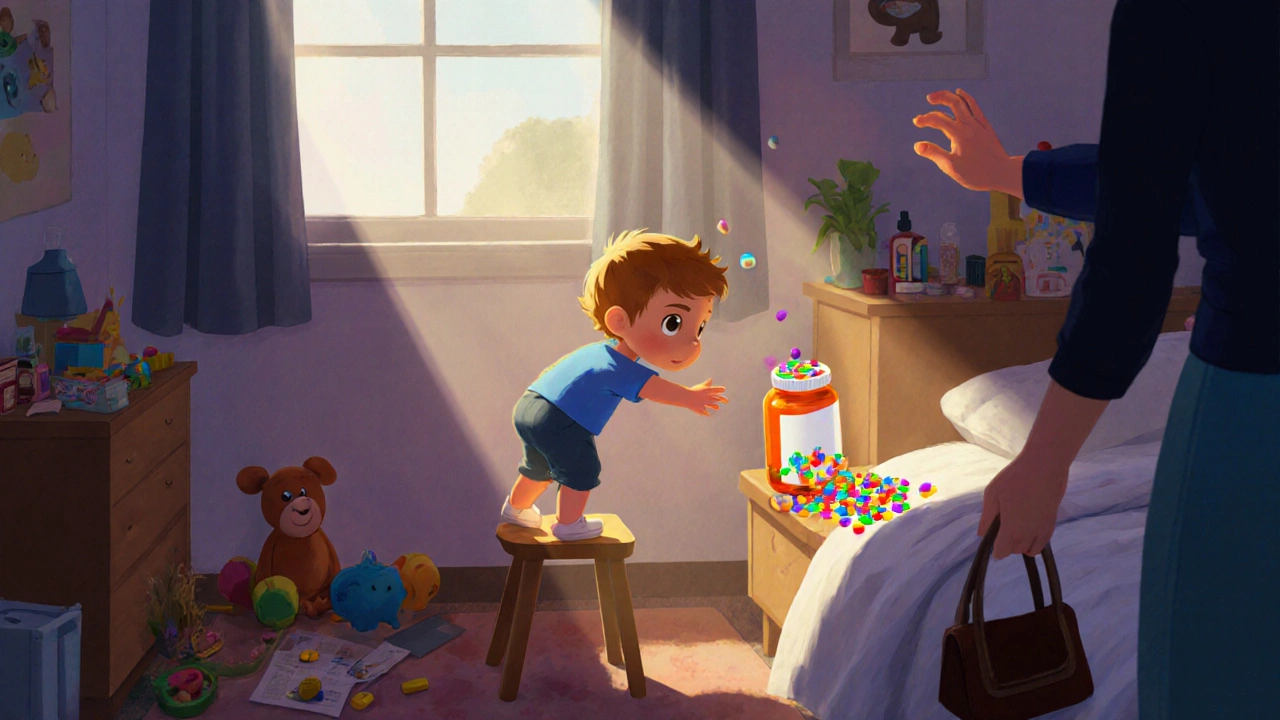
Accidental Pediatric Medication Overdose: How to Prevent It and What to Do If It Happens
Accidental pediatric medication overdoses are common but preventable. Learn how to store medicines safely, avoid dosing errors, and respond quickly if your child gets into medication - with proven strategies from the CDC's PROTECT Initiative.
Read more