
Multicultural Healthcare
When we talk about multicultural healthcare, the practice of delivering medical care that respects and responds to the cultural, linguistic, and social needs of diverse patient populations. Also known as culturally competent care, it’s not optional—it’s essential for safety, effectiveness, and trust. Too many patients stop taking their meds, skip appointments, or avoid care altogether because their provider doesn’t get their background. A senior from Mexico might refuse insulin because they believe diabetes is a punishment. A Somali woman might hide her depression because mental health is seen as a family shame. These aren’t just misunderstandings—they’re treatment failures waiting to happen.
Cultural competence, the ability of healthcare systems and providers to effectively deliver services that meet the social, cultural, and linguistic needs of patients isn’t about memorizing traditions. It’s about listening. It’s asking, "What do you think is causing this?" instead of assuming. It’s knowing that for some, taking five pills a day feels like being punished, not healed. It’s realizing that a patient who doesn’t show up for a follow-up might be working two jobs, afraid of the bill, or scared the doctor won’t believe them because of their accent. The posts here don’t just talk about drugs—they show how culture changes how those drugs work. One article explains why seniors using multiple pharmacies need systems that don’t just track pills—they track beliefs. Another warns that a heart rhythm test skipped because a patient didn’t understand why it was needed could be deadly. These aren’t edge cases. They’re daily realities.
Health disparities, differences in health outcomes tied to race, ethnicity, language, income, or immigration status don’t disappear because we have better drugs. They grow when care ignores context. A diabetes pill that lowers blood sugar won’t help if the patient can’t afford the food it’s meant to work with. A cream for eczema won’t be used if the family believes it’s caused by spirits, not allergies. And when someone’s on chemotherapy at home, cultural norms around waste, privacy, and family roles can make safe disposal impossible—unless the provider asks the right questions. That’s why the posts here cover everything from safe disposal of cancer drugs to managing multiple prescribers: because in multicultural healthcare, the system must bend to the person, not the other way around.
You’ll find real stories here—not theory. How a Vietnamese patient’s refusal to take blood pressure meds was solved by involving their temple leader. Why a Haitian woman stopped her antidepressant after her cousin called it "witchcraft." How a clinic in Detroit cut readmissions by 40% just by hiring bilingual community health workers. These aren’t anecdotes. They’re fixes that work. And if you’re in healthcare, you need to know them. Because the next patient who walks in might not speak your language. But they’ll speak yours if you learn how to listen.
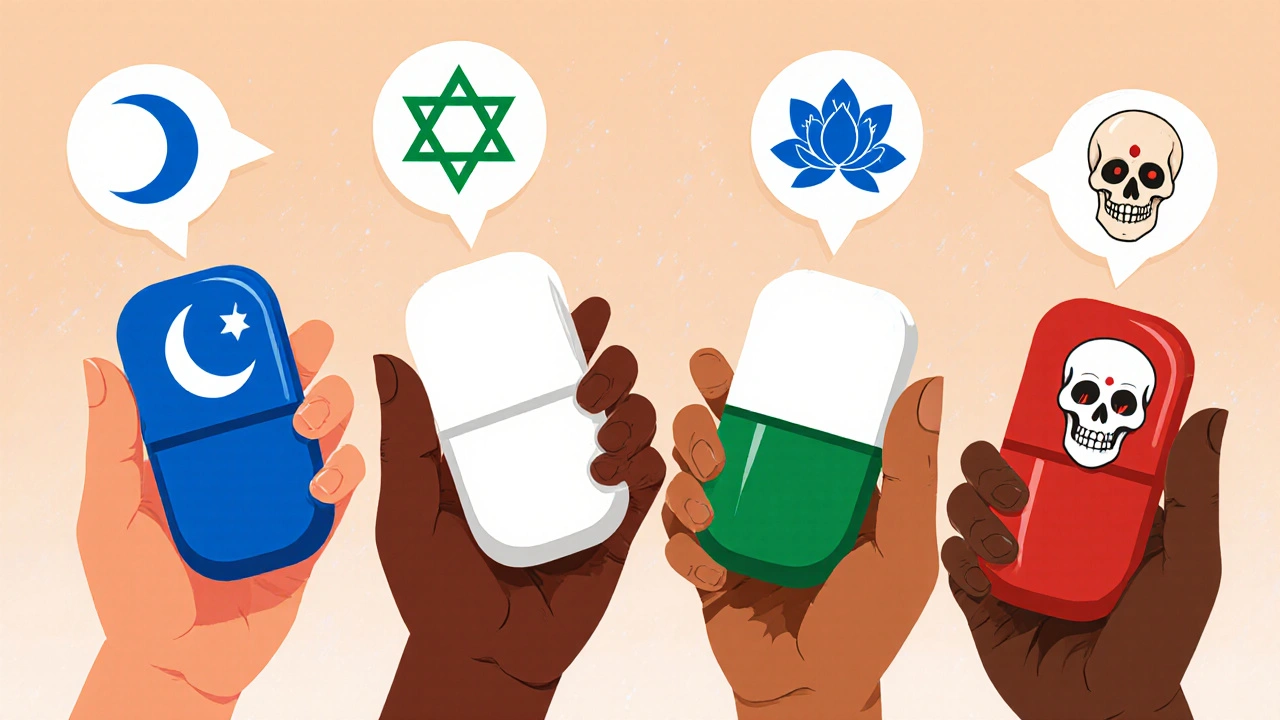
Multicultural Perspectives on Generics: How Culture Shapes Patient Trust and Adherence
Cultural beliefs shape how patients perceive generic medications-from color and shape to religious ingredients. Understanding these perspectives is key to improving adherence and health equity in diverse communities.
Read more