
Multi-pharmacy management: How to coordinate meds, reduce errors, and improve patient outcomes
When you get prescriptions from multiple pharmacies, separate retail or mail-order locations filling different parts of your medication list. Also known as polypharmacy fragmentation, it’s a quiet crisis in modern healthcare—especially for older adults or people with chronic conditions. It’s not just about having too many pills. It’s about not knowing what each one does, who prescribed it, or if they’re safe together. One pharmacy doesn’t talk to the next. Your cardiologist doesn’t know what your pain specialist prescribed. And you’re left guessing whether that new headache is from the medicine—or from the mix.
Think about drug interactions, when two or more medications react in ways that reduce effectiveness or cause harm. We’ve seen cases where ACE inhibitors, common blood pressure drugs paired with potassium-sparing diuretics, used to flush excess fluid spiked potassium to dangerous levels. Or how linezolid, an antibiotic for stubborn infections caused life-threatening blood pressure spikes because someone ate aged cheese without knowing the risk. These aren’t rare mistakes. They happen every day because no single pharmacy has the full picture.
And it’s not just about danger—it’s about cost and confusion. A generic combination drug, a single pill combining two medicines already available as generics can cut your monthly bill by 90%. But if you’re getting each drug from a different pharmacy, you’re paying double the price and juggling two refill schedules. Meanwhile, medication adherence, how consistently patients take their drugs as prescribed drops when you’re juggling 10 different bottles, each with different instructions. Cultural beliefs, language barriers, or fear of side effects—like the fear of hydroquinone, a skin-lightening ingredient causing harm—can make people skip doses, even when they know they should take them.
Multi-pharmacy management isn’t just a logistics problem. It’s a safety problem. It’s why someone on digoxin, a heart medication might not realize their new macrolide antibiotic, like azithromycin could trigger a dangerous heart rhythm unless an ECG was done. It’s why people with alcohol use disorder, on naltrexone or disulfiram might accidentally drink again because no one reminded them the interaction could be deadly. It’s why chemotherapy disposal, handling hazardous waste at home becomes a family risk if no one knows the proper steps.
You don’t need to be a doctor to fix this. You just need to know where to look. Below, you’ll find real-world guides on spotting dangerous drug combos, saving money with smarter prescriptions, understanding how culture affects whether you take your meds, and protecting yourself from side effects that could’ve been avoided. These aren’t theory pieces—they’re tools. Used by people just like you, who got tired of guessing what their pills were doing to them.
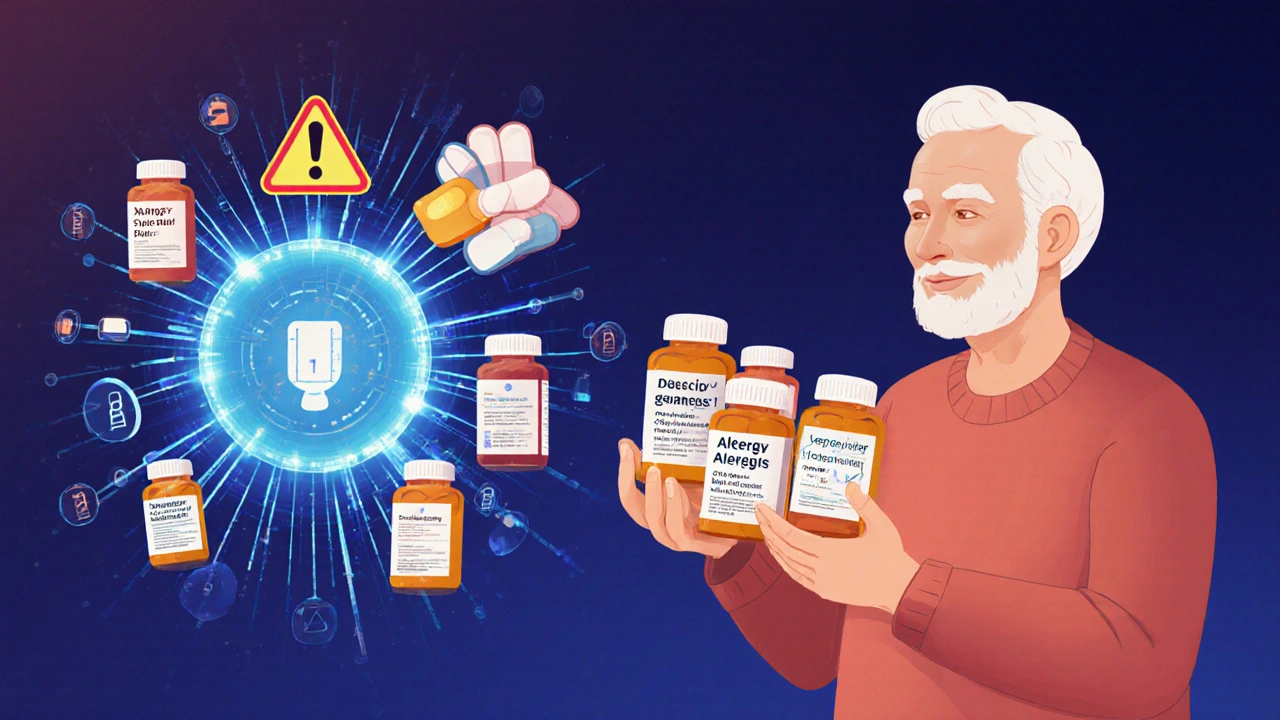
How to Manage Multiple Pharmacies and Prescribers Safely
Learn how to safely manage multiple pharmacies and prescribers for seniors using centralized systems that reduce errors, ensure compliance, and improve medication safety across locations.
Read more