
Medication Bottle Disposal: Safe Ways to Get Rid of Empty Prescription Containers
When you finish a prescription, the medication bottle disposal, the process of safely removing and discarding empty prescription containers after use. Also known as pharmaceutical waste disposal, it’s not just about tossing a plastic bottle in the trash. Improper disposal can expose children, pets, and the environment to harmful residues—even after the pills are gone. Many people don’t realize that empty bottles can still contain traces of powerful drugs like opioids, chemotherapy agents, or heart medications. These residues can leach into water systems or end up in the hands of someone who shouldn’t have them.
That’s why pharmaceutical waste, unused or expired medications and their containers that require special handling due to potential health or environmental risks needs careful treatment. The same logic applies to hazardous medication waste, drugs classified as dangerous by health agencies due to toxicity, flammability, or carcinogenic potential. Chemotherapy bottles, for example, aren’t just plastic—they’re contaminated with potent drugs that can harm anyone who handles them without protection. Even common pills like citalopram or linezolid leave behind traces that can affect water quality or trigger reactions in sensitive individuals.
So what do you actually do with those empty bottles? First, remove the label or scratch off personal info—this isn’t just about privacy, it’s about stopping identity theft or misuse. Next, check if your pharmacy or local government runs a take-back program. Many hospitals and clinics now offer drop boxes for both pills and containers. If that’s not available, mix the leftover medicine with coffee grounds or cat litter, seal it in a bag, and throw it in the trash. For the bottle itself? Rinse it out, remove the cap (often made of different plastic), and see if your city accepts #1 or #2 plastics in recycling. Not all do—some treat them as medical waste because of contamination risk.
And don’t forget: childproof caps aren’t foolproof. If you’re keeping a bottle for future use—say, for an emergency kit—you need to store it securely. But if you’re done with it, get rid of it properly. The CDC and EPA both warn against flushing medications down the toilet unless the label says so. And while some brands promote "eco-friendly" bottles, most still end up in landfills unless actively recycled through medical waste channels.
This collection of articles covers everything from how to handle chemotherapy waste at home to why storing old prescriptions in your bathroom cabinet is a bad idea. You’ll find guides on protecting your family from accidental overdose, managing multiple pharmacies safely, and even how cultural beliefs affect whether people keep or toss their empty bottles. Whether you’re caring for an elderly parent, managing chronic illness, or just trying to clean out your medicine cabinet, these real-world tips will help you make smarter, safer choices.
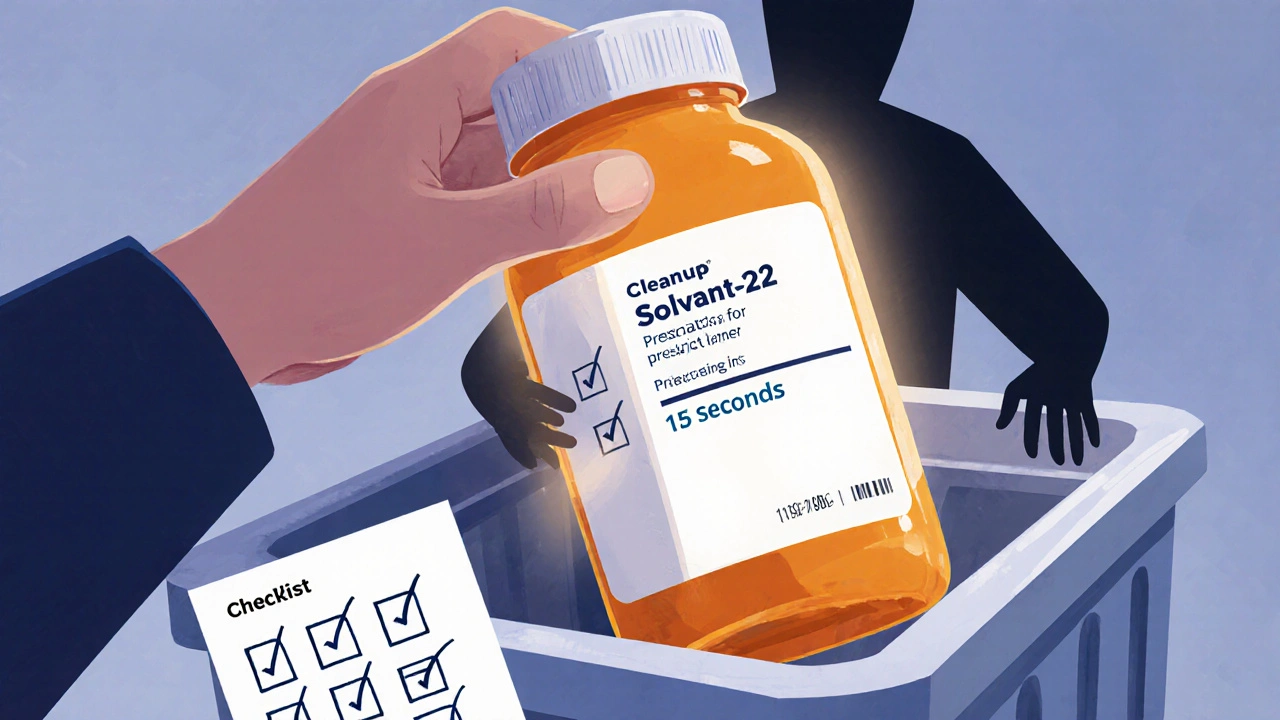
How to Safely Remove Personal Info from Medication Bottles to Prevent Identity Theft
Learn how to safely remove personal information from prescription bottles to prevent identity theft. Discover the best methods, what doesn’t work, and how pharmacies are helping.
Read more