
High-Cost Drugs: Why They’re Expensive and How to Navigate Them
When you see a prescription bill for high-cost drugs, medications that cost hundreds or thousands of dollars per month, often due to patent protections, limited competition, or complex manufacturing. Also known as specialty drugs, these are often used for chronic or rare conditions like cancer, rheumatoid arthritis, or multiple sclerosis. It’s no wonder people panic. But not every expensive drug is the only option—and sometimes, the cheapest pill isn’t the best value.
Behind the price tag of brand medications, originator drugs sold under a proprietary name, often protected by patents and marketed aggressively by pharmaceutical companies are years of research, clinical trials, and marketing. But here’s the catch: once patents expire, generics should drop the price. Yet many patients still pay full price because insurers or doctors push them toward the brand, or because they’ve been told the generic won’t work. That’s not always true. For example, switching from a brand to a generic for blood pressure or cholesterol is usually safe. But for drugs like generic alternatives, lower-cost versions of brand-name drugs that contain the same active ingredient, dosage, and effectiveness of biologics or complex formulations, the story changes. Biosimilars aren’t generics—they’re harder to copy, and that’s why they still cost a lot.
Drug pricing isn’t just about science—it’s about policy, insurance, and patient advocacy. Some people stay on expensive brand drugs because they’ve had bad reactions to generics, or because their body responds differently. Others are stuck because their doctor didn’t explain the options. That’s why posts here cover how to talk to your provider about staying on a brand, how to spot hidden savings with combination generics, and when it’s okay to switch. You’ll also find real advice on managing multiple pharmacies, storing emergency meds, and avoiding dangerous interactions—all while keeping costs in check.
High-cost drugs aren’t going away. But you don’t have to accept the price without a fight. Whether you’re paying out-of-pocket, fighting an insurer, or just trying to understand why your medication costs more than your car payment, the articles below give you the facts—not the fluff. You’ll learn what actually makes a drug expensive, when it’s worth it, and how to protect yourself from unnecessary spending—without risking your health.
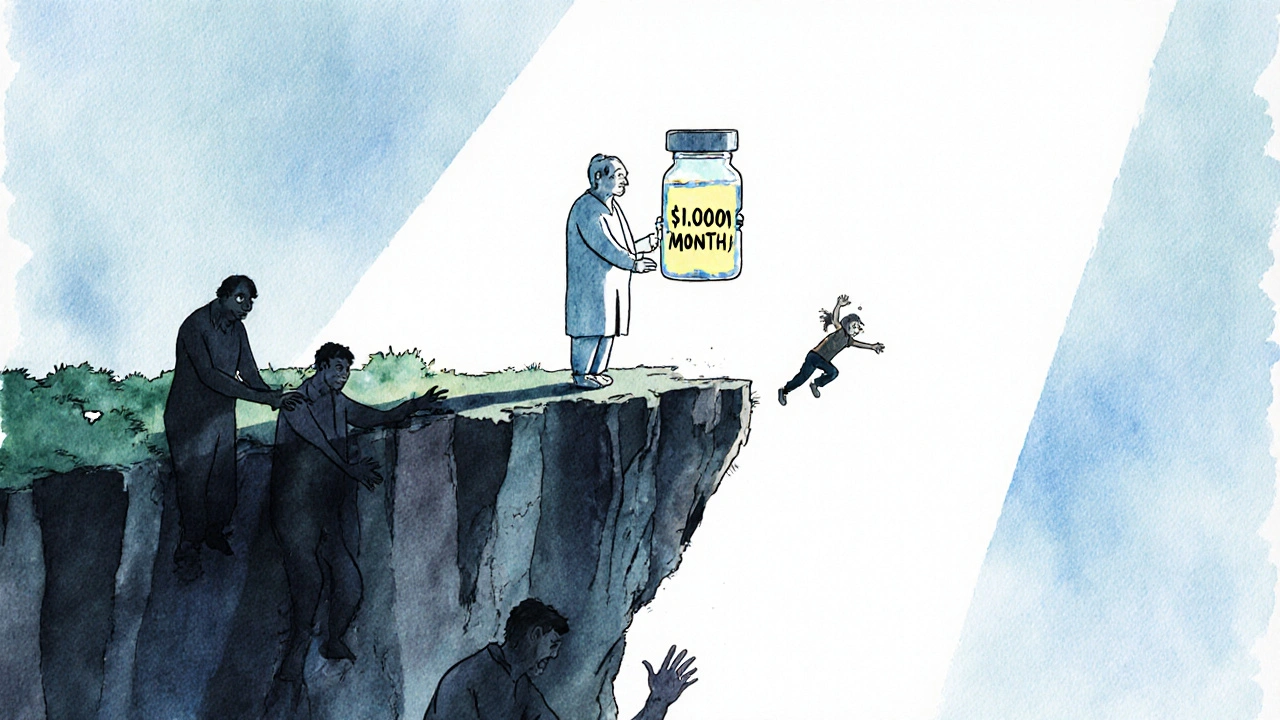
Cost vs Benefit: When Expensive Medications Are Worth the Price Despite Side Effects
Some medications cost tens of thousands - and come with harsh side effects. But for patients with no other options, they’re the only path to survival. Here’s when the price is worth it.
Read more