
Generic Medications: What They Are, How They Save Money, and What You Need to Know
When you hear generic medications, pharmaceutical products that contain the same active ingredients as brand-name drugs but are sold under their chemical name. Also known as generic drugs, they work the same way, in the same dose, and with the same risks and benefits as the original—just without the marketing costs. Most people assume generics are cheaper because they’re lower quality. That’s not true. The FDA requires them to meet the same strict standards for strength, purity, and performance as brand-name drugs. The only real difference? The price—and sometimes the color or shape of the pill.
Why do generics cost so much less? Because the original company already paid for the research, clinical trials, and approval process. Once the patent expires, other manufacturers can produce the same drug without repeating those expensive steps. That’s why a 30-day supply of generic lisinopril, a blood pressure medication originally sold as Zestril or Prinivil might cost $4 at Walmart, while the brand version runs over $50. Same molecule. Same effect. Same safety profile. The savings aren’t just nice—they’re life-changing for people on fixed incomes or managing multiple chronic conditions.
But not all savings come from swapping one pill for another. Some of the biggest discounts come from generic combination drugs, single pills that combine two or more generic medications into one dose. For example, instead of buying separate generic metformin and sitagliptin for diabetes, you can get them together in one tablet—often for less than the cost of one of the individual pills. This isn’t just convenient. It cuts your monthly bill by up to 90% in some cases. It also makes it easier to stick to your regimen. Fewer pills = fewer missed doses.
Still, confusion lingers. Some worry generics are less reliable. Others think they’re made in shoddy factories. The truth? Most generics are made in the same plants as brand-name drugs—or by the same companies. The FDA inspects them just as often. And if a generic fails to perform, it gets pulled. You’re not taking a gamble. You’re making a smart, science-backed choice.
There are exceptions, of course. Not every drug has a generic version yet. Some complex biologics—like insulin or rheumatoid arthritis treatments—don’t have true generics at all. Instead, they have biosimilars, which are similar but not identical. But for the vast majority of prescriptions—antibiotics, statins, blood pressure pills, antidepressants—generics are not just an option. They’re the standard.
And here’s something most people don’t realize: switching to generics doesn’t mean you have to give up control. Talk to your doctor. Ask if there’s a generic version of your current prescription. Ask if a combination drug could replace two separate ones. Ask about cost comparisons between pharmacies. You don’t need to be a pharmacist to save hundreds—or even thousands—each year. You just need to ask the right questions.
Below, you’ll find real-world guides on how to spot hidden savings, avoid dangerous interactions, and make the most of generic medications without sacrificing safety or effectiveness. Whether you’re managing high blood pressure, diabetes, depression, or just trying to cut your monthly drug bill, the articles here give you the facts—not the fluff.
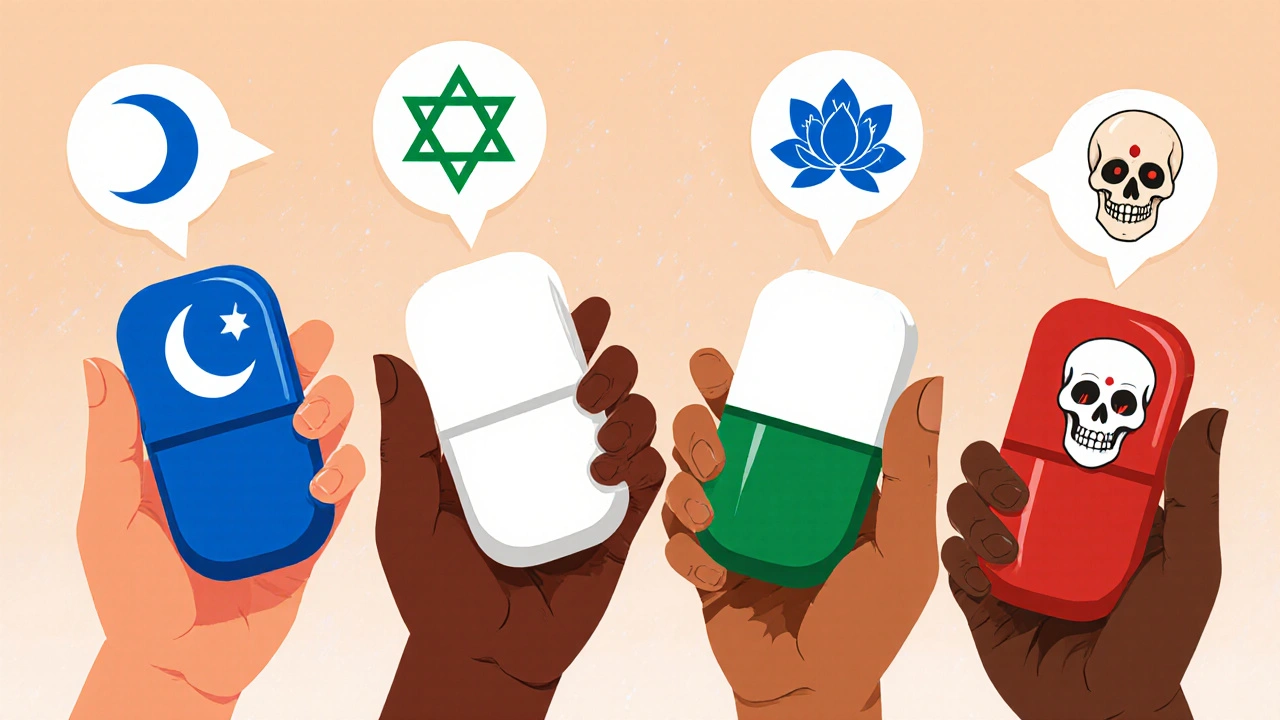
Multicultural Perspectives on Generics: How Culture Shapes Patient Trust and Adherence
Cultural beliefs shape how patients perceive generic medications-from color and shape to religious ingredients. Understanding these perspectives is key to improving adherence and health equity in diverse communities.
Read more