
Expensive Medications: Why Cost Doesn't Always Mean Better and What to Do About It
When you see a prescription that costs hundreds of dollars, it’s easy to assume it’s the best option—expensive medications, brand-name drugs priced significantly higher than their generic equivalents, often due to marketing, patents, or limited competition. Also known as brand medications, these drugs are sometimes necessary, but far from always. The truth? Many expensive medications work exactly like cheaper generics, with the same active ingredients, same effectiveness, and same side effects. The only real difference? The price tag—and sometimes, the pill’s color.
Why does this happen? Drug companies spend millions marketing brand names, and insurers often push generics to cut costs. But switching isn’t always safe or effective. For some people, even tiny differences in fillers or coatings in generics can cause side effects, reduce absorption, or trigger allergic reactions. That’s why brand medications, medications sold under a manufacturer’s proprietary name, often prescribed when generics cause issues or aren’t bioequivalent stay on the chart. It’s not about luxury—it’s about control. And if your body reacts differently to a generic, you have the right to ask for the brand.
Then there’s the hidden cost: generic drugs, lower-cost versions of brand medications with identical active ingredients, but sometimes different inactive components that affect tolerance. They save billions across the system—but not always for you. Some pharmacies substitute without telling you. Others charge more for generics than the brand because of how insurance tiers work. And in rare cases, the generic version simply doesn’t work as well for your condition. That’s why knowing your options matters more than ever.
People don’t realize how much drug pricing, the complex system of manufacturer list prices, insurer rebates, pharmacy markups, and patient copays that rarely reflects true production cost affects their daily life. A $500 insulin vial isn’t expensive because it’s hard to make—it’s expensive because of patent extensions, lack of competition, and pricing strategies designed to maximize profit. Meanwhile, the same drug costs $25 in Canada. You’re not overpaying because you’re careless—you’re overpaying because the system is broken.
So what can you do? You don’t need to accept the price. You can ask your doctor if a generic is safe for you. You can ask for samples. You can check if the manufacturer offers a patient assistance program. You can compare prices at different pharmacies—yes, the same pill can cost $10 at one store and $80 at another. And if your insurance forces a switch that makes you feel worse? You have the right to appeal. Real stories from real patients show that speaking up works.
This collection of posts isn’t about hating brand drugs. It’s about understanding when they’re truly needed—and when you’re paying for a logo. You’ll find guides on how to talk to your doctor about staying on a brand medication, how combination generics can save you up to 90%, and why some people need the original formula to stay healthy. You’ll also see how cultural beliefs, pharmacy practices, and insurance rules shape what you pay—and what you get. This isn’t theoretical. It’s personal. And if you’ve ever stared at a pharmacy receipt and wondered, "Why is this so expensive?"—you’re not alone. The answers are here.
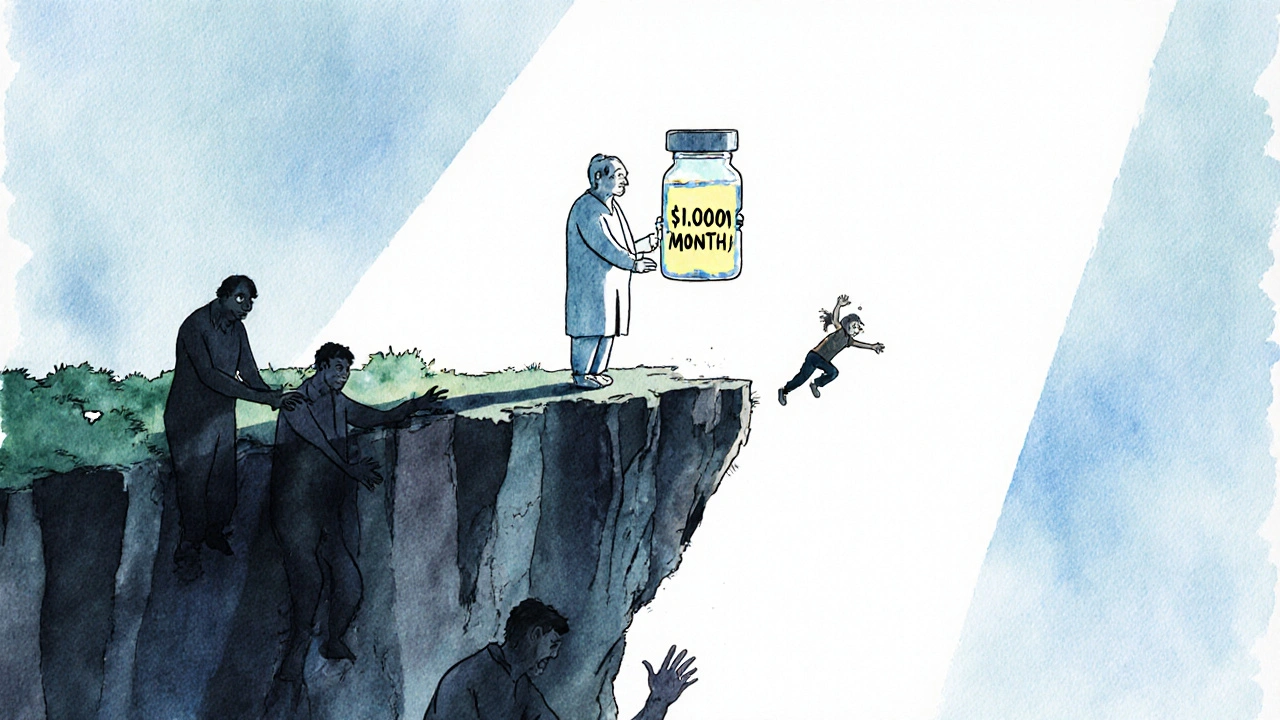
Cost vs Benefit: When Expensive Medications Are Worth the Price Despite Side Effects
Some medications cost tens of thousands - and come with harsh side effects. But for patients with no other options, they’re the only path to survival. Here’s when the price is worth it.
Read more