
Drug Side Effects: What They Are, Why They Happen, and How to Manage Them
When you take a drug side effect, an unintended reaction to a medication that isn’t the intended therapeutic outcome. Also known as adverse drug reaction, it’s not always a sign something’s wrong—it’s often just how the body responds to chemicals designed to change how it works. Every pill, injection, or patch you use has the potential to trigger these reactions, from mild nausea to life-threatening heart rhythms. The key isn’t avoiding all side effects—it’s knowing which ones to watch for, when to act, and how to talk to your doctor about them.
Drug interactions, when one medication changes how another works in your body are a major reason side effects get worse. Caffeine can make blood thinners stronger. Antibiotics like linezolid can turn a slice of aged cheese into a heart attack risk. Even something as simple as taking levothyroxine with coffee can block absorption. These aren’t rare cases—they happen every day because people don’t know their meds talk to each other. Then there’s side effect management, the practical steps you take to reduce discomfort without stopping treatment. That might mean switching timing, adding a second drug to counteract nausea, or adjusting your diet. It’s not about tolerating pain—it’s about working smarter with your meds.
Some side effects are temporary. Others, like nerve damage from long-term antidepressants or kidney strain from painkillers, build up slowly. That’s why tracking matters. If you’ve ever felt dizzy after a new prescription, had trouble sleeping after starting a beta-blocker, or noticed your skin turning yellow on a new antibiotic—you’re not imagining it. These are real signals. The posts below show you exactly how to spot the dangerous ones, when to call your doctor, and how to avoid common mistakes like stopping meds cold or ignoring warning signs because "it’s just a headache." You’ll find real-world guides on penicillin desensitization for allergic patients, how to handle QT prolongation from antidepressants, why some diabetes drugs hurt your gums, and what to do when your body reacts badly to something you were told was safe. No fluff. No jargon. Just clear, practical steps to keep you safe while getting the treatment you need.
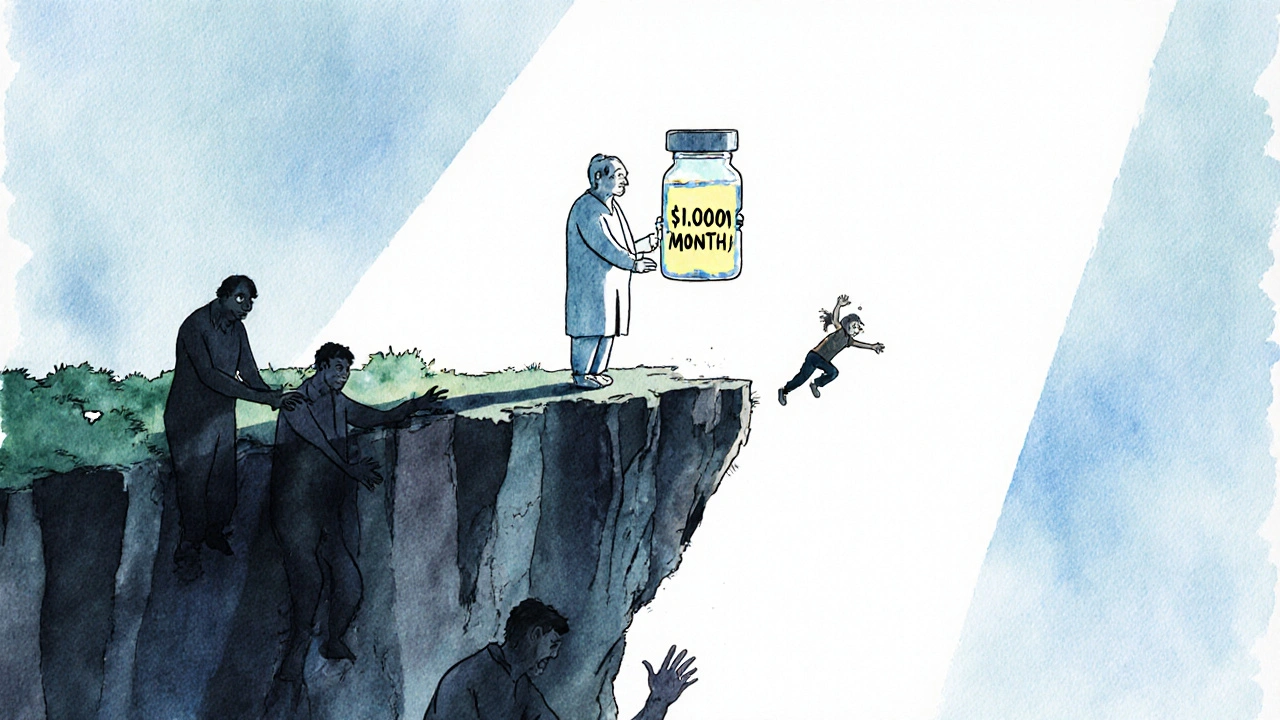
Cost vs Benefit: When Expensive Medications Are Worth the Price Despite Side Effects
Some medications cost tens of thousands - and come with harsh side effects. But for patients with no other options, they’re the only path to survival. Here’s when the price is worth it.
Read more