
Dosage Instructions: How to Take Medications Safely and Effectively
When you take a medication, dosage instructions, the specific directions for how much, when, and how to take a drug. It's not just a suggestion—it's the difference between healing and harm. Getting it wrong can lead to side effects, reduced effectiveness, or even life-threatening overdose, a dangerous buildup of medication in the body that can cause breathing failure, unconsciousness, or cardiac arrest. Many people assume pills are safe if they come from a pharmacy, but dosage instructions are the real safety net.
Every medication has a unique profile. Some need to be taken on an empty stomach, others with food. Some must be spaced 12 hours apart, while others work best at bedtime. Missing a dose, doubling up, or crushing pills without checking can change how your body handles the drug. For example, taking caffeine, a common stimulant found in coffee, tea, and energy drinks with certain antidepressants or blood thinners can spike your heart rate or increase bleeding risk. Or, if you're on digoxin, a heart medication that has a very narrow safety window, even a small overdose can trigger dangerous heart rhythms. These aren’t rare cases—they happen daily because people don’t know how to read or follow the label.
It’s not just about pills. Liquid doses need measuring cups, not kitchen spoons. Patches must be rotated to avoid skin burns. Insulin requires precise timing. Even topical creams, medications applied to the skin, like those used during pregnancy or for eczema, have limits—using too much can lead to systemic absorption. And if you’re managing multiple meds from different doctors or pharmacies, dosage confusion is one of the top causes of hospital visits in older adults. That’s why knowing how to track your regimen matters as much as knowing what you’re taking.
There’s also the hidden risk: what happens when you stop following the rules. Skipping doses of antibiotics can breed resistant bacteria. Taking extra painkillers because the pain returns doesn’t mean it’s working better—it might be poisoning you. And if you’ve ever wondered why your doctor asks about alcohol, grapefruit, or herbal supplements, it’s because those can alter how your body processes the drug. A single interaction can turn a safe dose into a toxic one.
Below, you’ll find real stories and clear guides on how to avoid the most common mistakes. From how to safely dispose of chemotherapy at home to why your child’s liquid medicine needs a syringe—not a teaspoon—these posts cover the details most people never think about until something goes wrong. Whether you’re managing your own meds, caring for someone else, or just trying to stay safe, this collection gives you the tools to take control—not guess.
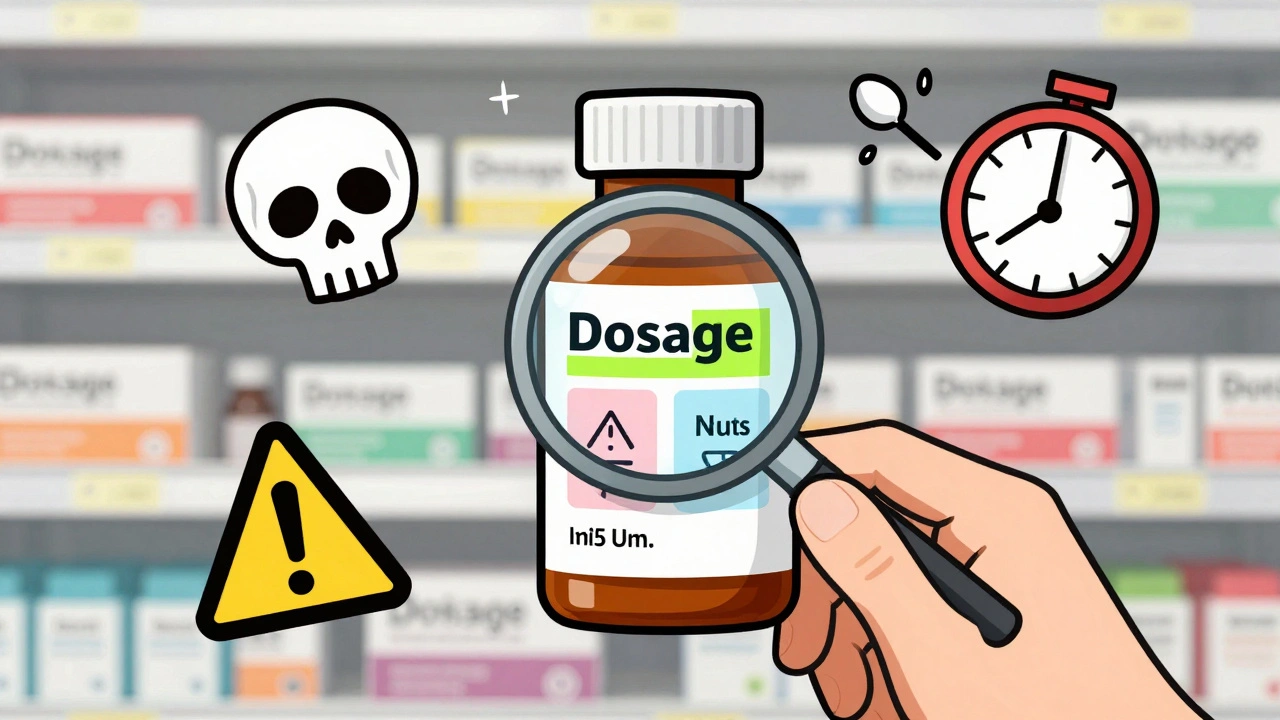
How to Read Medication Labels: Dosage, Directions, and Safety Tips
Learn how to read medication labels correctly to avoid dangerous mistakes. Understand dosage, directions, warnings, and expiration dates for safer medicine use.
Read more