
Destroy Pill Bottle Info: Safe Disposal Methods and Why It Matters
When you destroy pill bottle, the physical act of rendering prescription containers unusable to prevent misuse or accidental ingestion, you’re not just cleaning up trash—you’re stopping potential poisonings, drug abuse, and environmental harm. Many people toss empty bottles in the trash without thinking, but those bottles still carry traces of medication, barcodes, and personal info that can be exploited. The hazardous drug disposal, the process of safely eliminating medications that can harm people or ecosystems if improperly discarded isn’t just for chemo drugs—it applies to opioids, antibiotics, antidepressants, and even over-the-counter painkillers. The CDC and FDA agree: improper disposal contributes to water contamination and increases the risk of accidental overdoses in kids and pets.
Every year, thousands of children end up in emergency rooms after getting into meds left in open cabinets or unsecured trash. That’s why pill bottle safety, the practice of securing or destroying medication containers to prevent unauthorized access starts before you throw anything away. Crushing pills and mixing them with coffee grounds or cat litter helps, but the bottle itself? It’s a liability. Prescription labels still show your name, address, and the drug name—perfect for identity thieves or curious teens. Even if you scratch off the label, the plastic can still be reused to store drugs illegally. And when these bottles end up in landfills, the residual chemicals leach into soil and groundwater. The pharmaceutical waste, unused or expired medications and their containers that require special handling to avoid public health risks problem isn’t going away, but you can stop contributing to it.
Some pharmacies take back meds, but not all do. Some cities have drop-off bins. But if you’re at home, with no access to those services, you need to know how to destroy pill bottle info the right way. Remove the label completely, soak the bottle in hot water to dissolve adhesive, then crush it with a hammer or cut it open with heavy-duty scissors. Never flush meds unless the label says to—most don’t. And never just toss the bottle into recycling without removing all traces of medication and personal data. The same steps that protect your family from accidental overdose also protect the environment from toxic runoff. In posts below, you’ll find real-world guides on how to safely dispose of chemotherapy drugs, emergency kits, and everyday prescriptions—each one showing you exactly how to handle the bottle, the pill, and the risk.
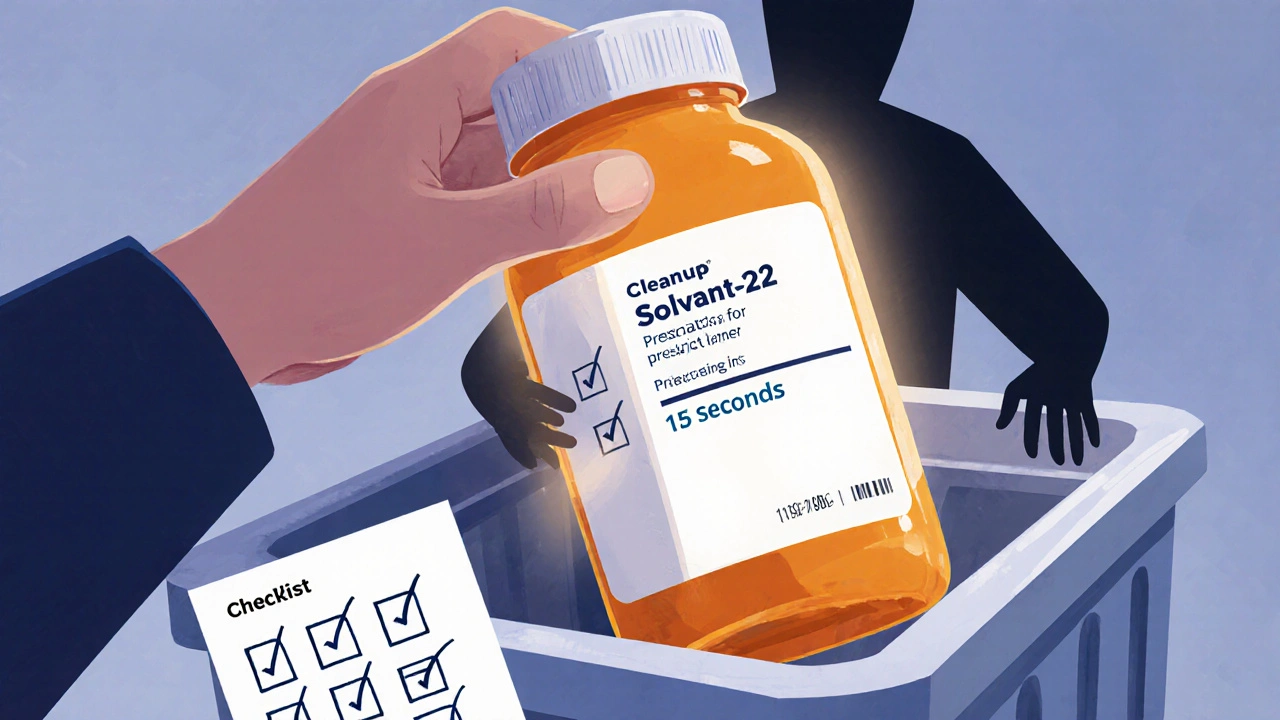
How to Safely Remove Personal Info from Medication Bottles to Prevent Identity Theft
Learn how to safely remove personal information from prescription bottles to prevent identity theft. Discover the best methods, what doesn’t work, and how pharmacies are helping.
Read more