
Cost vs Benefit in Medications: Making Smart Health Choices
When you're deciding on a medication, cost vs benefit, the balance between what a drug costs and the real health outcome it delivers. Also known as value-based prescribing, it's not just about the price tag—it's about whether the medicine actually improves your life, prevents hospital visits, or stops complications. Too many people assume cheaper means worse, or that brand-name is always better. But the truth is more complex. A $20 generic might save you from kidney damage, while a $300 brand could do nothing your body can't handle with lifestyle changes.
That’s why generic drugs, medications approved by the FDA to work exactly like brand-name versions. Also known as therapeutic equivalents, they're not second-rate—they're science-backed copies that cut costs without cutting results. But sometimes, the brand stays the better choice. If you're on a medication like Evista or canagliflozin, switching to a generic might change how your body responds—not because the generic is flawed, but because your system is finely tuned. The same goes for complex drugs like biosimilars, which aren’t generics at all. They’re biologics—made from living cells—and even small differences can affect how your immune system reacts.
Then there’s drug interactions, when one medication changes how another works in your body. Also known as pharmacological conflicts, they can turn a safe treatment into a danger zone. Caffeine with warfarin? A spike in bleeding risk. Linezolid with aged cheese? A life-threatening blood pressure surge. These aren’t theoretical risks—they’re documented, preventable events. That’s why cost vs benefit isn’t just about money. It’s about safety, adherence, and long-term outcomes. A cheaper pill that causes side effects you can’t tolerate isn’t a bargain—it’s a burden.
And it’s not just about the drug itself. It’s about how you use it. Storing insulin wrong, throwing away chemotherapy waste carelessly, or mixing pills from multiple pharmacies—all these habits increase risk and drive up costs in the long run. The most expensive medication is the one you don’t take correctly.
What you’ll find below isn’t a list of prices. It’s a collection of real stories and science-backed guides that show you how to cut through the noise. From how to talk to your doctor about staying on a brand medication when insurers push for generics, to why certain antibiotics need an ECG before you even take them, these posts help you see past the sticker price and into the real value of your treatment. Whether you're managing diabetes, heart failure, or just trying to avoid a dangerous interaction with your morning coffee, the goal is the same: get the most health for every dollar—and every pill.
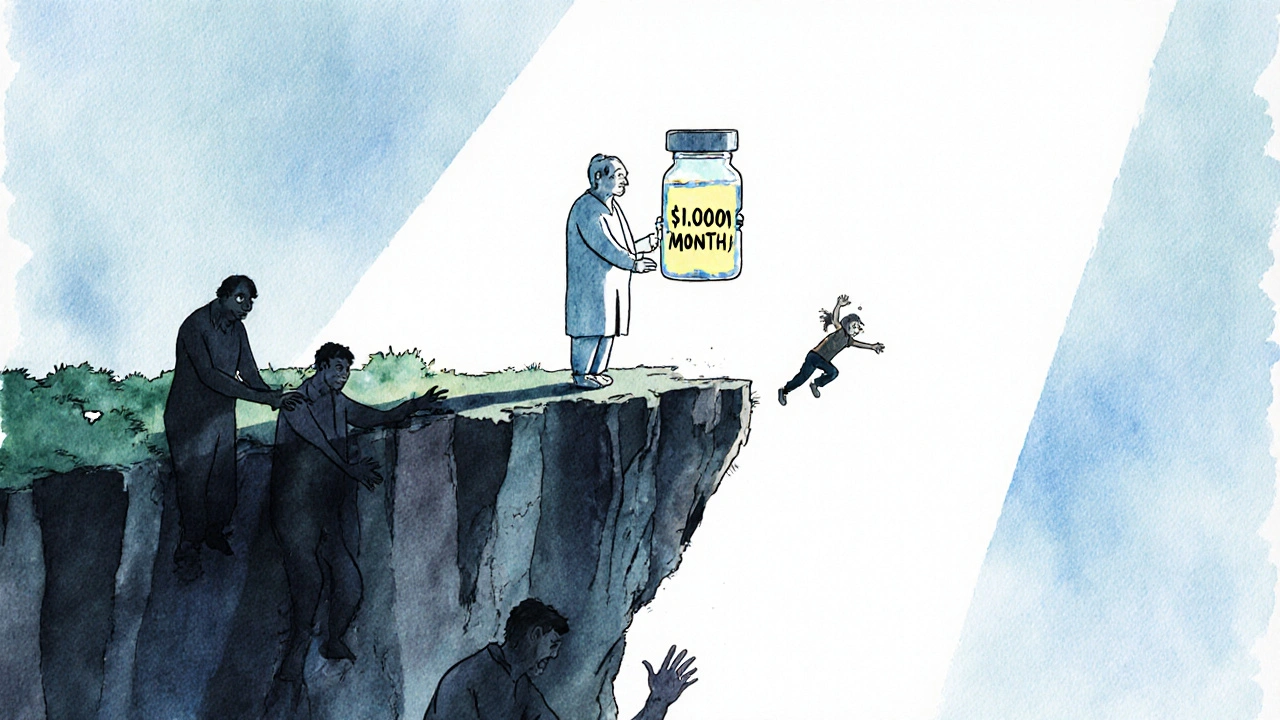
Cost vs Benefit: When Expensive Medications Are Worth the Price Despite Side Effects
Some medications cost tens of thousands - and come with harsh side effects. But for patients with no other options, they’re the only path to survival. Here’s when the price is worth it.
Read more