
Child-Safe Medication Storage: Keep Kids Safe from Accidental Poisoning
When it comes to child-safe medication storage, the practice of securing prescription and over-the-counter drugs out of reach and sight of young children. Also known as pediatric poisoning prevention, it’s not just a suggestion—it’s a lifesaving habit. Every year, over 50,000 children under six end up in emergency rooms because they got into medicine they weren’t supposed to touch. Most of these cases happen at home, in places parents think are safe—like a nightstand, purse, or bathroom cabinet.
It’s not enough to just put medicine on a high shelf. Kids are curious, strong, and smarter than we give them credit for. They climb, open drawers, mimic adults, and can unlock child-resistant caps faster than you’d expect. That’s why medication lock boxes, secure containers designed specifically to keep medicines inaccessible to children are one of the most effective tools. These aren’t fancy gadgets—they’re simple, affordable, and often used by hospitals and pharmacies. Pair them with safe drug storage at home, a system of consistent rules and locations for keeping all medications locked and out of reach, and you’ve built a real barrier against tragedy.
Think about where you keep your pills. Is your child’s medicine in the same drawer as your vitamins? Are you leaving a bottle of ibuprofen on the kitchen counter after giving it to your toddler? These are common mistakes. Even if a bottle has a child-resistant cap, it’s not foolproof. The CDC says most poisonings happen because the cap was left loose or the medicine was left unattended. The same goes for patches, liquids, and inhalers. One misplaced fentanyl patch can be deadly. One spilled bottle of cough syrup can cause seizures. That’s why child-safe medication storage isn’t optional—it’s non-negotiable.
You don’t need to turn your house into a fortress. Just be consistent. Lock medicines in a high cabinet with a latch, not just a door. Use a lock box for daily meds. Keep all meds in their original bottles with labels. Never tell a child medicine is candy. And always put medicine away immediately after use—no exceptions. These small habits, repeated every day, are what make the difference between safety and disaster.
The posts below cover real-world ways families are protecting their kids—from smart storage hacks used by nurses to what to do if a child swallows something they shouldn’t. You’ll find advice on storing insulin, epinephrine, and even chemotherapy drugs safely at home. There’s also guidance on what to do when grandparents visit, when traveling, or when your child’s caregiver isn’t aware of the risks. This isn’t about fear—it’s about control. You can’t stop curiosity, but you can stop access.
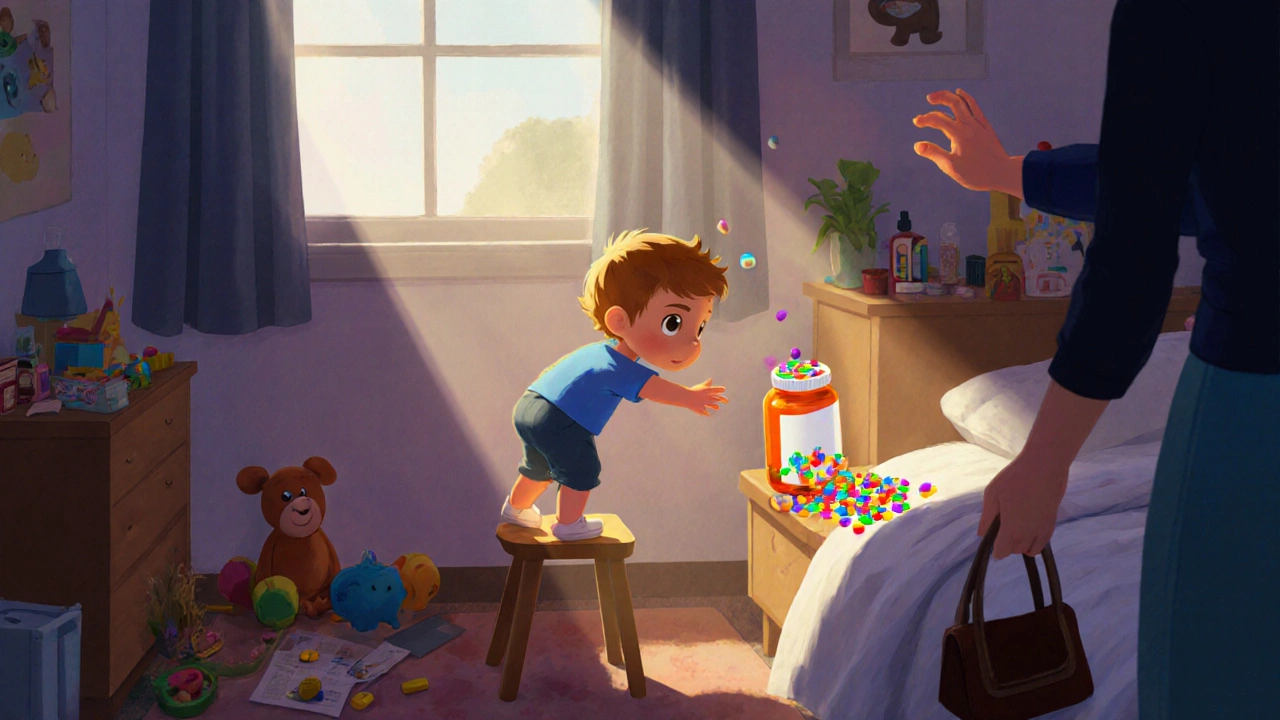
Accidental Pediatric Medication Overdose: How to Prevent It and What to Do If It Happens
Accidental pediatric medication overdoses are common but preventable. Learn how to store medicines safely, avoid dosing errors, and respond quickly if your child gets into medication - with proven strategies from the CDC's PROTECT Initiative.
Read more