
Brand Medication: What It Is, Why It Matters, and How to Use It Wisely
When you pick up a prescription, you might see a brand medication, a drug sold under a proprietary name by the original manufacturer, often at a higher price than its generic version. Also known as name-brand drug, it’s the version that first hit the market after years of research and clinical trials. But here’s the thing: not all brand medications are worth the extra cost. Many work exactly like their generic counterparts—same active ingredient, same dose, same effect. The difference? Packaging, marketing, and sometimes, just the name on the bottle.
Still, there are times when generic drugs, lower-cost versions of brand medications that contain the same active ingredient. Also known as generic medication don’t cut it. For some people, the fillers, dyes, or coating in generics cause side effects. Others need the exact consistency of a brand drug for conditions like epilepsy or thyroid disorders. And then there’s drug safety, the practice of using medications correctly to avoid harm, including interactions, overdoses, and allergic reactions. A brand name might give you more confidence in quality control, especially when you’re on multiple drugs. That’s why medication interactions, when two or more drugs affect each other’s effectiveness or safety matter so much. Caffeine with blood thinners, antifungals with cheese, antidepressants with heart rhythm risks—these aren’t hypotheticals. They’re real, documented dangers that show up in prescriptions every day.
And let’s not forget pharmaceutical value, the balance between a drug’s cost, effectiveness, and side effects—especially when prices hit tens of thousands per year. Some brand medications cost more because they’re the only option for rare diseases. Others? They cost more because they’re still under patent. Knowing the difference helps you ask the right questions: Is this brand drug truly better? Is there a safer alternative? Can I switch to a generic without risk? These aren’t just cost questions—they’re life questions.
Below, you’ll find real-world guides on how to spot dangerous interactions, when brand drugs actually matter, how to store them safely, and what to do if you’re allergic or on multiple prescriptions. No fluff. No marketing. Just what you need to make smarter, safer choices with your medications.
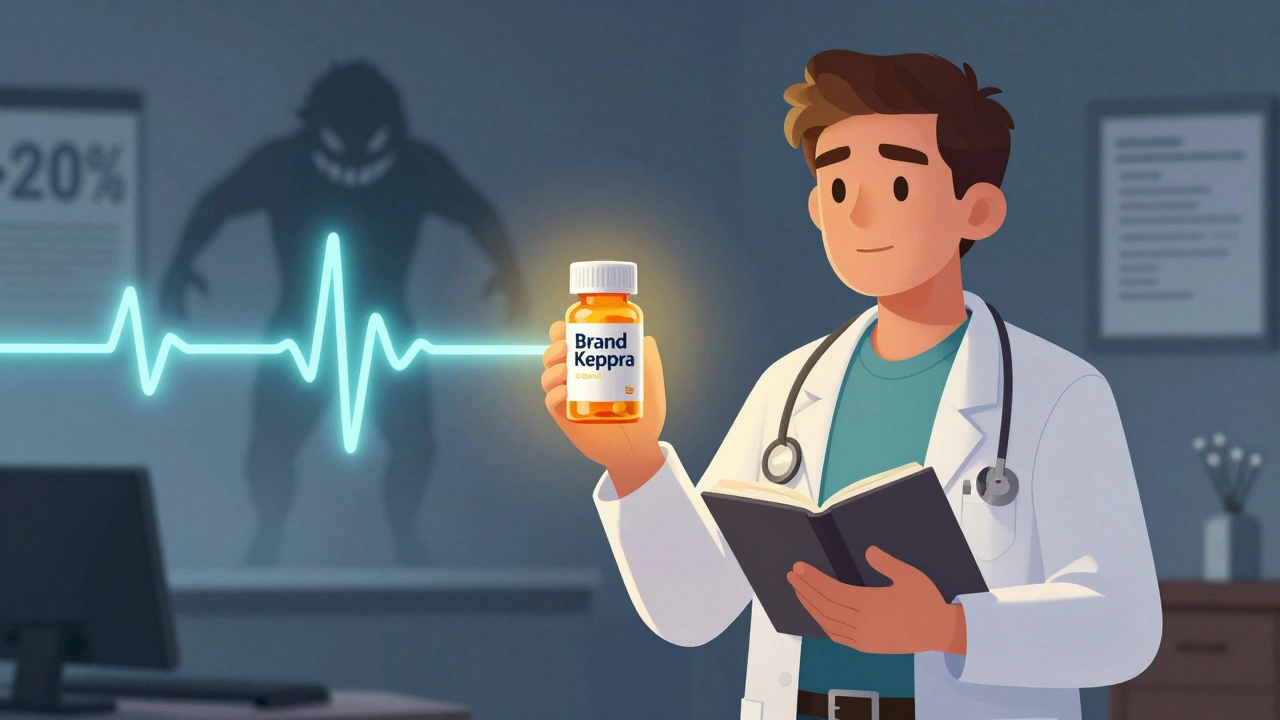
How to Talk to Your Doctor About Staying on a Brand Medication When Generics Are Pushed
Learn how to effectively talk to your doctor about staying on a brand medication when insurers push for generics. Get practical steps, communication tips, and evidence-backed reasons to avoid switching if it affects your health.
Read more