
Benzodiazepine Overdose: Signs, Risks, and What to Do
When someone takes too much of a benzodiazepine, a class of central nervous system depressants used for anxiety, seizures, and insomnia. Also known as benzos, these drugs include diazepam, alprazolam, and lorazepam — and while they help millions, they can turn dangerous when misused or combined with other substances. A benzodiazepine overdose, occurs when the body can’t process the drug fast enough, leading to extreme drowsiness, slowed breathing, or loss of consciousness. It’s not always about taking too many pills — sometimes it’s mixing them with alcohol, opioids, or even certain sleep aids. That combination is what makes overdoses so deadly.
The central nervous system, the part of the body that controls breathing, heart rate, and alertness. gets suppressed under high doses of benzos. You might see someone slurring words, stumbling, or not responding when spoken to. Their breathing may become shallow or stop entirely. This isn’t just "sleeping it off." It’s a medical emergency. Unlike opioid overdoses, naloxone doesn’t reverse benzodiazepine overdose — but emergency teams have other tools, like flumazenil, and they know how to support breathing until the drug clears. Time matters. If you suspect someone has overdosed, call 911 immediately. Don’t wait. Don’t assume they’ll wake up on their own.
Many people don’t realize how easily benzo interactions happen. A prescription for sleep, a drink at dinner, or a painkiller from the cabinet — all can stack up. Even if someone takes their dose correctly, adding another depressant can push them over the edge. Older adults, people with liver problems, or those on multiple medications are at higher risk. And while tolerance builds over time, it doesn’t make overdose impossible — it just makes it harder to predict.
What you’ll find in the posts below are real-world stories and science-backed advice on how these drugs interact with others, how to spot trouble before it’s too late, and what steps families and patients can take to stay safe. From how to store pills out of reach of kids to understanding why mixing benzos with caffeine or antidepressants can backfire — this collection gives you the clear, no-fluff facts you need to protect yourself and others.
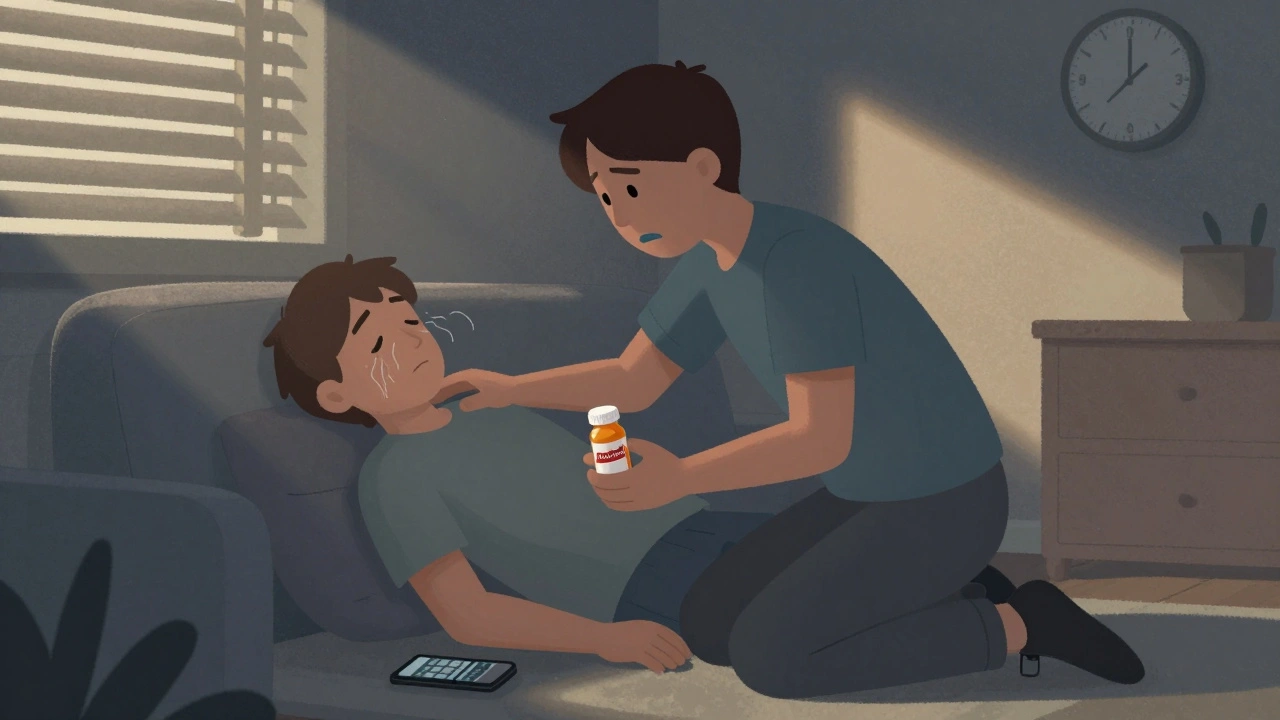
How to Recognize Overdose from Sedatives and Sleep Medications
Learn the critical signs of sedative and sleep medication overdose-unresponsiveness, slow breathing, blue lips, and loss of coordination. Know what to do before it's too late.
Read more