
Antibiotic Allergy: What It Is, How It Happens, and What to Do Next
When your body mistakes an antibiotic allergy, an immune system overreaction to a medication meant to kill bacteria. Also known as drug allergy, it's not the same as a side effect like nausea or dizziness—it's your immune system attacking the drug like a virus. This isn’t rare. About 10% of people say they’re allergic to penicillin, but less than 1% actually are. Many outgrow it, or were misdiagnosed because a rash showed up after a viral infection, not the antibiotic.
Not all antibiotic allergies are the same. A penicillin allergy, the most common type, often causes hives, swelling, or trouble breathing and can trigger anaphylaxis. But if you reacted to one penicillin, you might still tolerate others in the same family—or even different classes like cephalosporins. Cross-reactivity, when your immune system reacts to similar drugs because they share chemical structures is real, but it’s not guaranteed. That’s why blanket avoidance of entire drug families can limit your treatment options unnecessarily.
Some people avoid antibiotics for years because of a reaction they had as a child, only to find out later they could safely use them. Allergy testing, like skin prick tests or graded challenges, can confirm if you’re truly allergic—or if you just had a bad reaction that wasn’t immune-driven. This matters because avoiding antibiotics when you don’t need to means doctors might turn to stronger, more expensive, or riskier drugs instead.
And it’s not just about penicillin. Sulfa drugs, vancomycin, and even fluoroquinolones can cause allergic reactions. Symptoms range from mild itching to full-blown anaphylaxis. If you’ve ever had swelling of the lips, throat tightness, or a drop in blood pressure after taking an antibiotic, that’s not just bad luck—it’s a signal to get tested. But if you only got a stomachache or a headache, that’s probably not an allergy at all.
Knowing the difference saves lives. Mislabeling yourself as allergic can lead to longer hospital stays, higher costs, and more antibiotic resistance because doctors use broader-spectrum drugs as backups. On the flip side, ignoring a real allergy can be deadly. The key is getting the right diagnosis—not guessing, not assuming, not avoiding everything just in case.
Below, you’ll find real stories and science-backed advice from people who’ve dealt with antibiotic reactions, doctors who’ve seen the consequences of misdiagnosis, and practical steps to figure out what’s safe for you next time you need treatment. Whether you’re worried about your own history, your child’s reaction, or just confused by conflicting advice—this collection cuts through the noise.
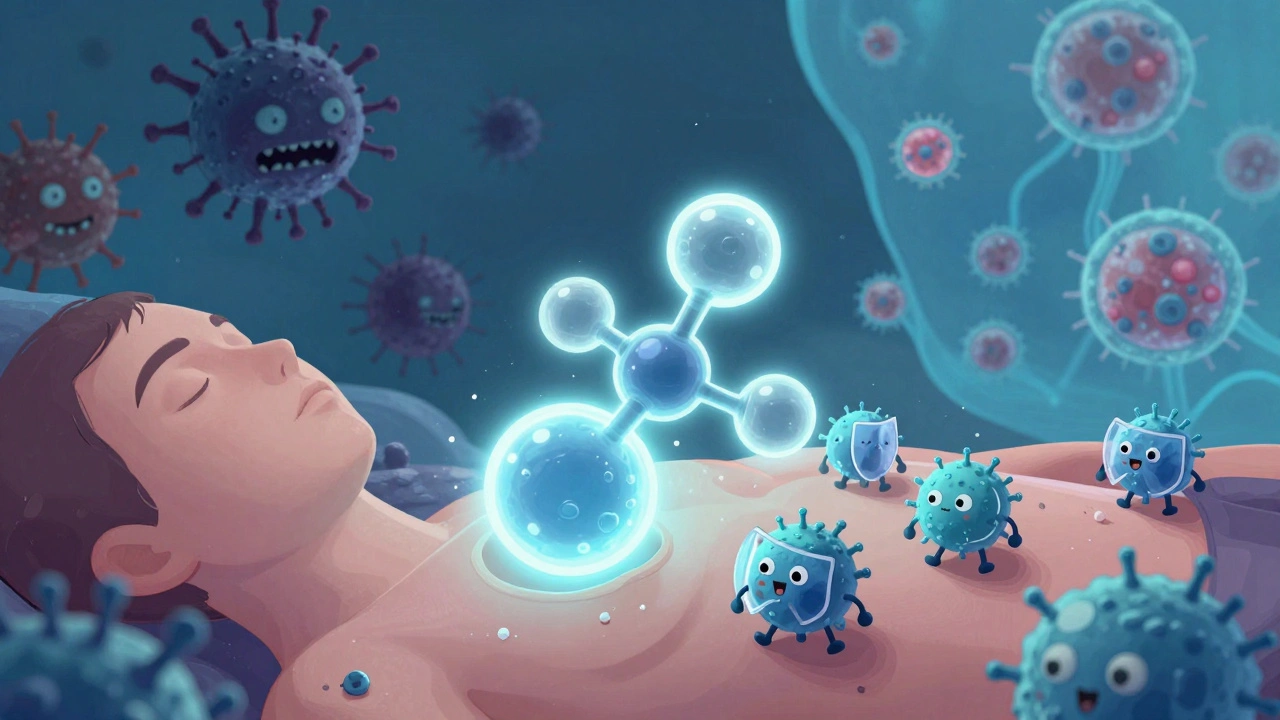
Penicillin Desensitization: Safe, Proven Methods for Allergic Patients Who Need It
Penicillin desensitization safely allows allergic patients to receive essential penicillin therapy when no alternatives work. Learn how it works, who qualifies, and why it’s critical for fighting antibiotic resistance.
Read more