
Topical Retinoids and Pregnancy: What You Need to Know
When you're pregnant, even the simplest skincare choices can feel risky. Topical retinoids, a class of vitamin A-derived creams and gels used for acne and aging skin. Also known as retinoids, they're common in products like Retino A Cream 0.05%, but their use during pregnancy is strongly discouraged by doctors and health agencies worldwide. These compounds work by speeding up skin cell turnover, which is great for clearing breakouts or fading dark spots—but that same mechanism can interfere with fetal development, especially in the first trimester.
While oral retinoids like isotretinoin are known to cause severe birth defects, many assume topical versions are safe because they’re applied to the skin. But studies show that even small amounts of tretinoin, the active ingredient in Retino A Cream and other prescription retinoids can enter the bloodstream, especially if used over large areas or on broken skin. The FDA and American Academy of Dermatology both classify topical retinoids as Category C drugs for pregnancy, meaning animal studies have shown harm to fetuses, and human data is limited. That’s why most OB-GYNs and dermatologists recommend stopping them before conception and avoiding them entirely while pregnant.
That doesn’t mean you have to give up on clear, healthy skin. There are safer skin care alternatives, options like azelaic acid, glycolic acid, and niacinamide that reduce acne and brighten tone without the same risks. Eukroma Hydroquinone Cream, for example, is sometimes used for melasma during pregnancy—but even that needs a doctor’s approval. The key is to simplify your routine and focus on gentle, well-researched ingredients. If you’re using retinoids and just found out you’re pregnant, don’t panic. Stop using them immediately and talk to your provider. Most women who accidentally used them early on go on to have perfectly healthy babies, but it’s still not worth the risk.
What you’ll find in the posts below are real, practical comparisons and guides that cut through the noise. From how tretinoin stacks up against other retinoids to what skin-lightening and acne treatments are actually safe when you’re expecting, these articles give you clear, no-fluff answers. No marketing hype. No guesswork. Just what you need to protect your skin—and your baby.
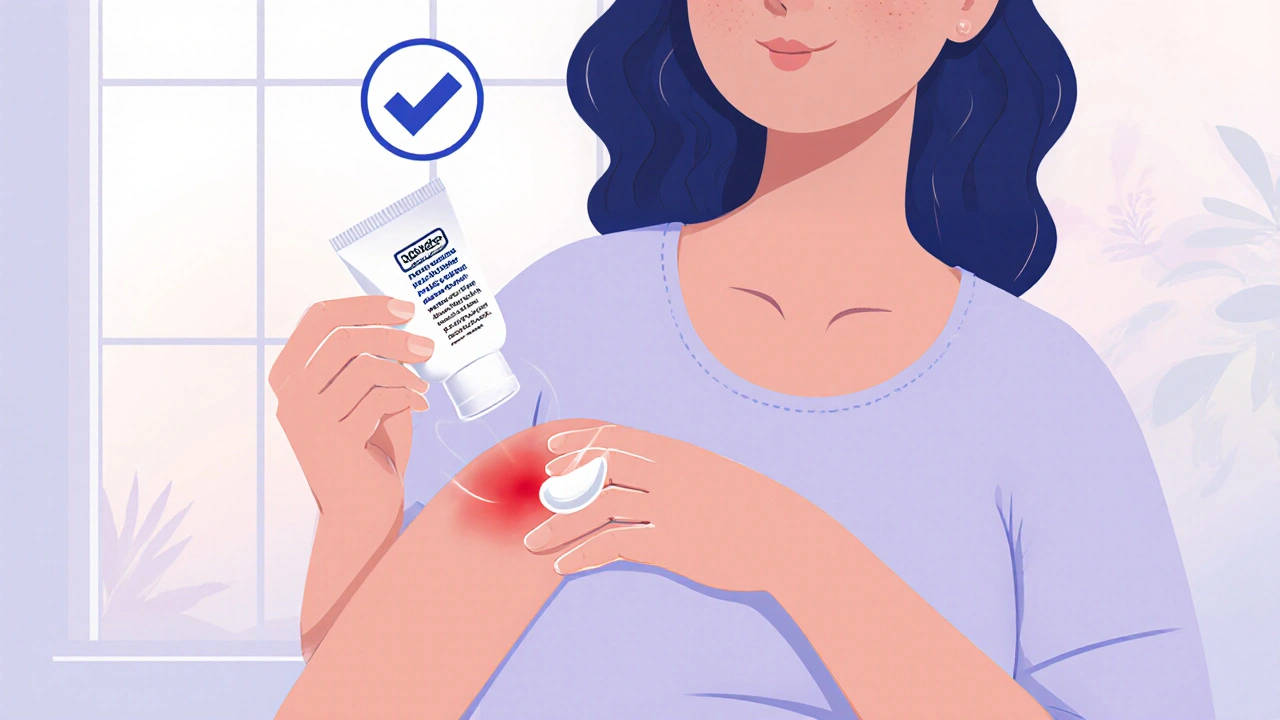
Safe Topical Medications and Creams During Pregnancy: What You Can and Can’t Use
Learn which topical creams and medications are safe to use during pregnancy for acne, eczema, fungal infections, and more. Avoid risky ingredients like retinoids and NSAIDs after 30 weeks.
Read more