
Pregnancy Eczema Cream: Safe Options and What Works
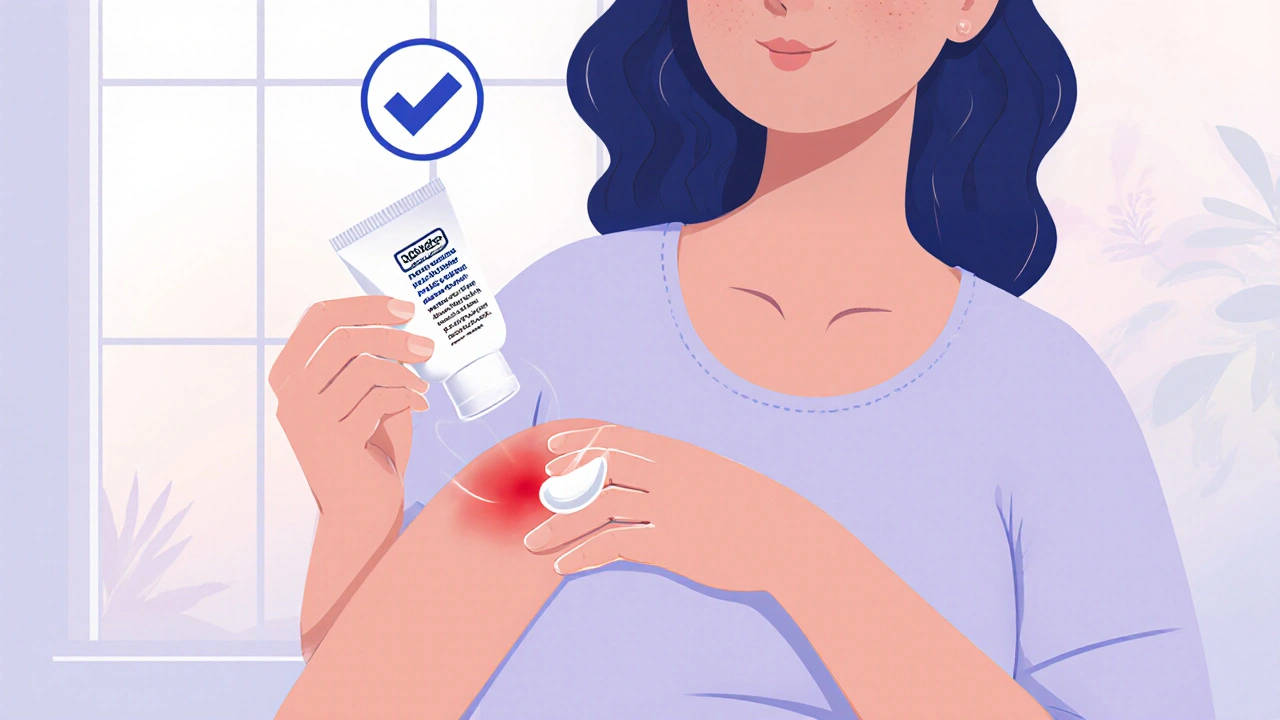
When you’re pregnant, your skin can change in ways you never expected—dryness, itching, and flare-ups of eczema, a chronic skin condition causing red, itchy patches. Also known as atopic dermatitis, it affects up to 3 in 10 pregnant women, especially in the second and third trimesters. The itch isn’t just annoying—it can keep you up at night and make you feel like you’re losing control of your own body. The good news? You don’t have to suffer through it. There are pregnancy eczema creams, topical treatments approved for use during pregnancy that actually work without putting your baby at risk.
Not all creams are created equal. Many over-the-counter options contain steroids, fragrances, or preservatives that doctors advise against during pregnancy. But hydrocortisone cream, a mild corticosteroid used to reduce inflammation and itching is generally considered safe in low doses (1%) when used sparingly. It’s the go-to for many OB-GYNs because it doesn’t absorb deeply into the bloodstream. Moisturizers with ceramides, colloidal oatmeal, or shea butter are also safe and help rebuild your skin’s natural barrier. Avoid anything with retinoids, salicylic acid, or strong fragrances—they’re not worth the risk, even if the label says "natural."
What you apply matters, but so does what you avoid. Hot showers, harsh soaps, wool clothing, and stress can all trigger flare-ups. Keeping your skin hydrated with fragrance-free lotions after every bath helps more than you think. Some women find relief with cool compresses or cotton gloves at night to stop scratching in their sleep. And while you might be tempted to try every online remedy, stick to what’s backed by real clinical guidance—not Instagram trends.
The collection below gives you clear, no-fluff comparisons of the most common pregnancy-safe eczema treatments. You’ll find real breakdowns of what works, what doesn’t, and what to watch out for—no marketing hype, just facts from trusted medical sources. Whether you’re dealing with mild dryness or full-blown flare-ups, you’ll walk away knowing exactly what to reach for—and what to leave on the shelf.
Safe Topical Medications and Creams During Pregnancy: What You Can and Can’t Use
Learn which topical creams and medications are safe to use during pregnancy for acne, eczema, fungal infections, and more. Avoid risky ingredients like retinoids and NSAIDs after 30 weeks.
Read more