
Pain Relief: Effective Medications, Natural Options, and What Actually Works
When you're in pain, you don't want theory—you want pain relief that works. Whether it's a sharp nerve sting, aching joints, or muscle spasms after a long day, your body is screaming for a solution. Pain relief isn't just about popping a pill; it's about understanding what's causing the pain and matching it to the right fix. pain relief, the process of reducing or eliminating physical discomfort through medication, therapy, or lifestyle changes. Also known as analgesia, it's the bridge between suffering and everyday function. Not all pain is the same, and neither are the fixes.
Some pain comes from inflammation—like arthritis or a sprained ankle—where anti-inflammatory, drugs or natural compounds that reduce swelling and irritation in tissues. Common examples include ibuprofen and naproxen. cuts through the discomfort. Other pain is nerve-based—burning feet, tingling hands, or shooting back pain—often tied to nerve pain, damage or dysfunction in the nervous system that causes burning, electric, or tingling sensations. It can stem from vitamin B12 deficiency, diabetes, or even spinal issues.. Then there's muscle spasms, sudden, involuntary contractions of muscles that cause sharp, cramping pain. These often link to dehydration, electrolyte imbalances, or underlying conditions like bladder stones or overactive bladder.. Each type needs a different approach. A pill that calms inflammation won't touch nerve pain. A muscle relaxant won't fix a vitamin deficiency. That’s why the best pain relief starts with knowing the source.
You’ll find posts here that cut through the noise. No fluff. No hype. Just clear comparisons: how Sartel helps with blood pressure-related tension, how Prucalopride eases constipation that can worsen abdominal discomfort, how vitamin B12 deficiency triggers burning sensations that mimic nerve pain, and how skin chafe from ill-fitting clothes creates its own kind of localized pain. You’ll see how bladder stones cause muscle spasms, how antihistamines like Clarinex can help with swelling-related discomfort, and why some pain meds work better with certain conditions than others. These aren’t random articles—they’re connected by one truth: pain is specific, and so are its solutions.
What you’ll discover here isn’t a list of drugs to try blindly. It’s a map to the right tool for your kind of pain. Whether you're managing chronic discomfort, recovering from an injury, or just tired of ignoring that nagging ache, the guides below give you the facts—no sugarcoating, no marketing spin. You’ll learn what actually helps, what doesn’t, and when to ask for more than a pill.
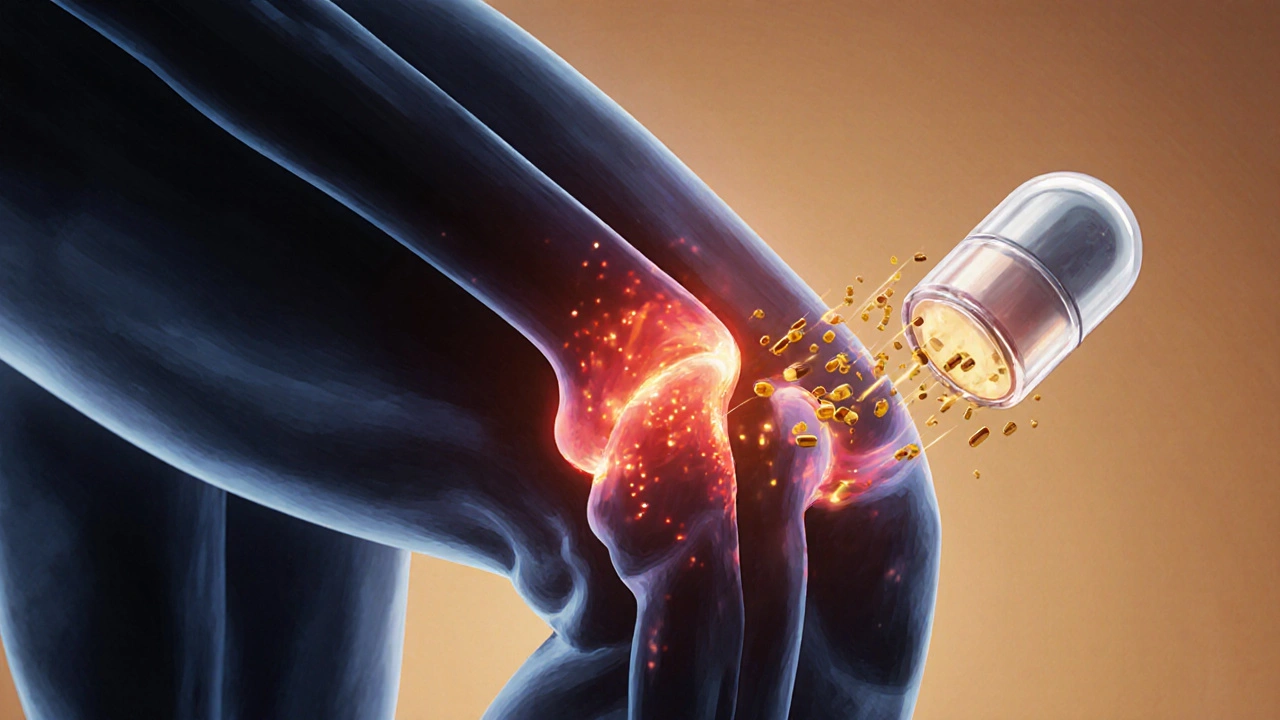
The Science Behind Etodolac: How It Reduces Inflammation and Relieves Pain
Etodolac is an NSAID that reduces inflammation and pain by selectively blocking COX-2 enzymes. Learn how it works, its benefits over other painkillers, side effects, and who should use it.
Read more