
NSAID: What They Are, How They Work, and What You Need to Know
When you reach for ibuprofen after a headache or naproxen for sore muscles, you’re using an NSAID, a nonsteroidal anti-inflammatory drug that reduces pain, swelling, and fever by blocking specific enzymes in the body. Also known as nonsteroidal anti-inflammatory drug, it’s one of the most widely used drug classes worldwide—found in both prescription and over-the-counter forms. But despite how common they are, most people don’t know how NSAIDs actually work or what they’re really doing inside their body.
NSAIDs target enzymes called COX-1 and COX-2, which trigger inflammation and pain signals. By slowing these down, they calm swelling and dull discomfort. But here’s the catch: COX-1 also protects your stomach lining. That’s why long-term use can lead to ulcers or internal bleeding—something studies have confirmed in over 100,000 patients annually. And it’s not just your stomach. NSAIDs can raise blood pressure, stress your kidneys, and even increase heart attack risk in some people. These aren’t harmless candies. They’re powerful chemicals with real trade-offs.
You’ll find NSAIDs in everything from aspirin to celecoxib. But not all are the same. Ibuprofen works fast and fades quickly—good for a sudden ache. Naproxen lasts longer, better for chronic pain like arthritis. Aspirin has its own twist: it thins blood, so it’s used for heart protection, not just pain. Each has different risks, different uses, and different people who should avoid them. If you’re on blood pressure meds, have kidney issues, or are over 65, you need to know which NSAID is safe for you—or if you should skip them entirely.
What’s interesting is how often NSAIDs show up in other treatment stories. You’ll see them mentioned alongside arthritis meds, muscle spasm treatments, and even in posts about how diet affects inflammation. They’re part of the background noise in pain management—but rarely the focus. That’s why this collection matters. These aren’t just random articles. They’re real-world examples of how NSAIDs fit into bigger health pictures: when they help, when they hurt, and when something else works better.
Below, you’ll find guides comparing NSAIDs to other pain relievers, breaking down side effects you might not know about, and showing how they interact with other drugs like blood pressure meds or antibiotics. Some posts even ask: are there safer ways to manage inflammation without pills? You’ll see what works for real people—not just theory, but experience.
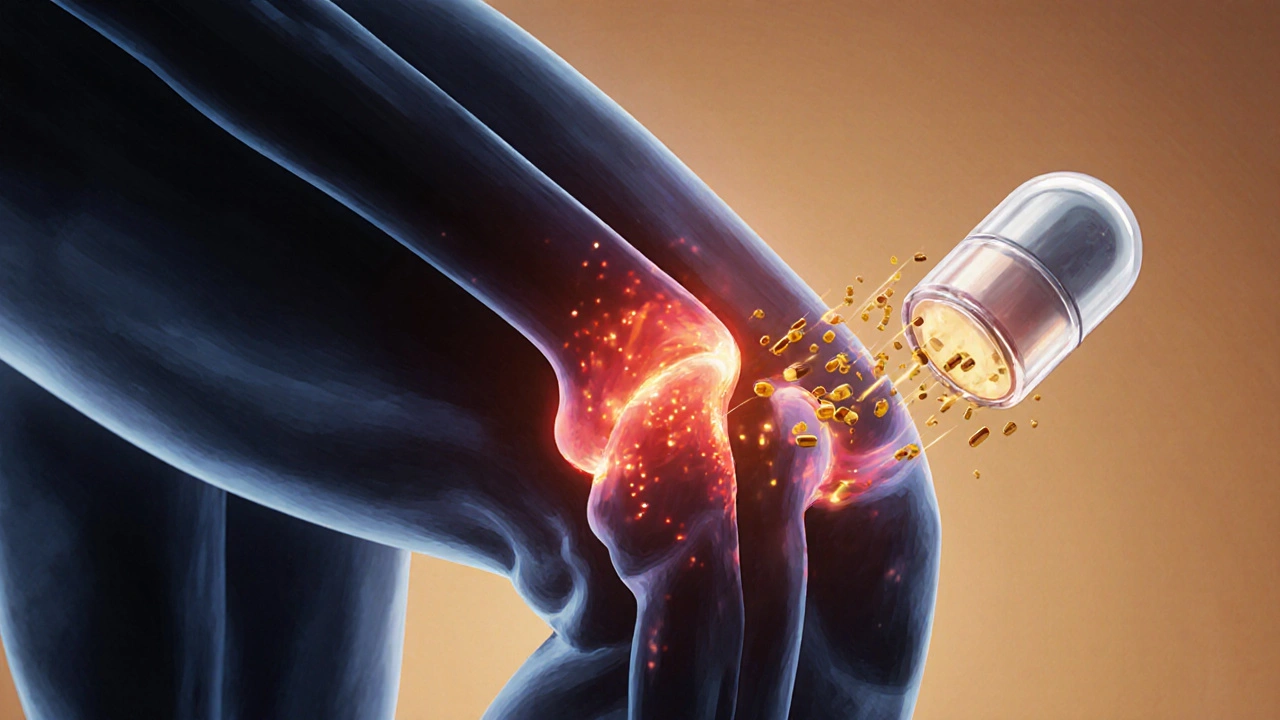
The Science Behind Etodolac: How It Reduces Inflammation and Relieves Pain
Etodolac is an NSAID that reduces inflammation and pain by selectively blocking COX-2 enzymes. Learn how it works, its benefits over other painkillers, side effects, and who should use it.
Read more