
Hypertensive Crisis: What It Is, How It Happens, and What to Do
When your blood pressure shoots up to dangerous levels—usually above 180/120 mm Hg—you’re facing a hypertensive crisis, a sudden, severe spike in blood pressure that can damage organs and requires urgent medical attention. Also known as a hypertensive emergency, it’s not just a number on a monitor—it’s a signal your body is under serious stress. This isn’t the same as having high blood pressure for months or years. A hypertensive crisis happens fast, often without warning, and can lead to stroke, heart attack, kidney failure, or even death if ignored.
What causes it? Sometimes it’s someone stopping their blood pressure meds cold turkey. Other times, it’s uncontrolled hypertension worsened by stress, drug use (like cocaine or amphetamines), kidney disease, or even certain over-the-counter cold medicines. People with existing heart or kidney problems are at higher risk. And here’s the thing: you might not feel anything until it’s too late. Some people get a bad headache, blurry vision, or chest pain. Others just feel off. That’s why checking your blood pressure regularly matters—even if you think you’re fine.
There’s a difference between a hypertensive emergency and hypertensive urgency. In an emergency, your organs are already being damaged—think brain swelling, heart strain, or kidney shutdown. In urgency, the numbers are sky-high but no organs are hurt yet. Both need treatment, but only emergencies require hospitalization and IV meds. Most people don’t realize this distinction, and that’s dangerous. If you’ve been told you have high blood pressure, know your numbers. Know your meds. Know what happens if you skip them.
You’ll find real stories and practical advice in the posts below—how certain drugs like telmisartan, an ARB used to lower blood pressure and protect the heart help manage long-term risk, why skipping doses can trigger a crisis, and how other medications like furosemide, a diuretic that reduces fluid overload and eases pressure on the heart are used in emergencies. You’ll also see how people manage their blood pressure after a scare, what to avoid, and how to spot early signs before it turns critical.
This isn’t about scare tactics. It’s about awareness. A hypertensive crisis can strike anyone—even someone who thinks they’re doing everything right. The posts here give you the facts you need to stay safe, recognize trouble fast, and work with your doctor to prevent the next one.
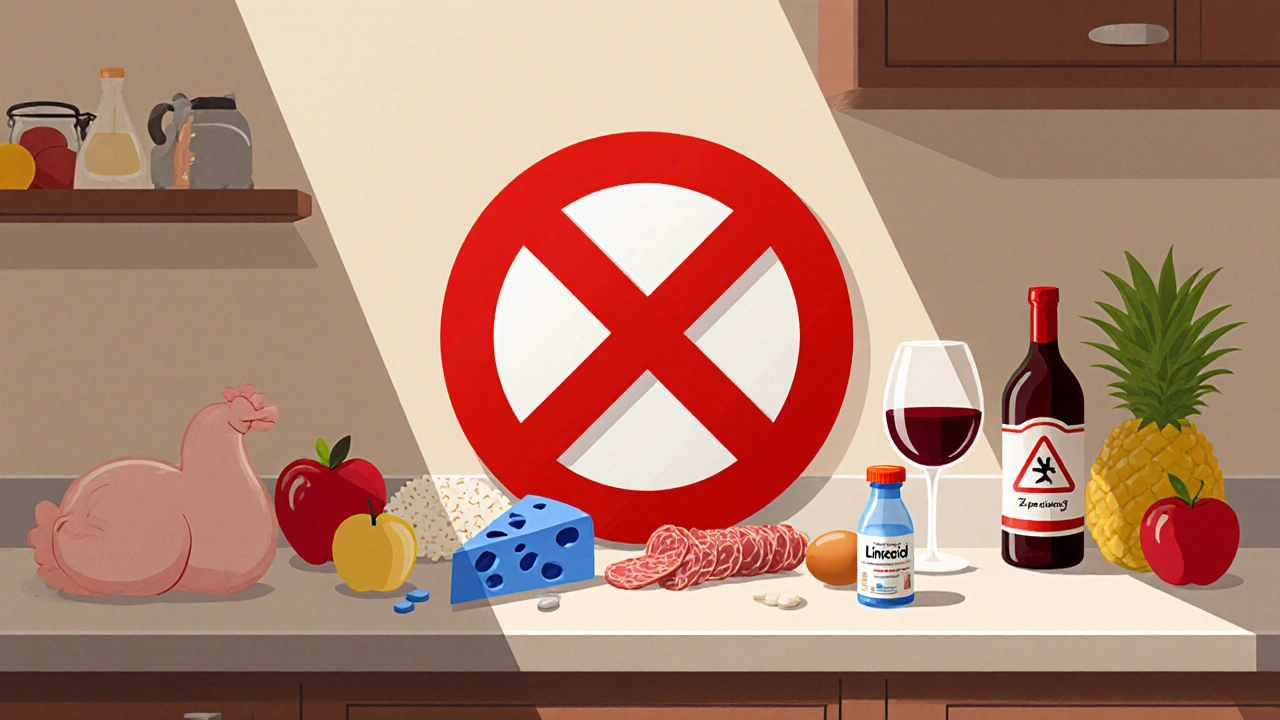
Linezolid and Tyramine: What You Must Eat (and Avoid) to Prevent Hypertensive Crisis
Linezolid can cause a dangerous spike in blood pressure if you eat tyramine-rich foods like aged cheese or red wine. Learn exactly what to avoid, what’s safe, and why you must wait 14 days after your last dose.
Read more